Introduction
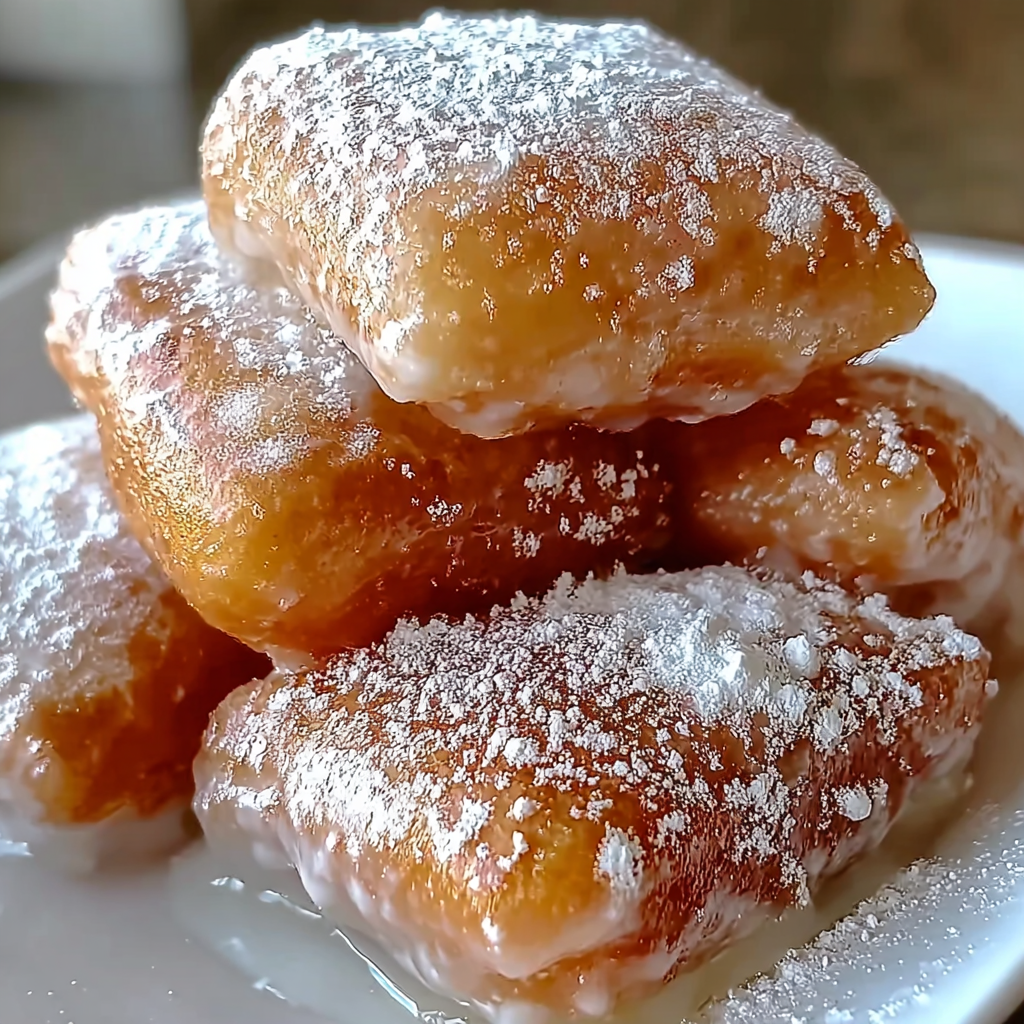
There's something truly enchanting about buttermilk beignets, those pillowy delights that are a staple of New Orleans cuisine. Whether enjoyed at a bustling café or served at home, these treats evoke a sense of comfort and indulgence. The unique texture, combined with a hint of sweetness, makes them irresistible during any time of day.
Buttermilk adds a subtle tang to the dough, resulting in a flavorful and moist bite. When they are dusted with powdered sugar and paired with your favorite coffee or tea, they become the perfect companion for leisurely mornings or joyful gatherings. With just a bit of time and care, you can achieve this heavenly result right in your kitchen.
Ingredients
- 2 cups all-purpose flour
The foundation of any beignet, all-purpose flour provides structure and stability. Its gluten content allows the dough to rise and creates the tender texture characteristic of these pastries. - 1/4 cup granulated sugar
Sugar helps to sweeten the dough, enhancing the flavor of the beignets. It also contributes to browning during frying, giving them a lovely golden color. - 1 tablespoon baking powder
A crucial leavening agent, baking powder helps the beignets puff up, making them light and airy when fried. It allows the dough to expand, ensuring a delightful texture. - 1/2 teaspoon salt
Salt enhances the overall flavor of the beignets and balances sweetness. It also strengthens the dough, giving it the necessary elasticity. - 1/2 cup buttermilk
Buttermilk adds moisture and a slight tang to the dough, contributing to its rich flavor. It interacts with the baking powder to produce a nice rise and fluffiness. - 1 large egg
The egg binds the ingredients together and adds richness to the dough. It also helps in achieving a beautiful golden-brown crust when fried. - 1 teaspoon pure vanilla extract
Vanilla extract imparts a warm, inviting aroma and flavor to the beignets, making them even more delightful. It complements the sweetness perfectly. - Vegetable oil for frying
Oil is essential for frying the beignets, providing the necessary heat to create a crispy outer layer while keeping the inside soft and fluffy. - Powdered sugar for dusting
Powdered sugar finishes the beignets beautifully, offering an inviting sweetness. It adds a decorative touch and balances the flavors, making them a true treat.
Directions & Preparation
Step 1: In a large mixing bowl, whisk together the flour, sugar, baking powder, and salt.
Starting with the dry ingredients sets a solid foundation for your dough. Whisking them together evenly distributes the leavening agent and sweetener, ensuring consistent flavor and rise. Take care to break down any lumps in the flour, as this will affect the final texture.
Step 2: In another bowl, combine buttermilk, egg, and vanilla extract.
Combining the wet ingredients beforehand allows the egg to emulsify, ensuring a smooth incorporation into the dry mix later. Buttermilk will react with the baking powder, so having this mixture ready is key to achieving fluffy beignets.
Step 3: Gradually add the wet mixture to the dry ingredients, stirring until just combined.
Mixing the wet and dry ingredients together gently prevents overworking the dough, which can make the beignets tough. Stir until you no longer see dry flour; a few lumps are perfectly fine.
Step 4: Cover the dough with plastic wrap and let it rest for about 30 minutes.
Allowing the dough to rest gives the gluten a chance to relax, making the dough easier to roll out later. This step is vital for ensuring that the beignets are tender and airy when fried.
Step 5: On a floured surface, roll out the dough to about 1/2 inch thick.
Rolling out the dough to the right thickness ensures even frying. A 1/2 inch thickness produces the ideal puffiness without compromising the cooking time. Dusting with flour prevents sticking and facilitates smooth cutting.
Step 6: Cut the dough into squares or rectangles, about 2 inches wide.
Cutting evenly-sized pieces will lead to uniform frying, ensuring that all beignets cook through and brown evenly. You can use a pizza cutter or a sharp knife for clean edges.
Step 7: Heat vegetable oil in a deep skillet or fryer to 350°F (175°C).
Maintaining the right oil temperature is crucial for achieving that perfect crispiness without overcooking. A thermometer is helpful here, as the oil can cool down quickly once the dough is added.
Step 8: Carefully drop the cut pieces of dough into the hot oil, a few at a time.
Adding too many at once can lower the oil temperature and lead to greasy, undercooked beignets. Frying in batches allows for better control and consistent results.
Step 9: Fry for about 2-3 minutes per side until golden brown, then transfer to paper towels to drain.
Watching for a rich golden-brown color is essential as it indicates the beignets are fully cooked. Draining on paper towels helps remove excess oil, creating a lighter final product.
Step 10: Dust with powdered sugar while still warm and serve immediately.
Dusting with powdered sugar while warm allows it to cling to the beignets, enhancing the sweetness. Serving them immediately ensures you experience their soft, warm texture at its best.

The Magic of Buttermilk in Baking
Buttermilk is often hailed for its magical qualities in baking, especially in recipes like beignets. It not only contributes a delightful tang that elevates flavor but also reacts with baking powder to create a tender crumb. This acidity in buttermilk breaks down gluten proteins, making the final product soft and tender, which is particularly important in fried pastries.
Perfecting the Fry: Temperature Matters
Frying beignets involves maintaining the right oil temperature, typically around 350°F (175°C). If the oil is too hot, the beignets may burn while remaining raw inside. Conversely, oil that is too cool can lead to oily, soggy results. Investing in a good thermometer and making adjustments as needed can ensure your beignets are light, crispy, and golden brown every time.
Variations to Explore
While traditional beignets are delightful, there is room for creativity. Consider adding spices like cinnamon or nutmeg to enhance the flavor. You could also incorporate citrus zest for a refreshing twist. For a decadent treat, try filling them with pastry cream or chocolate before frying. These variations allow you to personalize your beignets and surprise family and friends with different flavors.
FAQs
What should I do if my beignet dough is too thick?
If the dough feels too thick and difficult to roll, consider adding a tablespoon or two of buttermilk to loosen it. This will help achieve the ideal texture.
Can I scale this recipe for a larger batch?
Absolutely! You can easily double or triple the ingredients. Just remember to fry in batches to maintain the oil temperature and ensure even cooking.
Why did my beignets turn out too heavy?
Heavy beignets often result from overmixing the dough or frying at too low a temperature. Ensure you mix until just combined and monitor the oil temperature closely.
Is there a way to make beignets more or less sweet?
You can adjust the sugar in the dough to make them sweeter or less sweet according to your preference. However, make sure not to eliminate it entirely, as it helps with browning.
What oil is best for frying beignets?
Neutral oils like vegetable oil or canola oil are great choices for frying beignets. They have high smoke points, ensuring a crisp exterior without imparting unwanted flavors.
Can I use whole wheat flour instead of all-purpose flour?
You can substitute with whole wheat flour for a slightly denser beignet, though it may also alter the flavor and texture. Use a mix of both for a lighter result.
Conclusion
Making heavenly buttermilk beignets at home is a rewarding experience that brings joy to both the cook and those lucky enough to enjoy them. The combination of soft, airy interiors and a delightful sugary finish makes for an irresistible treat, perfect for any gathering or quiet indulgence.
With a bit of practice and care, you can master the art of frying these pastries and explore a world of flavors and variations. Whether sticking to the classic recipe or taking a creative approach, these beignets will surely transport you to a café in New Orleans, all from the comfort of your kitchen.
Recipe Card

Delightful Buttermilk Beignets to Savor at Home
Ingredients
- 2 cups all-purpose flour
- 1/4 cup granulated sugar
- 1 tablespoon baking powder
- 1/2 teaspoon salt
- 1/2 cup buttermilk
- 1 large egg
- 1 teaspoon pure vanilla extract
- Vegetable oil for frying
- Powdered sugar for dusting
Instructions
- In a large mixing bowl, whisk together the flour, sugar, baking powder, and salt.
- In another bowl, combine buttermilk, egg, and vanilla extract.
- Gradually add the wet mixture to the dry ingredients, stirring until just combined.
- Cover the dough with plastic wrap and let it rest for about 30 minutes.
- On a floured surface, roll out the dough to about 1/2 inch thick.
- Cut the dough into squares or rectangles, about 2 inches wide.
- Heat vegetable oil in a deep skillet or fryer to 350°F (175°C).
- Carefully drop the cut pieces of dough into the hot oil, a few at a time.
- Fry for about 2-3 minutes per side until golden brown, then transfer to paper towels to drain.
- Dust with powdered sugar while still warm and serve immediately.
Notes
Additional serving suggestions: pair with a crisp salad, garlic bread, or roasted seasonal vegetables for balance.
For make-ahead, prep components separately and assemble just before heating to preserve texture.
Taste and adjust with acid (lemon/vinegar) and salt right at the end to wake up flavors.