Introduction
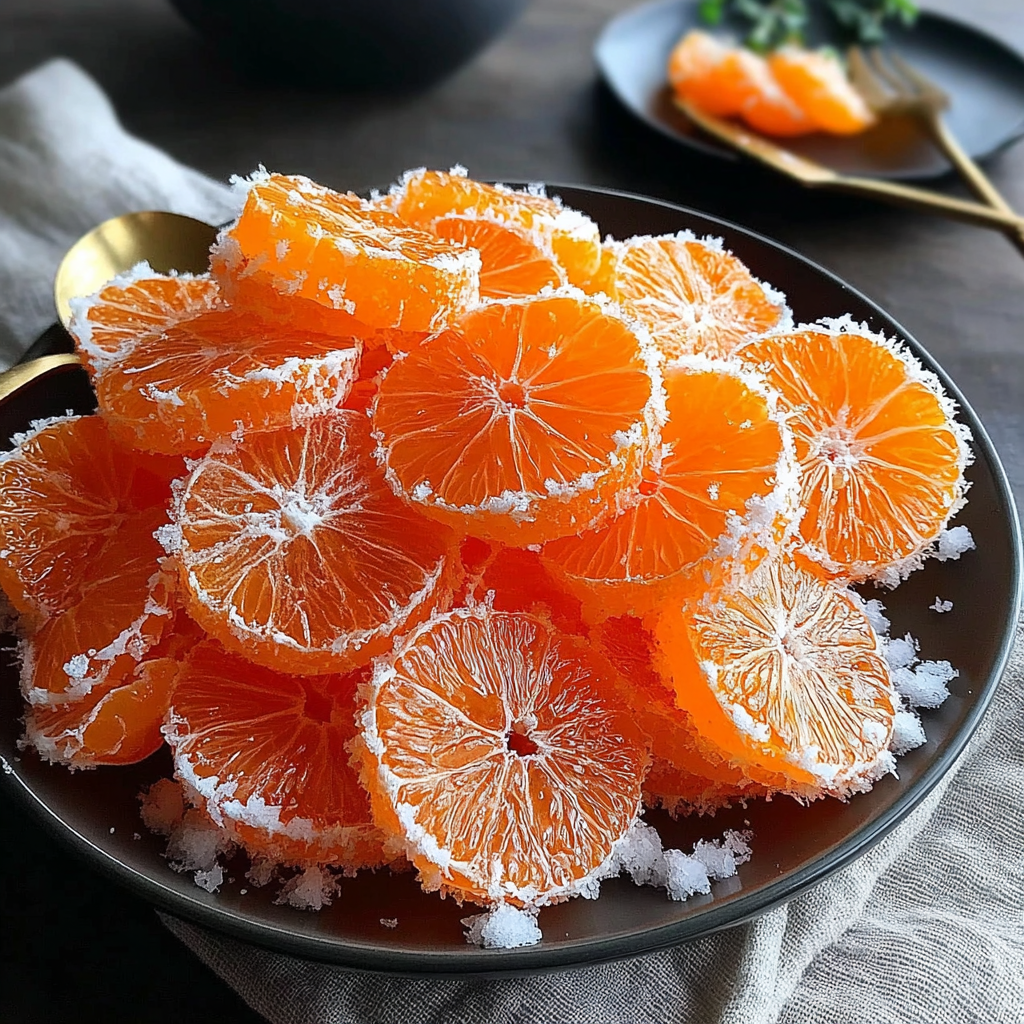
Homemade treats evoke nostalgia and bring a unique charm to your kitchen, and classic orange candy is no exception. With its bright flavor and vibrant color, this confection brings a burst of sunshine to any occasion. Whether shared with family or gifted to friends, it offers a delightful taste of citrus bliss.
Making your own orange candy can be both satisfying and impressive. The process allows you to control the ingredients and achieve the perfect balance of sweetness and tanginess. With just a handful of components, this candy can be a fun project for both novice and experienced cooks.
Ingredients
- 2 cups granulated sugar
Sugar is the main sweetening agent in this recipe, providing the necessary sweetness to balance the tartness of the orange. It also influences the texture of the candy, helping it achieve the desired chewy consistency. - 1 cup fresh orange juice
Freshly squeezed orange juice contributes the vibrant flavor and natural acidity that define this candy. The juice also carries essential oils from the zest, enhancing the overall citrus experience. - 1 tablespoon grated orange zest
The zest contains aromatic oils that intensify the orange flavor in the candy. It adds complexity and richness, making each bite a delightful explosion of citrus without adding any bitterness. - 1/4 teaspoon cream of tartar
Cream of tartar is used to stabilize the sugar syrup, helping to prevent crystallization. This ensures a smooth texture in the final candy and allows it to have a glossy finish. - 1/2 teaspoon vanilla extract
The addition of vanilla enhances the overall flavor profile, rounding out the candy's taste. It offers a gentle warmth that complements the bright citrus notes. - Powdered sugar for dusting
Powdered sugar prevents the orange candies from sticking together once set. It creates a light coating that enhances the appearance and texture, giving your finished pieces a professional touch.
Directions & Preparation
Step 1: Prepare the baking dish
Begin by preparing a baking dish by lining it with parchment paper. This step is crucial as it prevents the candy from sticking, ensuring easy removal once set. Remember to leave some overhang over the edges of the dish to help lift the candy out later.
Step 2: Combine sugar, cream of tartar, and juice
In a saucepan, mix the granulated sugar, cream of tartar, and fresh orange juice together. Stir until the sugar is thoroughly dissolved. This is an important stage as it helps to create a consistent mixture that will dissolve evenly during cooking, leading to a smoother candy.
Step 3: Cook the mixture
Place the saucepan over medium heat and bring the mixture to a boil without stirring. Allowing the mixture to boil undisturbed is essential for achieving the right consistency. Monitor the temperature with a candy thermometer, aiming for the soft ball stage (about 240°F).
Step 4: Add zest and vanilla
Once the sugar syrup reaches the soft ball stage, remove it from the heat and stir in the grated orange zest and vanilla extract. This infuses the syrup with aromatic flavors just before it cools, ensuring the candy is bursting with citrus notes.
Step 5: Pour into the prepared dish
Carefully pour the hot mixture into the lined baking dish, spreading it evenly. This step is vital as it shapes the thickness of your candy. Avoid stirring or disturbing the mixture as it begins to set, which can affect the texture.
Step 6: Let it cool
Allow the candy to cool at room temperature until it is set, which usually takes about 4–6 hours. Be patient; cooling too quickly or in a refrigerator can lead to an undesirable texture. Once cool, it should be firm but not rock hard.
Step 7: Cut and dust with powdered sugar
Once set, lift the candy out of the dish using the overhanging parchment paper. Cut it into desired shapes, then dust each piece with powdered sugar. This helps to prevent sticking and adds an appealing finish, making your homemade candy look as good as it tastes.

Perfecting the Orange Flavor
Getting the perfect orange flavor in your candy hinges on using the freshest ingredients. Opt for organic oranges if possible, as they often have more intense flavors and aromas. Squeeze the juice right before using it to maintain its freshness, and be generous with the zest for added depth.
Choosing the Right Consistency
The soft ball stage in candy making is essential for achieving the right chewy consistency. If the syrup is undercooked, your candy may be too soft, while overcooking leads to a hard, brittle texture. Invest in a good candy thermometer to monitor the temperature accurately and ensure success.
The Art of Dusting
Dusting your orange candy pieces with powdered sugar not only enhances their appearance but also improves their texture. It’s best to do this just before serving or packaging to maintain the candy’s freshness and prevent the sugar from dissolving into the candy.
FAQs
What if my candy turns out too thick?
If your candy is too thick, it may have been cooked past the soft ball stage. Next time, monitor the temperature more closely and remove it from heat as soon as it reaches around 240°F.
Can I make this candy with other citrus fruits?
Yes, you can substitute other citrus juices, such as lemon or lime, to create different flavored candies. Adjust the sugar levels if needed, depending on the sweetness of the fruit used.
What if the candy doesn't set properly?
If your candy doesn't set, it may have been undercooked. You can reheat the mixture, bringing it back to the soft ball stage, and then pour it into the dish again. Ensure to monitor the temperature closely this time.
Is it okay to use bottled orange juice?
While fresh orange juice is recommended for the best flavor, bottled juice can be used if fresh isn’t available. Just ensure you’re choosing a high-quality, pure juice without additives.
Why is my candy too sweet?
Candy sweetness is dependent on the ratio of sugar to juice. If you find it too sweet, consider reducing the sugar slightly next time or mixing the candy with a tangy coating or sprinkle to balance the flavors.
How do I know when the syrup is ready?
The syrup is ready when it reaches the soft ball stage around 240°F on a candy thermometer. You can test it by dropping a small amount into cold water; it should form a soft, malleable ball.
Conclusion
Creating classic homemade orange candy is not only a rewarding experience but also an excellent way to bring joy to others. With its vibrant flavor and delightful texture, this treat will surely impress anyone who tries it.
Enjoy sharing your candy with family and friends or savoring it for yourself as a sweet indulgence. The process, though requiring precision, ultimately brings you closer to the satisfying joy of homemade confections.
Recipe Card
Delightful Classic Homemade Orange Candy Recipe
Ingredients
- 2 cups granulated sugar
- 1 cup fresh orange juice
- 1 tablespoon grated orange zest
- 1/4 teaspoon cream of tartar
- 1/2 teaspoon vanilla extract
- Powdered sugar for dusting
Instructions
- Prepare the baking dish
- Combine sugar, cream of tartar, and juice
- Cook the mixture
- Add zest and vanilla
- Pour into the prepared dish
- Let it cool
- Cut and dust with powdered sugar
Notes
Additional serving suggestions: pair with a crisp salad, garlic bread, or roasted seasonal vegetables for balance.
For make-ahead, prep components separately and assemble just before heating to preserve texture.
Taste and adjust with acid (lemon/vinegar) and salt right at the end to wake up flavors.