Introduction
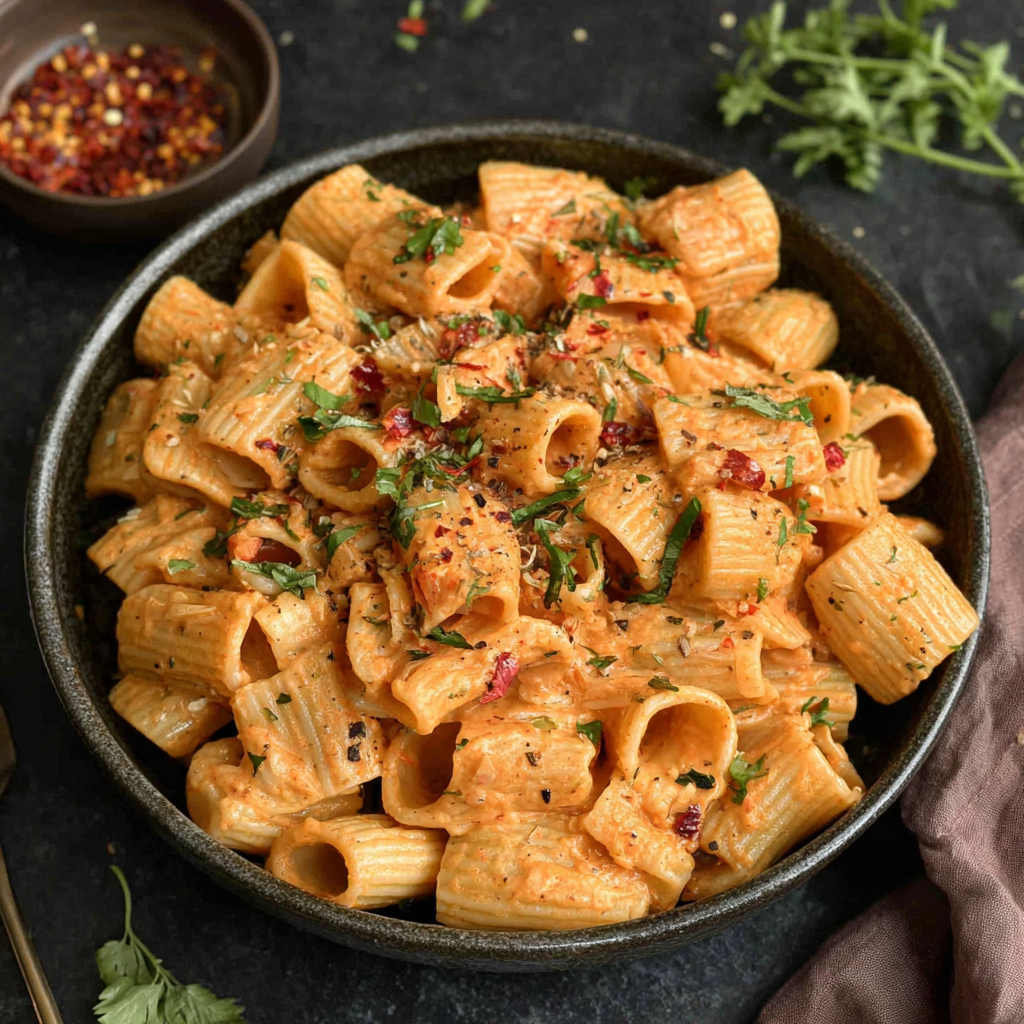
Gochujang pasta is a vibrant fusion dish that combines the rich, spicy depth of Korean gochujang with the comforting elements of traditional pasta. This unexpected pairing elevates a simple meal into something adventurous and exciting, allowing you to explore new flavors without straying too far from home-cooked comfort.
The unique sweetness and heat of gochujang add a delightful kick to the dish, making it perfect for those who crave something out of the ordinary. It’s an easy meal to prepare on a weeknight yet impressive enough for gatherings with friends or family.
With just a handful of ingredients, this recipe showcases the versatility of gochujang, a staple in many Asian kitchens. By embracing this ingredient, you can create a dish that marries the best of both world cuisines. So let’s dive into the ingredients and the preparation for this delectable gochujang pasta.
Ingredients
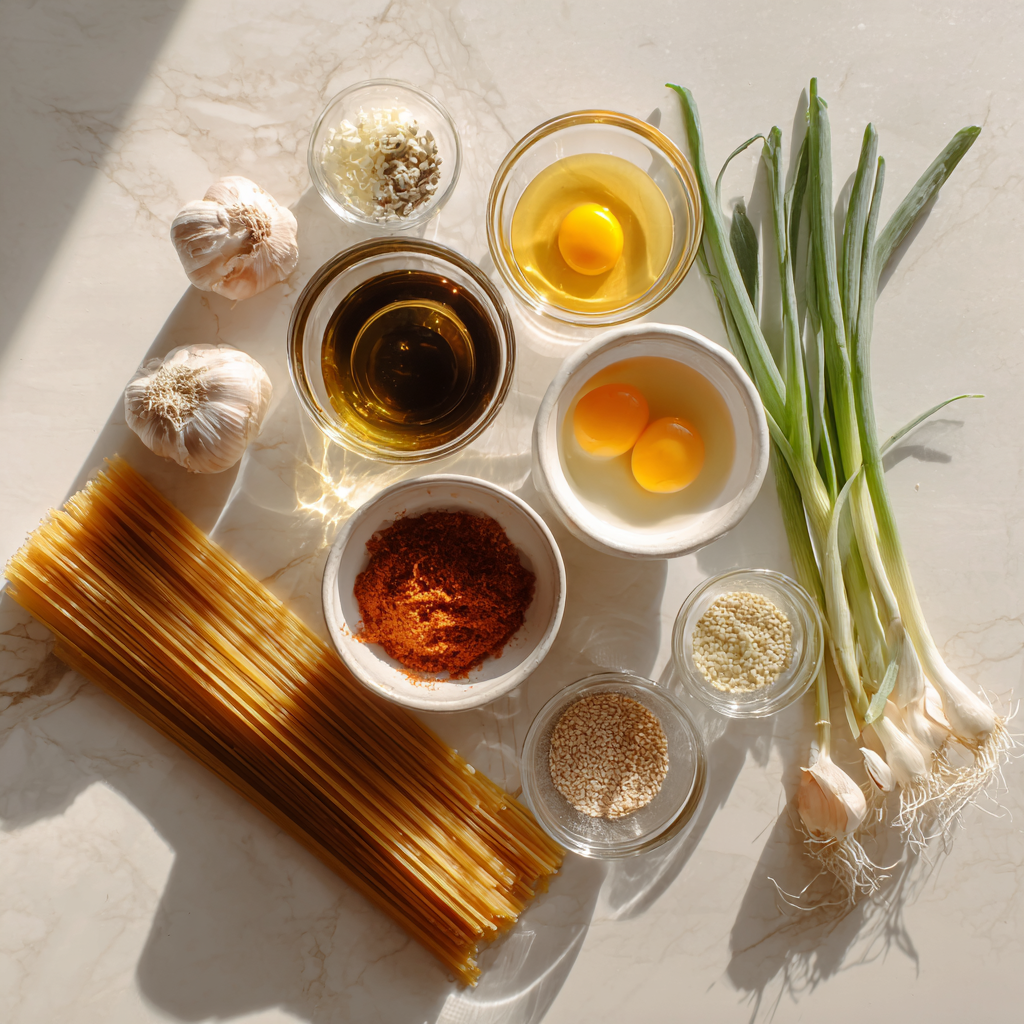
- 300g pasta of choice, uncooked
The base of the dish, pasta offers delicious texture and substance. Your choice of pasta, whether spaghetti, penne, or fettuccine, will impact the final presentation and mouthfeel. - 2 tablespoons gochujang
This Korean red chili paste provides the primary flavor, combining sweetness and spice. Its rich umami quality enhances the dish, making simply good pasta into something extraordinary. - 2 tablespoons soy sauce
Soy sauce brings a salty depth that balances the sweetness of the gochujang. It rounds out the flavors of the dish and complements the pasta perfectly. - 1 tablespoon sesame oil
Sesame oil adds a nutty aroma and flavor that completes the profile of the dish. It also enhances the overall richness without overpowering the other ingredients. - 3 cloves garlic, minced
Garlic infuses the dish with savory notes, enhancing the flavor base. It also adds an aromatic quality that makes the kitchen smell inviting. - 1 small onion, diced
Onion serves as a fundamental aromatics layer, providing sweetness and richness when sautéed. It creates a more complex flavor foundation for the pasta. - 1 bell pepper, sliced
Bell pepper adds color, crunch, and a subtle sweetness, enhancing the dish visually and texturally. It’s a great way to incorporate veggies and improve the nutritional value. - Fresh basil or cilantro for garnish
Fresh herbs brighten the dish up and add a burst of freshness, cutting through the rich flavors. They give the pasta an inviting finish and make it visually appealing. - Toasted sesame seeds for garnish
These provide a crunchy textural contrast and deepen the nutty flavor from the sesame oil. They also give the final presentation a polished touch.
Directions & Preparation
Step 1: Cook the pasta according to package instructions until al dente.
Cooking the pasta correctly is crucial for texture. Pasta that is overcooked can turn mushy and lose its bite, while undercooked pasta can be too hard. Aim for al dente, letting the pasta finish cooking when mixed with the sauce.
Step 2: Meanwhile, heat a large skillet over medium heat and add sesame oil.
Heating the skillet and oil before adding the aromatics ensures they cook evenly without burning. This step also primes the oil to infuse its flavor into the dish right from the start.
Step 3: Add the diced onion and minced garlic to the skillet, sautéing until translucent.
Sautéing the onion and garlic brings out their sweetness and aromatic qualities. Aim for just a light golden color, which means they are cooked perfectly, forming a flavor base for the entire dish.
Step 4: Incorporate the sliced bell pepper, continuing to sauté for about 3-4 minutes.
Adding the bell pepper now allows it to soften while still retaining some of its crunch. This adds a nice texture contrast to the final dish, while also incorporating more vegetables.
Step 5: Stir in the gochujang and soy sauce, mixing thoroughly to coat the vegetables.
This step is essential as it allows the gochujang to meld with the vegetables, creating a flavorful sauce that clings to the pasta. Ensure everything is well combined to maximize flavor distribution.
Step 6: Add the cooked pasta to the skillet and toss to combine it with the sauce.
This crucial step is where the pasta absorbs the sauce’s flavors. Tossing vigorously helps ensure that every noodle is coated, marrying the ingredients beautifully.
Step 7: Garnish with fresh herbs and toasted sesame seeds before serving.
Garnishing not only enhances the visual appeal but also contributes additional layers of flavor. Fresh herbs lighten the richness and inspire brighter notes while sesame seeds provide texture.
The Versatility of Gochujang
Gochujang is not only a fundamental ingredient in Korean cooking but also a fantastic addition to many Western cuisines. Its ability to enhance both sweet and savory dishes makes it incredibly versatile. From marinades to soups, using gochujang opens a world of flavors that can transform ordinary meals into extraordinary culinary experiences.
Elevating Leftover Pasta
This recipe is also an excellent opportunity to revamp leftover pasta. Instead of reheating plain noodles, toss them in this gochujang sauce for a quick transformation. The rich flavors and creamy texture will breathe new life into yesterday’s meal, making it feel fresh and exciting.
Pairing the Dish
Gochujang pasta pairs beautifully with a light salad or some pickled vegetables, creating a balanced meal. Consider serving with a crisp cucumber salad or kimchi, which complements the spice with acidity and crunch. A chilled glass of white wine or a light beer also makes for a delightful pairing.
FAQs
Can I adjust the spiciness of the gochujang pasta?
Yes, you can adjust the quantity of gochujang to suit your taste. Start with a smaller amount and increase as desired.
What if my sauce is too thick?
If your sauce turns out too thick, consider adding a tablespoon of water or broth to loosen it. Stir well to achieve your desired consistency.
How do I create a balanced flavor if it tastes too bold?
If the flavors are too intense, try adding a splash of lime juice or a pinch of sugar to balance the heat and richness.
Can I use a different type of pasta with this recipe?
Absolutely! This sauce works well with any pasta shape, including gluten-free options like rice or quinoa pasta.
What can I do with leftover gochujang sauce?
Leftover sauce can be stored in the refrigerator for up to a week. Consider using it as a dipping sauce or marinade for grilled proteins.
How can I incorporate more vegetables into the dish?
Feel free to add any vegetables you enjoy, such as broccoli or snap peas, during the sautéing step to enhance nutrition and color.
Conclusion
Gochujang pasta is a delightful way to introduce bold flavors into your weeknight dinners. Its simplicity allows for customization, making it a meal that can grow with your tastes and preferences.
Whether you’re a seasoned chef or a home cook just starting, this dish promises satisfaction with its harmony of heat and umami. Enjoy crafting this fusion creation in your kitchen!
Recipe Card

Delightful Christmas Hot Chocolate Toast Recipe
Ingredients
- 4 thick slices of brioche bread
- 1 cup milk
- 1/2 cup heavy cream
- 3 tablespoons cocoa powder
- 1/4 cup sugar
- 1/2 teaspoon vanilla extract
- Pinch of salt
- Marshmallows and whipped cream for topping
Instructions
- Prepare the hot chocolate mixture.
- Heat until warm and chocolate is fully combined.
- Toast the brioche slices.
- Assemble the hot chocolate toast.
- Add toppings and serve immediately.
Notes
Additional serving suggestions: pair with a crisp salad, garlic bread, or roasted seasonal vegetables for balance.
For make-ahead, prep components separately and assemble just before heating to preserve texture.
Taste and adjust with acid (lemon/vinegar) and salt right at the end to wake up flavors.