Introduction
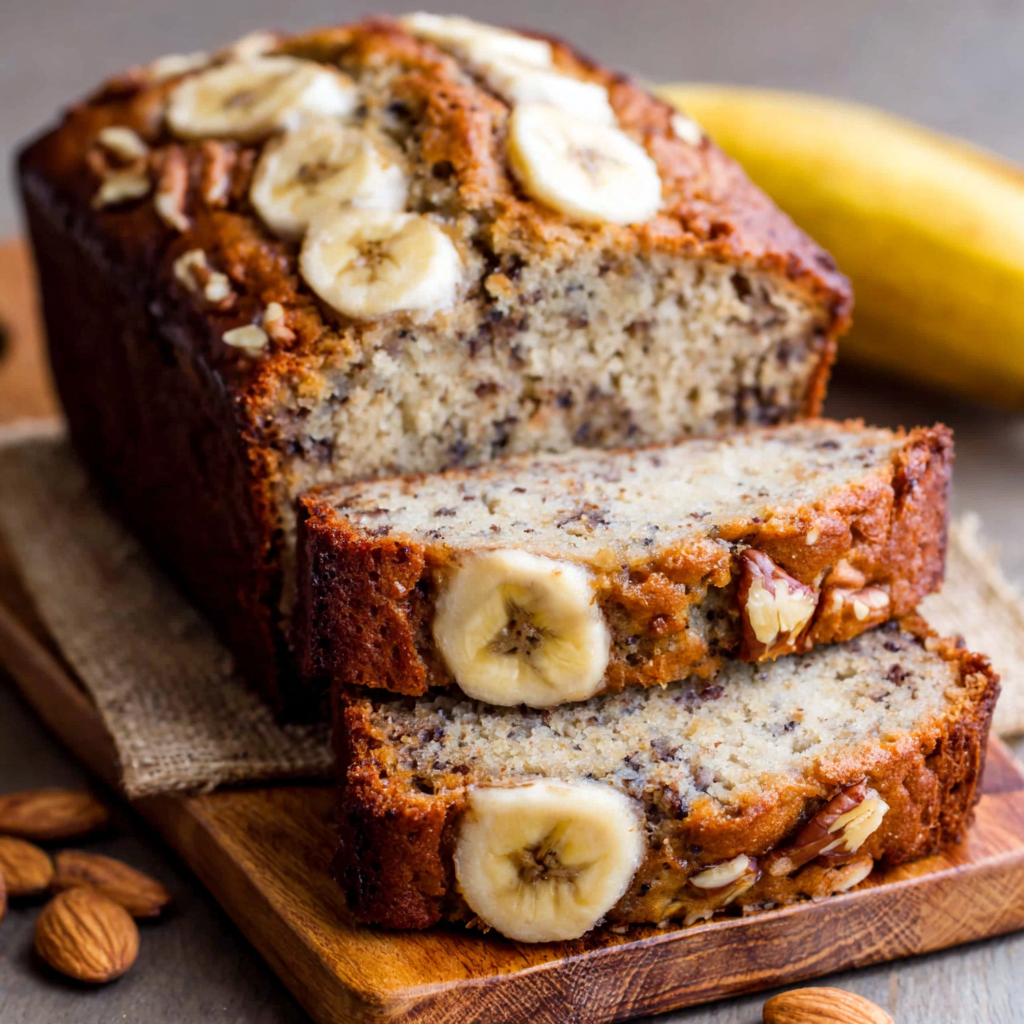
There’s something undeniably comforting about the aroma of fresh banana bread wafting through the kitchen. This incredibly moist banana bread recipe takes rustic to a whole new level, transforming overripe bananas into a soft, tender loaf that just begs to be sliced.
Whether you enjoy it plain or slathered with butter, this banana bread is perfect for breakfast, as an afternoon snack, or even as a simple dessert. Not only does this recipe yield a delightfully moist texture, but it strikes a perfect balance between sweet and savory, making it a beloved treat for all.
Ingredients
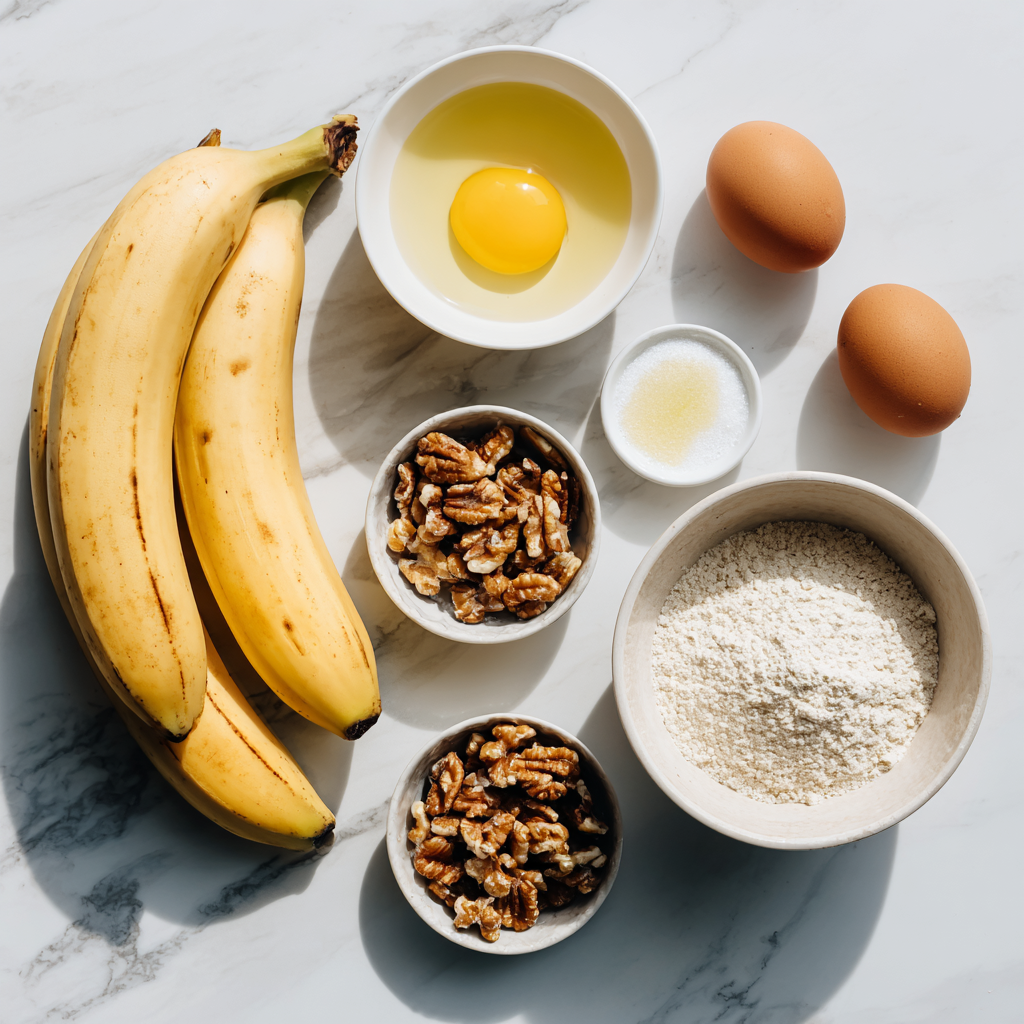
- 3 ripe bananas
The star of the show, ripe bananas not only add natural sweetness but also contribute to the moistness of the bread, binding the ingredients together. - 1/3 cup melted butter
Butter adds richness and flavor, making the bread tender and enhancing the overall taste profile. The melting process helps integrate it smoothly into the batter. - 1 teaspoon baking soda
This leavening agent provides the rise needed for the bread, helping it become fluffy and light. It also contributes to a slight tangy flavor. - Pinch of salt
Salt enhances the sweetness of the bananas and balances the flavors, preventing the bread from tasting overly sweet. - 3/4 cup sugar
Sugar not only sweetens the bread but also assists in creating a golden crust. You can adjust the amount based on your sweetness preference. - 1 large egg
Eggs provide structure to the bread, helping it rise and keeping it moist. They also add richness and a slight binding effect. - 1 teaspoon vanilla extract
Vanilla enhances the overall flavor profile. It adds a subtle aromatic richness that complements the banana beautifully. - 1 cup all-purpose flour
Flour forms the structure of the bread and absorbs moisture. Its protein content is crucial for creating the perfect crumb. - Optional: 1/2 cup chopped walnuts or pecans
Nuts add a delightful crunch and richness, enhancing the texture and flavor of the bread. They offer a tasty contrast to the soft bananas.
Directions & Preparation
Step 1: Preheat your oven to 350°F (175°C).
Preheating ensures that the bread bakes evenly, helping it rise properly. An adequately heated oven will give the loaf a nice crust while maintaining a moist interior.
Step 2: In a mixing bowl, mash the ripe bananas until smooth.
Mashing the bananas breaks them down, ensuring they integrate well into the batter. The more ripe the bananas, the sweeter and more flavorful your banana bread will be.
Step 3: Stir in the melted butter into the mashed bananas until blended.
Adding butter to the bananas while they are still warm helps to melt any remaining solid bits and ensures a smoother incorporation into the batter.
Step 4: Mix in the baking soda and salt.
Incorporating baking soda and salt at this stage helps ensure that they are evenly distributed throughout the wet mixture, which is key for a consistent rise.
Step 5: Stir in the sugar, egg, and vanilla extract until well combined.
Combining these ingredients introduces air into the batter, producing a lighter texture in the finished bread. Make sure to mix until just combined to avoid overworking the batter.
Step 6: Add the flour and mix until just incorporated.
Overmixing can lead to tough bread. It’s essential to stop mixing as soon as the flour is incorporated, which preserves the tender nature of the loaf.
Step 7: Fold in the chopped walnuts or pecans if using.
Folding in the nuts at the end ensures they retain their crunch without breaking down. This added texture enhances the sensory experience of the banana bread.
Step 8: Pour the batter into a greased loaf pan.
Greasing prevents the bread from sticking to the pan, allowing for an easy release. You can also line with parchment paper for added ease.
Step 9: Bake in the preheated oven for 60-65 minutes.
Baking for the right amount of time is crucial to achieve a perfect crumb. Begin checking for doneness around 55 minutes, inserting a toothpick into the center; it should come out clean.
Step 10: Let the banana bread cool in the pan for about 10 minutes before transferring.
Cooling in the pan briefly helps the bread set and gives it a chance to slightly pull away from the sides. Letting it cool completely on a wire rack ensures no soggy bottoms.
The Role of Ripe Bananas in Moisture and Flavor
Ripe bananas are essential in achieving the moist texture that defines delicious banana bread. As they break down, they release natural sugars and incredible flavors that enhance every bite. Opt for bananas with plenty of brown spots, indicating peak ripeness, for maximum sweetness and moisture.
Balancing Sweetness with Salt and Sugar
Sweetness is a significant component of banana bread, but balance is key. A pinch of salt brings out the bananas’ natural flavor while counteracting excess sweetness. The right amount of sugar contributes to the desired sweetness while promoting a caramelized crust.
Experimenting with Add-ins for Variety
While this recipe is delightful as is, consider adding extras to tailor it to your tastes. Options like chocolate chips, coconut flakes, or dried fruit can lend a unique twist. These additions allow for creativity and personalization, ensuring the banana bread is as unique as the cook.
FAQs
What if my banana bread is too dense?
If your banana bread turns out dense, consider whether you overmixed the batter, which can lead to a heavier texture. You can also check your flour measurement as too much can also contribute to density.
Can I reduce the sugar in this recipe?
Yes, you can reduce the sugar slightly without affecting the recipe’s texture too much. However, keep in mind that it may alter sweetness and flavor.
How can I ensure my banana bread isn’t undercooked in the center?
If you’re concerned about the bread being undercooked, check for doneness at the 55-minute mark. If the top is browning too quickly, cover it with foil to allow the center to bake thoroughly.
What can I do with overripe bananas if I don’t want to make bread?
If you have overripe bananas but aren’t in the mood to bake, try freezing them for smoothies or pancakes. They can also be used in oatmeal or as a natural sweetener in other recipes.
Can I use whole wheat flour in this recipe?
You can substitute whole wheat flour for all-purpose flour, but the texture may be denser. Consider mixing half all-purpose with half whole wheat flour for better results.
What happens if I forget to add the egg?
Omitting the egg will lead to a drier texture as eggs contribute moisture and structure. If you’ve forgotten it, try to mix it in at the end if possible to salvage the batter.
Conclusion
This incredible moist banana bread is sure to become a household favorite, perfect for breakfast or a sweet afternoon treat. The combination of sweet bananas and rich butter creates a delightful experience that captures the essence of comfort food.
With its straightforward ingredients and various options for customization, this recipe invites creativity in the kitchen. Whether enjoyed warm out of the oven or toasted later, every slice is a simple yet extraordinary treat that’s hard to resist.
Recipe Card
Incredible Moist Banana Bread That Delights Every Bite
Ingredients
- 3 ripe bananas
- 1/3 cup melted butter
- 1 teaspoon baking soda
- Pinch of salt
- 3/4 cup sugar
- 1 large egg
- 1 teaspoon vanilla extract
- 1 cup all-purpose flour
- Optional: 1/2 cup chopped walnuts or pecans
Instructions
- Preheat your oven to 350°F (175°C).
- In a mixing bowl, mash the ripe bananas until smooth.
- Stir in the melted butter into the mashed bananas until blended.
- Mix in the baking soda and salt.
- Stir in the sugar, egg, and vanilla extract until well combined.
- Add the flour and mix until just incorporated.
- Fold in the chopped walnuts or pecans if using.
- Pour the batter into a greased loaf pan.
- Bake in the preheated oven for 60-65 minutes.
- Let the banana bread cool in the pan for about 10 minutes before transferring.
Notes
Additional serving suggestions: pair with a crisp salad, garlic bread, or roasted seasonal vegetables for balance.
For make-ahead, prep components separately and assemble just before heating to preserve texture.
Taste and adjust with acid (lemon/vinegar) and salt right at the end to wake up flavors.