Introduction
Turkey has long been the centerpiece of festive occasions, but the allure of a perfectly cooked turkey transcends special events. With its rich flavor and the ability to absorb seasonings beautifully, turkey stands ready to be a canvas for your culinary creativity.
In this article, we will explore a turkey recipe that captivates your taste buds while keeping the preparation straightforward. From marinating to roasting, every step ensures a juicy, tender turkey that will have your family and friends raving for more.
Ingredients
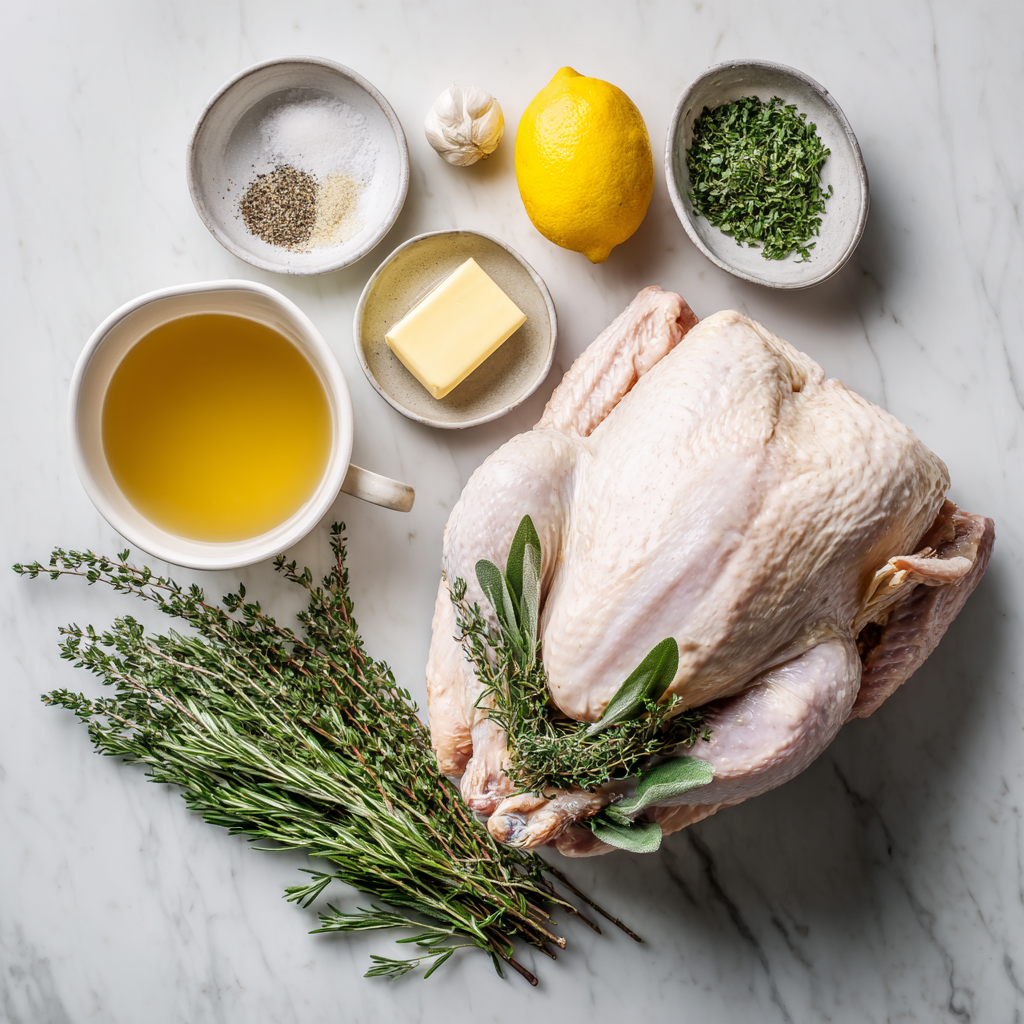
- 1 whole turkey (12-14 lbs)
A whole turkey serves as the centerpiece of this recipe, providing rich flavors and juicy meat. Choosing a quality turkey ensures a tender texture and robust taste. - 1/2 cup unsalted butter
Butter adds richness and moisture to the turkey. Its fats help create a golden-brown skin while keeping the meat succulent. - 1 tablespoon salt
Salt is essential for enhancing the natural flavors of the turkey. It also helps in tenderizing the meat through the brining process. - 1 tablespoon black pepper
Black pepper brings a gentle heat and depth of flavor to the turkey. It pairs wonderfully with other seasonings for a balanced taste profile. - 2 tablespoons fresh thyme leaves
Thyme adds a fragrant, earthy note that complements the turkey exceedingly well. Fresh herbs lend a bright freshness to each bite. - 2 tablespoons fresh rosemary, chopped
Rosemary introduces an aromatic essence that elevates the flavor of the turkey. Its distinct taste pairs well with savory dishes. - 1 lemon, zested and juiced
Lemon zest and juice provide brightness and acidity, balancing the rich flavors of the turkey. The citrus flavor helps to keep the dish lively. - 4 cups low-sodium chicken broth
Chicken broth adds moisture during the roasting process, helping to keep the turkey tender and flavorful. Using low-sodium broth prevents overwhelming the dish with salt.
Directions & Preparation
Step 1: Thaw the turkey in the refrigerator for 3-4 days.
Thawing the turkey correctly ensures even cooking and food safety. A slow thaw in the refrigerator allows the meat’s texture to stay intact, preventing dryness during roasting.
Step 2: Prepare the herb butter by mixing softened butter with salt, pepper, thyme, rosemary, lemon zest, and juice in a bowl.
Creating a herb butter mix infuses the turkey with moisture and flavor. As it melts during cooking, it seeps into the meat, enhancing taste with every bite while creating a crispy skin.
Step 3: Pat the turkey dry with paper towels and season the cavity with salt and pepper.
Drying the turkey ensures a crispy skin by preventing steam from getting trapped. Seasoning the cavity allows for flavor penetration deep into the meat, enhancing the overall taste.
Step 4: Loosen the skin from the turkey breasts and thighs carefully with your fingers.
Loosening the skin creates space for the herb butter, allowing it to melt directly onto the meat while cooking. This technique contributes to a moist, flavorful turkey with a golden exterior.
Step 5: Spread the herb butter mixture under the skin and over the turkey’s surface.
Applying the herb butter under the skin ensures it runs down to the meat, which keeps it juicy and flavorful. A generous covering will also help in browning the skin beautifully.
Step 6: Place the turkey in a roasting pan and pour chicken broth into the bottom of the pan.
A roasting pan helps catch drippings that can be used for gravy, while broth maintains moisture in the oven. Keeping the turkey elevated helps achieve an even roast.
Step 7: Roast the turkey in a preheated oven at 350°F until the internal temperature reaches 165°F.
Roasting at the right temperature ensures that the turkey cooks evenly, while monitoring the internal temperature prevents under or overcooking. A meat thermometer is a kitchen essential for this step.
Step 8: Baste the turkey every 30 minutes with the pan juices.
Basting keeps the turkey moist and enhances the flavor by redistributing the drippings, which also promotes a golden-brown skin. Avoid opening the oven too often to maintain consistent temperature.
Step 9: Let the turkey rest for at least 20 minutes before carving.
Resting allows the juices to redistribute throughout the meat, ensuring a juicy final result. Carving too soon will lead to dry slices as the juices will run out.
Elevating Flavor with Herbs and Citrus
The combination of fresh herbs like thyme and rosemary, paired with the brightness of lemon, transforms the humble turkey into a flavorful dish that excites the palate. This flavor infusion not only complements the meat but also allows the aromatic notes to fill your kitchen as it roasts, creating an inviting atmosphere for your gathering.
Basting: The Secret to Juicy Turkey
Basting the turkey throughout the roasting process is a vital technique that keeps the meat moist and enhances the flavor. With each baste, the drippings coat the skin, creating a deliciously crispy exterior while ensuring that the inner meat remains tender. This practice is one of the keys to achieving a turkey worthy of Thanksgiving praise.
The Importance of Resting Your Turkey
Resting your turkey after roasting is crucial for achieving a juicy and tender result. Allowing the turkey to rest enables the meat fibers to relax and the juices to redistribute, maximizing flavor and moisture. This simple step can make the difference between a dry slice and a mouthwatering serving.
FAQs
What if my turkey doesn’t reach the correct internal temperature?
If your turkey hasn’t reached 165°F after the designated cooking time, continue roasting and check every 20 minutes. An accurate meat thermometer is your best tool.
Can I use a different type of fat instead of butter?
Yes, you can substitute olive oil or ghee for butter. Each will impart a unique flavor while keeping the turkey moist.
What should I do if the skin isn’t browning?
If the skin isn’t browning as desired, raise the oven temperature to 375°F for the last 30 minutes. This will enhance color without overcooking the turkey.
How can I adjust the recipe if my turkey is larger than 14 lbs?
Increase the quantities of the butter, herbs, and seasonings proportionally and allow extra roasting time, approximately 15 minutes per additional pound.
What if my turkey is too salty?
If you find the turkey too salty, serve it with a side of plain mashed potatoes or a light salad to balance the flavors.
Can I add different herbs to the butter mixture?
Absolutely! Feel free to experiment with flavors like sage, parsley, or oregano in your herb butter for a unique twist.
Conclusion
Crafting a savory turkey dish at home not only enhances your culinary skills but also brings loved ones together around the dinner table. This recipe highlights the beauty of simple ingredients and techniques to achieve incredible flavor and tenderness.
With every tender slice, you’re sure to evoke smiles and satisfaction, making each gathering a memorable one. Enjoy the process and the connection that comes with sharing a well-prepared meal.
Recipe Card
Savory Turkey Recipe for Memorable Gatherings
Ingredients
- 1 whole turkey 12-14 lbs
- 1/2 cup unsalted butter
- 1 tablespoon salt
- 1 tablespoon black pepper
- 2 tablespoons fresh thyme leaves
- 2 tablespoons fresh rosemary chopped
- 1 lemon zested and juiced
- 4 cups low-sodium chicken broth
Instructions
- Thaw the turkey in the refrigerator for 3-4 days.
- Prepare the herb butter by mixing softened butter with salt, pepper, thyme, rosemary, lemon zest, and juice in a bowl.
- Pat the turkey dry with paper towels and season the cavity with salt and pepper.
- Loosen the skin from the turkey breasts and thighs carefully with your fingers.
- Spread the herb butter mixture under the skin and over the turkey’s surface.
- Place the turkey in a roasting pan and pour chicken broth into the bottom of the pan.
- Roast the turkey in a preheated oven at 350°F until the internal temperature reaches 165°F.
- Baste the turkey every 30 minutes with the pan juices.
- Let the turkey rest for at least 20 minutes before carving.
Notes
Additional serving suggestions: pair with a crisp salad, garlic bread, or roasted seasonal vegetables for balance.
For make-ahead, prep components separately and assemble just before heating to preserve texture.
Taste and adjust with acid (lemon/vinegar) and salt right at the end to wake up flavors.