Introduction
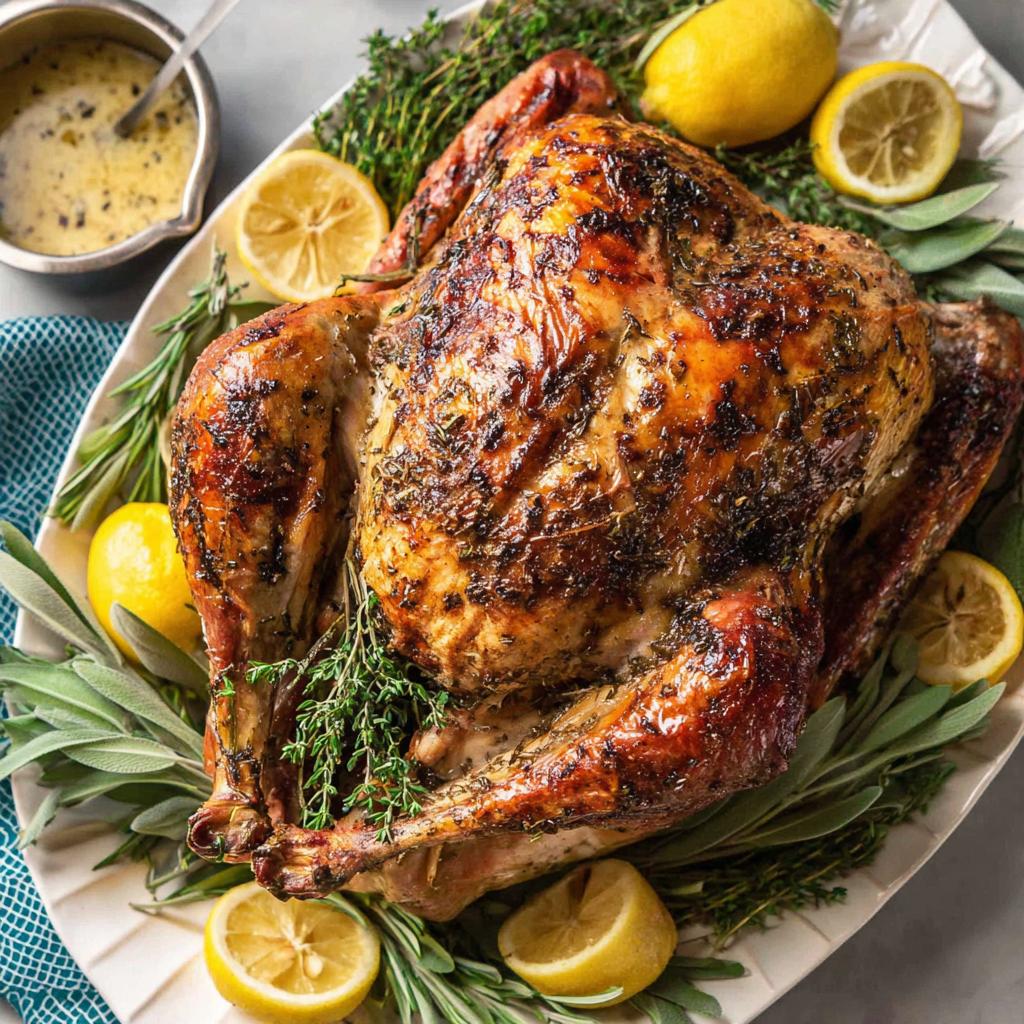
A roast turkey can be a centerpiece of any festive gathering, but many home cooks shy away from it, fearing the challenge it might pose. The truth is, with a little preparation and the right approach, you can create a beautifully roasted turkey that will impress your family and friends.
This easy roast turkey recipe emphasizes simplicity, flavor, and tenderness, ensuring that you can enjoy the process as much as the delicious results. Each step is designed to guide you through achieving that golden-brown skin and succulent meat that’s simply irresistible.
Ingredients
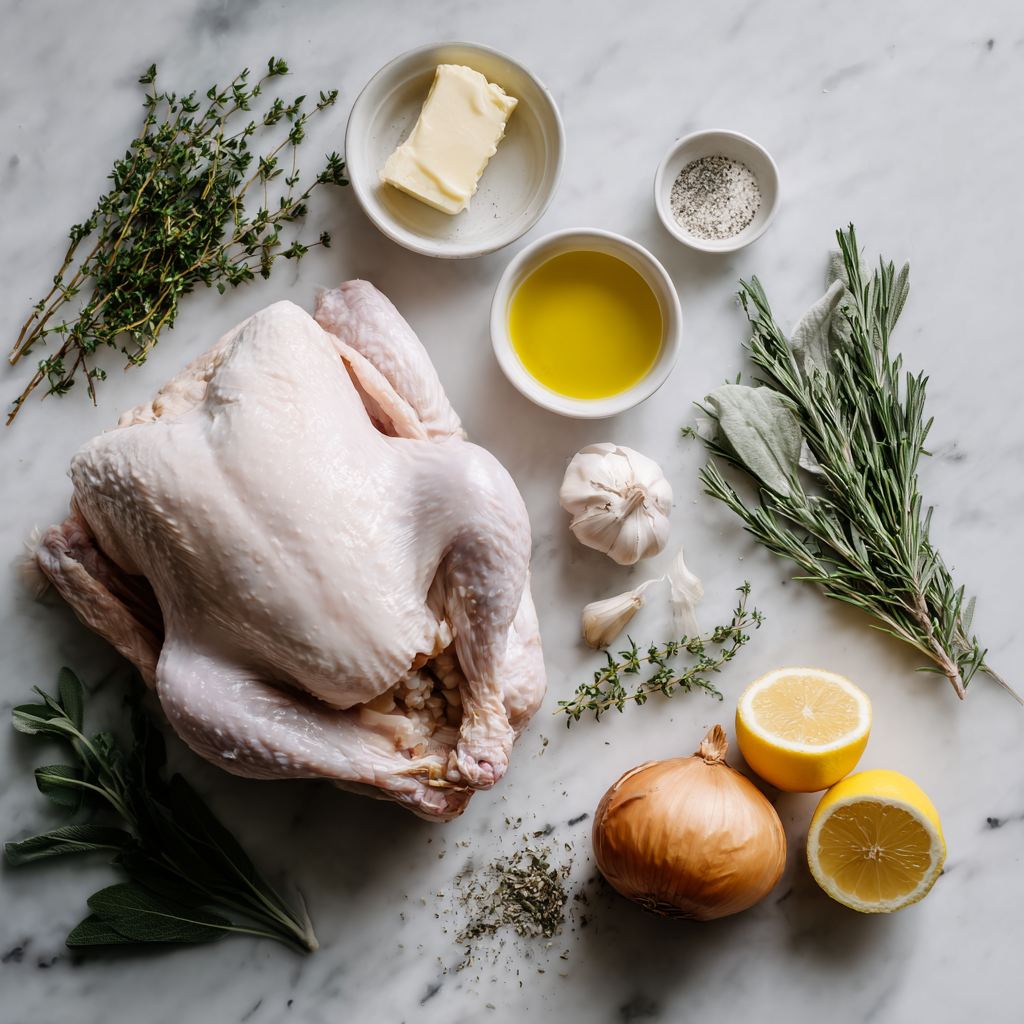
- 1 whole turkey (12-14 lbs)
A good quality turkey will ensure the best flavor and texture. Choose a fresh or thawed bird for optimal cooking results. - 2 tablespoons olive oil or melted butter
This adds richness and helps brown the skin beautifully, resulting in a deliciously crispy exterior. - 2 tablespoons kosher salt
Salting the turkey enhances flavor and helps to lock in moisture, which is vital for juicy meat. - 1 tablespoon ground black pepper
Pepper adds a layer of warmth and spice, complementing the natural flavors of the turkey. - 1 tablespoon garlic powder
This provides a subtle depth of flavor that rounds out the dish and enhances the turkey’s savory profile. - 1 tablespoon dried thyme
Thyme contributes an earthy, herbal note that pairs well with turkey and helps create a well-rounded flavor. - 1 onion, quartered
Onion helps aromatize the cavity, imparting sweetness and additional moisture during cooking. - 2-3 sprigs fresh rosemary
Fresh herbs like rosemary lend a fragrant aroma and bright flavor, making the turkey more aromatic and appealing. - 4 cups low-sodium chicken broth
Used to baste and keep the turkey moist while roasting, broth adds flavor and helps create a rich gravy.
Directions & Preparation
Step 1: Preheat the oven to 325°F (165°C).
Preheating the oven is critical to achieving even cooking. A consistent temperature helps ensure that the turkey cooks through without drying out the outside.
Step 2: Prepare the turkey by removing the giblets and neck from the cavity.
Taking out the giblets and neck is essential as they can hinder an even roast and later be used for making stock or gravy. Make sure the cavity is empty for better seasoning.
Step 3: Pat the turkey dry with paper towels.
Drying the turkey’s skin helps achieve that coveted crispy texture. Moisture on the surface will lead to steaming rather than roasting, so get it nice and dry.
Step 4: Rub the olive oil or melted butter over the entire surface of the turkey.
This step not only helps to brown the skin beautifully but also adds flavor and moisture. Ensure you cover every part, including under the wings and legs.
Step 5: Season the turkey generously with kosher salt, black pepper, garlic powder, and thyme.
Proper seasoning is key to a flavorful turkey. Salting the bird will penetrate the meat and enhance the taste, while the herbs add dimension.
Step 6: Stuff the cavity with onion and rosemary sprigs.
The aromatics in the cavity help infuse the meat with flavor. As the turkey cooks, they will release moisture and essence, enriching the overall taste.
Step 7: Place the turkey breast-side up on a rack in a roasting pan.
Using a rack elevates the turkey, allowing hot air to circulate for an even roast and preventing it from sitting in its own juices, which could lead to soggy skin.
Step 8: Pour 2 cups of chicken broth into the bottom of the roasting pan.
The broth provides a flavorful liquid for basting and helps maintain a moist environment as the turkey roasts, preventing it from drying out.
Step 9: Roast the turkey for about 2 to 3 hours, basting every 30 minutes with the pan juices.
Basting helps keep the turkey moist and promotes even cooking. It’s crucial to monitor the internal temperature, aiming for 165°F (74°C) at the thickest part.
Step 10: Check the turkey’s internal temperature using a meat thermometer.
Avoiding overcooking is vital for texture. Insert the thermometer into the thickest part of the thigh without touching the bone; it should read 165°F (74°C).
Step 11: Let the turkey rest for at least 20-30 minutes before carving.
Resting allows the juices to redistribute, ensuring that when you carve the turkey, it remains juicy and tender. It also helps finish cooking gently.
Crafting Flavorful Gravy from Drippings
After roasting, use the flavorful drippings from the bottom of the pan to create a rich gravy. Start by skimming off excess fat, then deglaze the pan with additional broth, scraping up any browned bits. Whisk in flour or cornstarch to thicken, taste, and adjust seasoning. This sauce enhances the turkey and adds a comforting element to your festive meal.
The Art of Turkey Carving
Carving your turkey correctly can enhance presentation and ensure all parts are served efficiently. Begin by removing the legs and thighs, followed by slicing the breast meat at an angle. Always carve against the grain for a tender bite. Presenting the carved turkey attractively on a platter can elevate your dining experience and impress your guests.
Leftover Transformations
Don’t let any part of your delicious roast turkey go to waste! Use leftovers in a plethora of dishes—create turkey sandwiches, flavorful soups, or casserole bakes. Shredded turkey can also be added to salads or tacos. Revamping leftovers keeps meals exciting and ensures you savor every bit of your efforts.
FAQs
What if my turkey is overcooked?
If your turkey is overcooked, slicing the meat thinly can help make it more palatable. Pair it with gravy or sauces to mask dryness.
My turkey skin didn’t crisp up. What went wrong?
If the skin is not crispy, it may have been too moist or not cooked at the right temperature. Ensure the turkey is dry before applying fats, and increase the heat in the final minutes if necessary.
Can I use a frozen turkey?
Yes, but you must ensure it’s completely thawed before cooking. A frozen turkey affects cooking time and can lead to uneven roasting.
Why is my turkey bland?
Blandness often comes from insufficient seasoning. Make sure to apply salt generously both inside and out to enhance the flavors.
Can I use other herbs for seasoning?
Certainly! Feel free to substitute herbs like sage or parsley, depending on your flavor preference. Just keep portions similar to maintain balance.
What size turkey should I choose for a gathering?
Plan for about 1 to 1.5 pounds of turkey per person for plenty of meat and leftovers, adjusting as needed based on your guest list.
Conclusion
Roasting a turkey may seem daunting, but with this easy approach, it can become a rewarding experience. Remember, the key is to focus on quality ingredients and proper techniques to achieve a delicious result that everyone will enjoy.
As you perfect your roast turkey skills, take pride in knowing that this dish brings people together, creating memories over shared meals. Happy roasting!
Recipe Card
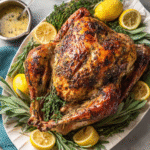
Simple Techniques for a Perfect Roast Turkey
Ingredients
- 1 whole turkey 12-14 lbs
- 2 tablespoons olive oil or melted butter
- 2 tablespoons kosher salt
- 1 tablespoon ground black pepper
- 1 tablespoon garlic powder
- 1 tablespoon dried thyme
- 1 onion quartered
- 2-3 sprigs fresh rosemary
- 4 cups low-sodium chicken broth
Instructions
- Preheat the oven to 325°F (165°C).
- Prepare the turkey by removing the giblets and neck from the cavity.
- Pat the turkey dry with paper towels.
- Rub the olive oil or melted butter over the entire surface of the turkey.
- Season the turkey generously with kosher salt, black pepper, garlic powder, and thyme.
- Stuff the cavity with onion and rosemary sprigs.
- Place the turkey breast-side up on a rack in a roasting pan.
- Pour 2 cups of chicken broth into the bottom of the roasting pan.
- Roast the turkey for about 2 to 3 hours, basting every 30 minutes with the pan juices.
- Check the turkey’s internal temperature using a meat thermometer.
- Let the turkey rest for at least 20-30 minutes before carving.
Notes
Additional serving suggestions: pair with a crisp salad, garlic bread, or roasted seasonal vegetables for balance.
For make-ahead, prep components separately and assemble just before heating to preserve texture.
Taste and adjust with acid (lemon/vinegar) and salt right at the end to wake up flavors.