Introduction
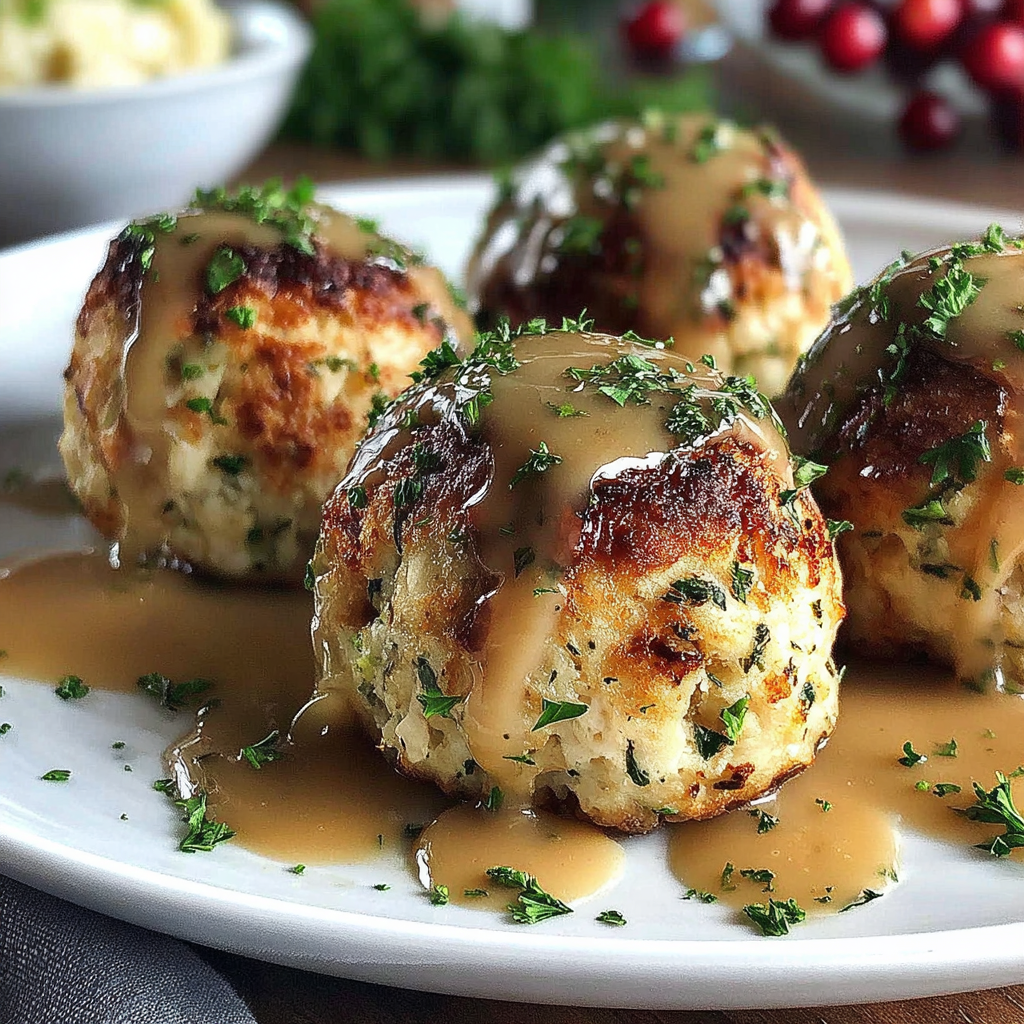
Stuffing muffins offer a delightful twist on traditional stuffing, transforming leftovers into a creative dish that’s both flavorful and fun. Perfectly portioned and easy to make, these savory bites pack all the beloved flavors of stuffing in a convenient muffin shape. They’re an excellent way to reinvigorate your holiday staples, making them ideal for gatherings or simply enjoying at home.
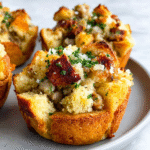
With a delightful texture that’s crispy on the outside and tender within, stuffing muffins can moonlight as appetizers or side dishes. The beauty lies in their versatility; you can mix and match ingredients to suit your palate. Whether you’re entertaining guests or preparing a cozy family meal, these muffin-style stuffings will elevate your dining experience.
Ingredients

- 4 cups stale bread, cubed
Using stale bread is key, as it absorbs the flavors of the broth and spices without becoming too mushy. Choose a mix of different breads for added texture and interest. - 1 cup chicken or vegetable broth
Broth adds moisture and infuses the muffins with rich flavor. Depending on your preference, vegetable broth can give a lighter taste, while chicken broth adds depth. - 1 cup celery, diced
Celery gives a pleasant crunch and fresh flavor that balances the richness of the other ingredients. It also enhances the texture of the muffins. - 1 cup onion, diced
Onion brings sweetness and depth to the mixture. When sautéed, it caramelizes slightly, enhancing its flavor and softness. - 2 large eggs
Eggs act as a binding agent, helping to hold the muffin mixture together. They also add moisture and richness to the final product. - 1 teaspoon dried sage
Sage is a quintessential herb for stuffing, imparting a warm, earthy flavor. It complements the bread and absorbs flavors from the broth beautifully. - 1 teaspoon dried thyme
Thyme provides a subtle floral note and pairs well with sage, enhancing the overall flavor profile. Its aromatic qualities are especially comforting. - Salt and pepper to taste
Seasoning is crucial, as it elevates the flavors of all ingredients. Always taste the mixture before baking to ensure it’s well-balanced.
Directions & Preparation
Step 1: Preheat the oven to 350°F (175°C).
Preheating the oven ensures that the muffins bake evenly and rise properly. An adequately heated oven encourages the exterior to crisp up nicely while keeping the inside tender and fluffy.
Step 2: In a large skillet, sauté the onion and celery until softened.
Sautéing helps to develop the flavors of the onion and celery through caramelization. This step releases their natural sweetness and improves the overall taste of the stuffing muffins.
Step 3: In a mixing bowl, combine the bread cubes with sautéed vegetables.
Mixing bread with the sautéed vegetables allows the cubes to absorb flavors while remaining dry enough to prevent sogginess. It is essential to toss them until well distributed for consistent flavor throughout.
Step 4: Add broth gradually, mixing until the bread is moist but not soggy.
Gradually adding broth allows better control over moisture absorption, reducing the risk of making the mixture too wet. The right consistency is crucial for achieving a muffin with the ideal texture.
Step 5: In a small bowl, beat the eggs and season with sage, thyme, salt, and pepper.
Beating the eggs with the seasonings creates a uniform mixture that ensures consistent flavor throughout the muffins. This step is fundamental in incorporating the herbs into the batter effectively.
Step 6: Fold the egg mixture into the bread mixture until well combined.
Gently folding prevents the bread pieces from breaking apart while ensuring that the eggs coat every piece evenly. This helps bind the mixture together for a cohesive muffin.
Step 7: Spoon the mixture into a greased muffin tin, filling each cup about three-quarters full.
Filling the cups three-quarters full allows space for the muffins to rise without overflowing. Proper greasing prevents sticking, ensuring a clean release once baked.
Step 8: Bake for 20-25 minutes, or until golden brown and crisp.
Baking until golden brown enhances not only the visual appeal but also the texture. The muffins should feel firm to the touch and have a slight crunch on the outside while remaining moist within.
Step 9: Let cool briefly before removing from the tin.
Allowing the muffins to cool for a few minutes helps set their shape and reduces the chance of breaking when removed. A careful release is crucial for preserving their structure.
Endless Variations for Every Palate
One of the joys of stuffing muffins is their adaptability. You can easily modify the mix-ins based on what you have on hand or your taste preferences. Consider adding cooked sausage for a meaty depth, or fold in fresh herbs like parsley for a bright profile. Even dried fruits can introduce a touch of sweetness that pairs beautifully with savory components. Let your creativity shine!
Perfect for Holiday Leftovers
As the holidays wind down, leftover stuffing can often feel like a burden. However, transforming it into muffins breathes new life into your staples. These muffins not only look appealing but also allow you to serve stuffing in a completely new format. It makes for an enticing addition to any meal, whether for brunch or dinner, maximizing your use of leftovers.
Serving Suggestions to Elevate Your Meal
Stuffing muffins can be served as appetizers or as part of a main course. Pair them with a tangy cranberry sauce for dipping, or complement them with a light salad to balance their heartiness. For gatherings, consider presenting them on a platter accompanied by various dips, allowing guests to enjoy a unique snacking experience. The combinations are endless!
FAQs
What if my muffin mixture is too dry?
If the mixture is too dry, gradually add more broth, a tablespoon at a time, until you achieve the desired consistency. The mixture should be moist but not soggy.
How do I ensure my muffins have a balanced flavor?
Taste the mixture before baking, adjusting seasoning with additional salt, pepper, or herbs as needed. This ensures every bite is flavorful.
Can I use fresh bread instead of stale?
While fresh bread can be used, you’ll need to dry it out slightly in the oven. Stale bread absorbs flavors better and maintains the right texture.
What if the muffins are overcooked?
If overcooked, they may turn dry. Monitor baking closely, checking doneness around 20 minutes. They should be golden but still slightly firm.
Can I add cheese to the stuffing muffins?
Absolutely! Adding cheese such as cheddar or mozzarella can provide a delicious melty texture and enhance flavor. Just sprinkle some into the mixture before baking.
What if I want to create a vegetarian option?
Simply use vegetable broth and omit any meat ingredients. You can also incorporate vegetables like mushrooms or spinach for added depth.
Conclusion
Stuffing muffins encapsulate the essence of comfort food while introducing a playful twist to a beloved classic. Their adaptability means you can make them your own, whether experimenting with flavors or reimagining leftovers.
Next time you have extra stuffing, consider baking up a batch of these muffins. They not only impress visually but are sure to delight your taste buds with every bite. Embrace creativity in the kitchen—these muffins are a delicious canvas waiting for your personal touch.
Recipe Card
Transforming Leftover Stuffing into Muffin Delights
Ingredients
- 4 cups stale bread cubed
- 1 cup chicken or vegetable broth
- 1 cup celery diced
- 1 cup onion diced
- 2 large eggs
- 1 teaspoon dried sage
- 1 teaspoon dried thyme
- Salt and pepper to taste
Instructions
- Preheat the oven to 350°F (175°C).
- In a large skillet, sauté the onion and celery until softened.
- In a mixing bowl, combine the bread cubes with sautéed vegetables.
- Add broth gradually, mixing until the bread is moist but not soggy.
- In a small bowl, beat the eggs and season with sage, thyme, salt, and pepper.
- Fold the egg mixture into the bread mixture until well combined.
- Spoon the mixture into a greased muffin tin, filling each cup about three-quarters full.
- Bake for 20-25 minutes, or until golden brown and crisp.
- Let cool briefly before removing from the tin.
Notes
Additional serving suggestions: pair with a crisp salad, garlic bread, or roasted seasonal vegetables for balance.
For make-ahead, prep components separately and assemble just before heating to preserve texture.
Taste and adjust with acid (lemon/vinegar) and salt right at the end to wake up flavors.