Introduction
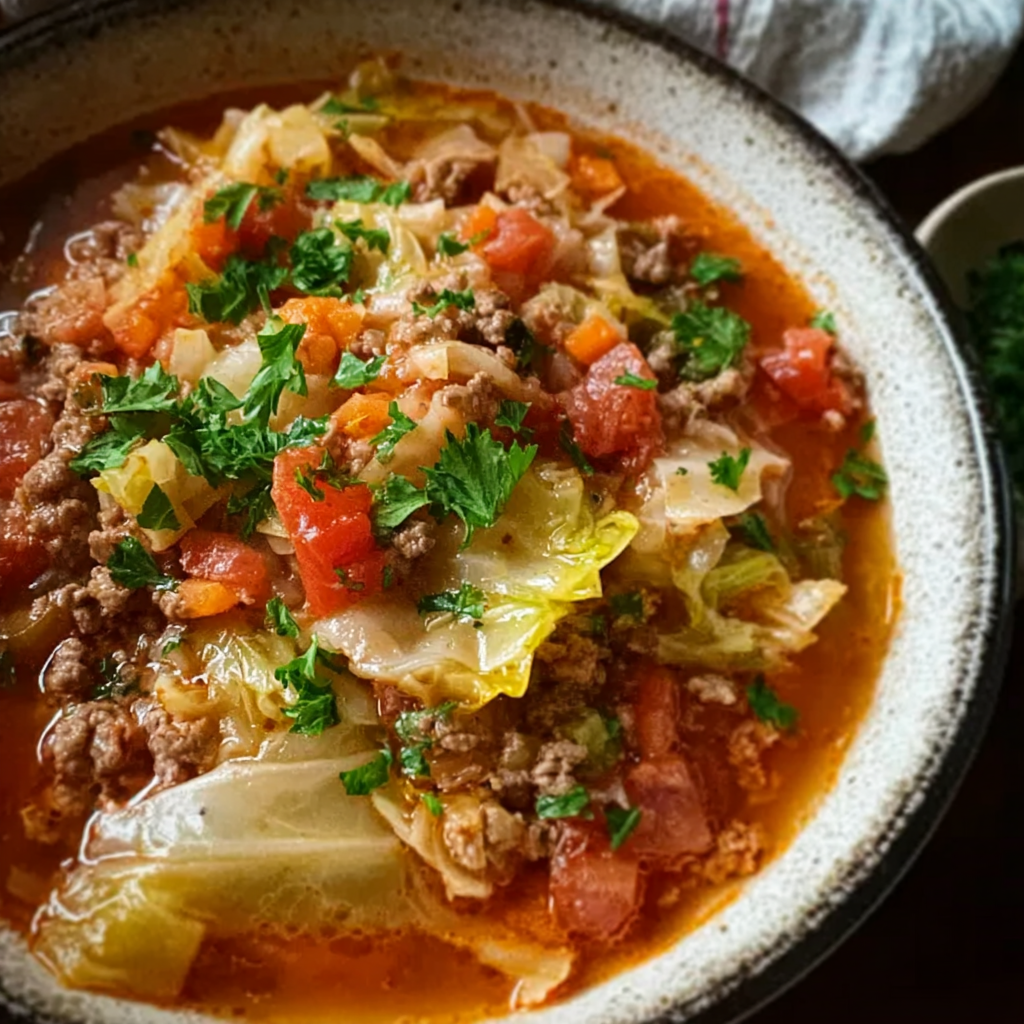
Cabbage soup is a classic dish that warms the soul. It's simple, nourishing, and full of flavor, making it a beloved staple in many households. The beauty of this soup lies in its versatility, allowing you to make adjustments based on seasonal ingredients or personal preference.
With the right balance of herbs, vegetables, and broth, you can create a dish that not only satisfies hunger but also provides a burst of freshness. Prepare for a cozy cooking experience where you'll learn to appreciate the humble cabbage in all its glory.
Ingredients
- 1 medium head of green cabbage, chopped
Cabbage serves as the star ingredient, providing body and a mild, sweet flavor that blends well with other vegetables. It's also low in calories but high in fiber, making for a filling base. - 2 tablespoons olive oil
Olive oil adds healthy fats and depth to the flavor profile. It helps in sautéing the vegetables, ensuring a rich and aromatic foundation for the soup. - 1 large onion, diced
Onions contribute sweetness and complexity to the soup. When sautéed, they caramelize slightly, enhancing the overall taste and aroma. - 2 carrots, diced
Carrots add natural sweetness and a pop of color, creating balance in the soup. Their texture also contrasts nicely with the softness of the cabbage. - 2 celery stalks, diced
Celery brings a crunchy texture along with its own mild flavor, rounding out the vegetable medley. - 4 cloves garlic, minced
Garlic infuses the soup with a fragrant aroma and robust flavor, enhancing the dish as it cooks. - 6 cups vegetable broth
Vegetable broth provides a hearty base for the soup, carrying the flavors of the vegetables and herbs. Homemade or store-bought, it's the liquid that makes the soup come together. - 2 cups diced tomatoes (canned or fresh)
Tomatoes add acidity and sweetness, balancing the flavors of the soup while contributing a rich color. - 1 teaspoon dried thyme
Thyme complements the other vegetables with its earthy flavor, enhancing the taste without overpowering the dish. - 1 teaspoon paprika
Paprika adds a warm, slightly smoky flavor profile, enriching the soup with a subtle complexity. - Salt and black pepper, to taste
Seasoning is crucial to elevate the dish; salt enhances all the natural flavors, while pepper adds a touch of heat. - 1 tablespoon lemon juice
Lemon juice brightens up the flavors at the end of cooking, providing a refreshing zing that balances the richness.
Directions & Preparation
Step 1: Heat olive oil in a large pot over medium heat.
Starting by heating the olive oil allows it to reach the right temperature for sautéing. This step is vital as it infuses the oil with flavor and prepares it to soften the vegetables as they release their natural moisture and sweetness.
Step 2: Add diced onions, carrots, and celery; sauté until softened.
Cooking these aromatics together deepens the flavor base of the soup. Saute until they are translucent and tender; this process takes about 5-7 minutes and will fill your kitchen with enticing aromas.
Step 3: Stir in minced garlic and cook for 1 minute.
Adding garlic after the other vegetables helps it to retain its robust flavor without burning. Garlic can become bitter if overcooked, so just a minute is sufficient to release its fragrance.
Step 4: Add chopped cabbage and sauté for about 5 minutes.
This step softens the cabbage slightly and allows it to absorb the flavors already established in the pot. It may seem like a lot at first, but cabbage cooks down significantly, adding both volume and richness to the soup.
Step 5: Pour in the vegetable broth and diced tomatoes.
Introducing the broth and tomatoes forms the body of the soup, merging all the flavors together. Bring the mixture to a gentle simmer, allowing the ingredients to meld.
Step 6: Season with thyme, paprika, salt, and pepper; let it simmer.
Seasoning at this stage is crucial for depth of flavor. Letting the soup simmer for at least 30 minutes allows the spices to infuse thoroughly, enhancing the overall sauce with their distinct characteristics.
Step 7: Taste and adjust seasoning; stir in lemon juice before serving.
Tasting before serving allows you to personalize the seasoning according to your preference. The addition of lemon juice at the end brightens the flavors and provides a refreshing finish.

A Versatile Base for Various Add-ins
The beauty of homemade cabbage soup is its adaptability. Feel free to add other vegetables like bell peppers or zucchini, or even protein such as beans or shredded chicken. This versatility not only stretches the recipe but also brings in new textures and flavors, making each batch unique.
Herb Variations for Personal Touch
Experimenting with herbs can elevate your cabbage soup to new heights. If thyme isn't your favorite, consider substituting with dill for a fresh touch, or try bay leaves for a deeper flavor as it simmers. Adding fresh herbs right before serving can also provide a vibrant burst of freshness.
Serving Suggestions for Every Occasion
Homemade cabbage soup can be a cozy weeknight meal or elegant enough for guests. Pair it with crusty bread for a hearty lunch, or serve alongside a fresh salad for a light dinner. Consider garnishing with fresh parsley or a dollop of sour cream for a restaurant-style finish.
FAQs
What can I add to make it heartier?
Consider adding cooked lentils or beans for protein, or pour in some cooked grains like barley or quinoa to make the soup more filling.
How can I enhance the flavors if it tastes bland?
Blending in extra seasonings like soy sauce, Worcestershire sauce, or additional herbs can enhance the soup's flavor profile. A splash of hot sauce can also add an exciting kick.
What if my soup came out too thick?
If your soup is thicker than desired, simply add more broth or water until you reach your preferred consistency. Remember to taste again after adjusting for seasoning.
Is there a substitution for vegetable broth?
If you don't have vegetable broth on hand, you can substitute with chicken broth for added flavor. Alternatively, you can use water with additional seasoning.
Can I use frozen cabbage in this recipe?
Yes, frozen cabbage can be used, but it may result in a slightly different texture due to the freezing process. Thaw and drain before adding to the pot.
How do I prevent overcooking the vegetables?
To avoid mushy vegetables, keep an eye on your cooking times, especially during the simmering stage. Testing the cabbage for tenderness can help gauge doneness.
Conclusion
Homemade cabbage soup is not only comforting but also a celebration of simple ingredients. With each bowl, you're offered warmth and nourishment, ideal for any day of the week.
Whether you savor it alone or share it with loved ones, this recipe invites creativity and personal touch. Enjoy experimenting with flavors and ingredients to make it your own.
Recipe Card

Comforting Homemade Cabbage Soup Recipe
Ingredients
- 1 medium head of green cabbage chopped
- 2 tablespoons olive oil
- 1 large onion diced
- 2 carrots diced
- 2 celery stalks diced
- 4 cloves garlic minced
- 6 cups vegetable broth
- 2 cups diced tomatoes canned or fresh
- 1 teaspoon dried thyme
- 1 teaspoon paprika
- Salt and black pepper to taste
- 1 tablespoon lemon juice
Instructions
- Heat olive oil in a large pot over medium heat.
- Add diced onions, carrots, and celery; sauté until softened.
- Stir in minced garlic and cook for 1 minute.
- Add chopped cabbage and sauté for about 5 minutes.
- Pour in the vegetable broth and diced tomatoes.
- Season with thyme, paprika, salt, and pepper; let it simmer.
- Taste and adjust seasoning; stir in lemon juice before serving.
Notes
Additional serving suggestions: pair with a crisp salad, garlic bread, or roasted seasonal vegetables for balance.
For make-ahead, prep components separately and assemble just before heating to preserve texture.
Taste and adjust with acid (lemon/vinegar) and salt right at the end to wake up flavors.