Introduction
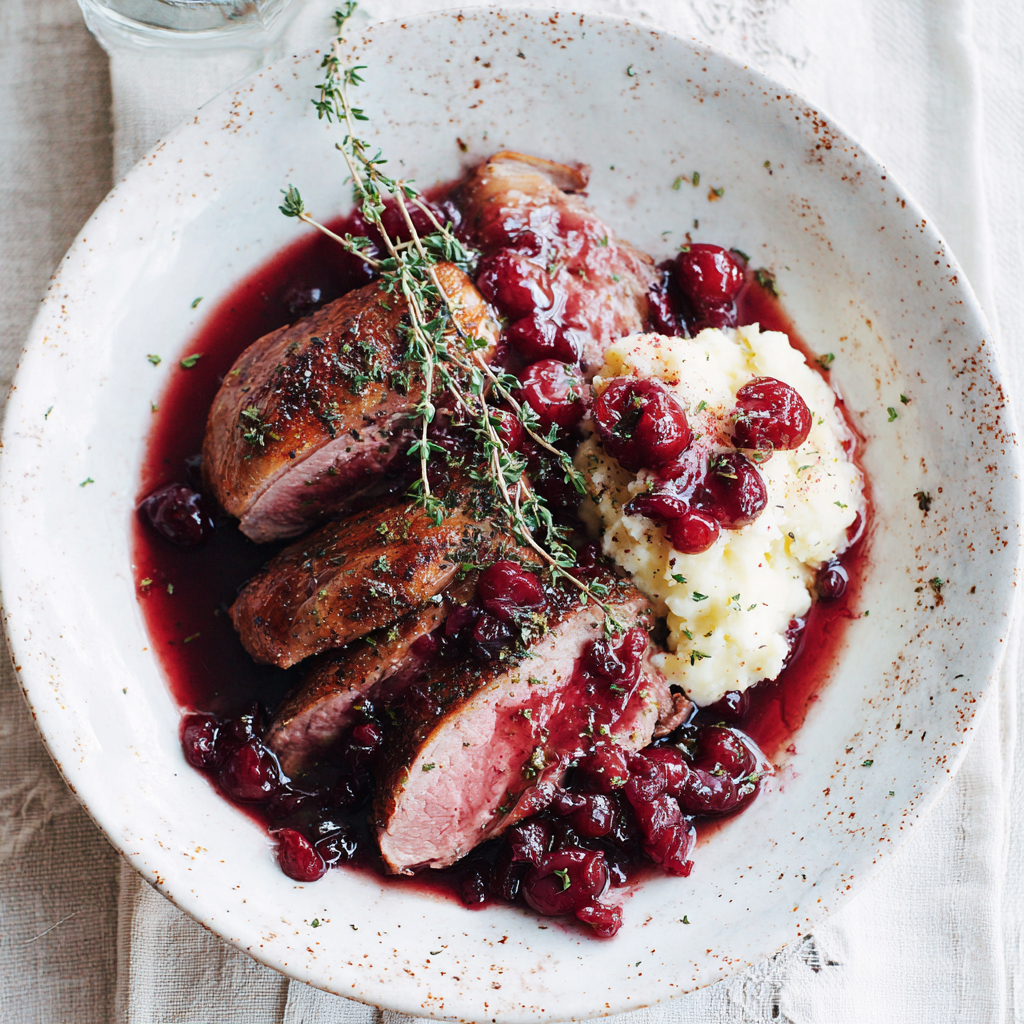
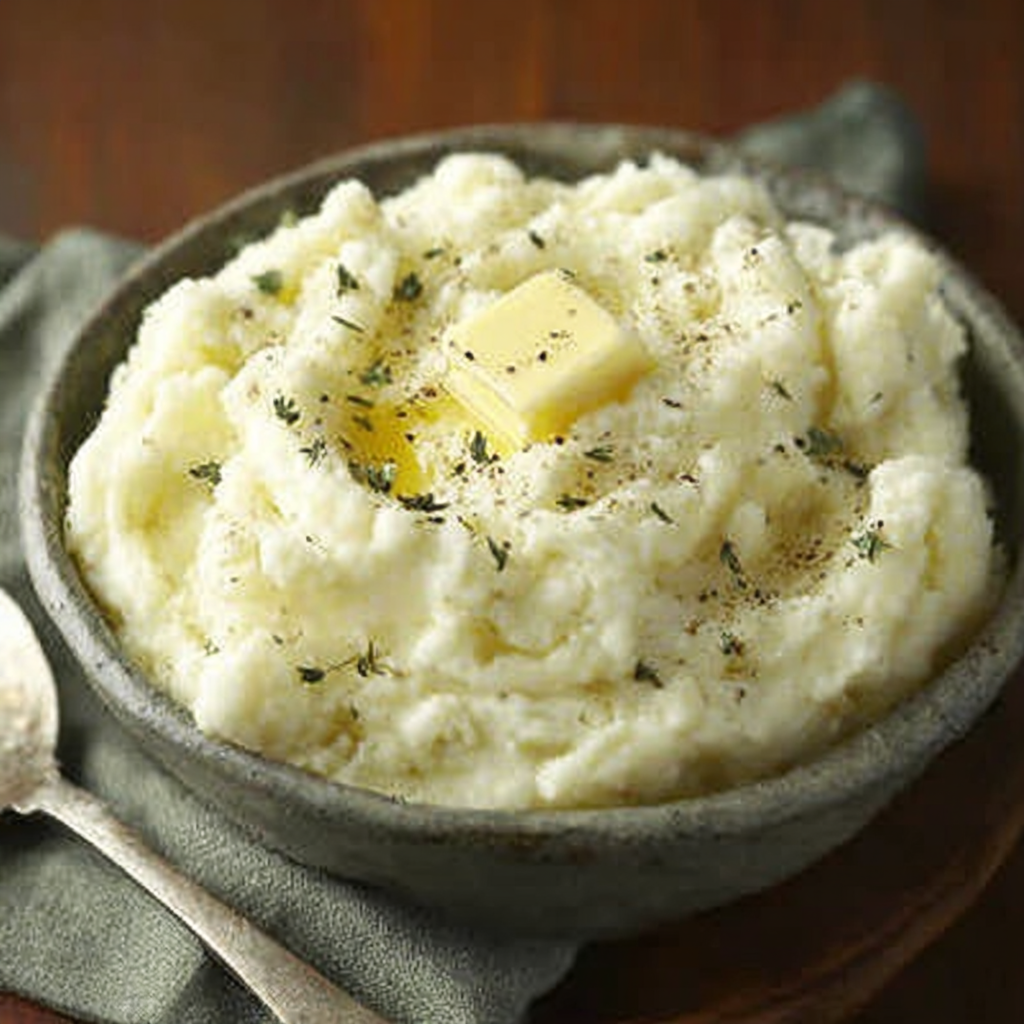
Mashed potatoes are a beloved comfort food that grace many tables, whether it’s a holiday feast or a cozy weeknight dinner. Their creamy texture and buttery flavor make them a perfect side dish for various main courses.
While some might consider them simple, achieving the perfect mashed potatoes is an art that involves selecting the right potatoes, understanding the role of each ingredient, and mastering cooking techniques. Let’s delve into creating a dish that will elevate your meals.
Ingredients
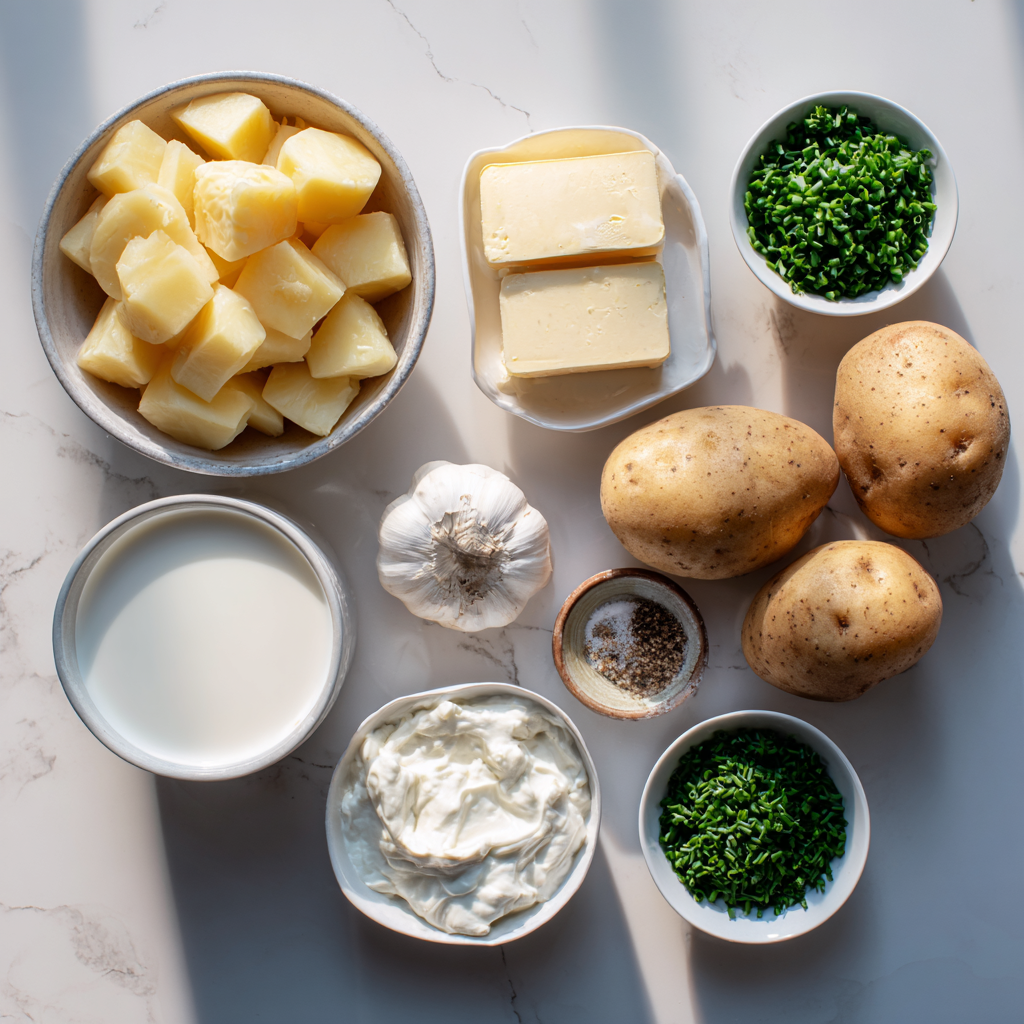
- 2 pounds Yukon Gold potatoes
Yukon Gold potatoes are known for their natural buttery flavor and creamy texture when cooked. They hold up well during boiling and mashing, creating a smooth consistency that is perfect for this dish. - 1/2 cup unsalted butter
Butter adds richness and creaminess to the mashed potatoes. Choosing unsalted butter allows you to control the salt level, enhancing the overall flavor without overpowering it. - 1/2 cup whole milk
Whole milk contributes to a rich and creamy consistency, making the mashed potatoes luscious. It’s essential to warm the milk slightly before adding it to help it blend better without cooling the potatoes. - 1 teaspoon salt
Salt is crucial as it enhances the natural flavors of the potatoes and other ingredients. Adjusting the salt to your taste will ensure your mashed potatoes are well-seasoned. - 1/4 teaspoon black pepper
Black pepper adds a subtle heat and complexity to the flavor profile of the mashed potatoes. Use freshly cracked pepper for a more vibrant taste. - Optional: 1/4 cup cream cheese or sour cream
Adding cream cheese or sour cream can introduce a tangy flavor and further creaminess. This optional ingredient can elevate the dish and offer a different take on the classic recipe.
Directions & Preparation
Step 1: Prepare the potatoes by peeling and cutting them into chunks.
Peeling the potatoes helps achieve that smooth texture most people associate with mashed potatoes. Cutting them into uniform chunks allows for even cooking, ensuring that no part is undercooked or overdone. Aim for about 1-inch pieces to maintain consistency.
Step 2: Place the potatoes in a large pot and cover with cold water.
Starting with cold water is key to even cooking, as it allows the potatoes to cook at the same rate. Add enough water to cover the potatoes by at least an inch. This prevents them from becoming too starchy and helps maintain their texture.
Step 3: Bring the water to a boil, then reduce heat and simmer until tender.
Boiling the water will help cook the potatoes quickly, but reducing the heat to a simmer prevents them from breaking apart and ensures they cook evenly. Fork-test the potatoes after about 15-20 minutes to check for doneness.
Step 4: Drain the potatoes and return them to the pot.
After draining, placing the potatoes back in the hot pot allows any remaining moisture to evaporate. This step is crucial as excess water can lead to watery, gluey mashed potatoes. Let them sit for a minute to release steam.
Step 5: Add the butter, salt, and pepper to the potatoes.
Adding butter while the potatoes are still hot helps it melt completely, ensuring even distribution. The salt and pepper need to be incorporated at this stage for fundamental seasoning that enhances the entire dish’s flavor without being overpowering.
Step 6: Begin mashing the potatoes using a potato masher or ricer.
Using a masher or ricer promotes a creamy texture without overworking the potatoes. Avoid using a food processor, as it can turn the potatoes gummy. Mash until smooth but don’t overdo it; a few lumps are perfectly fine.
Step 7: Gradually add the warmed milk and mix until creamy.
Warming the milk first helps to keep the potatoes hot while you mix, allowing for a smoother blend. Add the milk gradually to reach your desired consistency without making the potatoes too watery.
Step 8: Optional: Stir in cream cheese or sour cream for extra richness.
Incorporating cream cheese or sour cream can add a delightful tang and enhance the creaminess of your mashed potatoes. This optional step is a great way to introduce variations to the classic recipe.
Exploring Flavor Variations in Mashed Potatoes
Mashed potatoes offer the perfect canvas for culinary creativity. Consider stirring in roasted garlic for a sweet, savory element or fresh herbs like chives or parsley for a pop of freshness. You might even experiment with cheeses like Parmesan or cheddar for a richer taste. These variations can transform your basic mashed potatoes into a gourmet side dish that complements diverse main courses.
Choosing the Right Potatoes
The choice of potato can significantly impact the texture and taste of your mashed potatoes. Starchy varieties like Russets yield a fluffier mash, while waxy types like Yukon Gold provide a creamier texture. Blending different types can give you the best of both worlds, enhancing flavor and creaminess while providing a delectable mouthfeel.
Tips for Preventing Gummy Mashed Potatoes
Gummy mashed potatoes can result from overworking the potatoes or using the wrong kind of utensils. To avoid this, stick to a manual masher or ricer and stop mashing as soon as you achieve the desired consistency. Additionally, ensure that your potatoes are dry before mashing. Following these tips will give you delightful, fluffy mashed potatoes every time.
FAQs
What should I do if my mashed potatoes turn out too thick?
If your mashed potatoes are too thick, gradually stir in a little warm milk until you reach your desired consistency. Be cautious not to over-mix, as this can lead to a gummy texture.
What can I add for extra flavor in my mashed potatoes?
Consider adding garlic, herbs, or different cheeses for extra flavor. Roasted garlic gives a sweet undertone, while chives or rosemary can add freshness and depth.
How can I fix bland mashed potatoes?
Bland mashed potatoes can be elevated with more salt, pepper, or even a touch of butter. Taste and adjust these seasonings until the flavor pops.
What could I do if my potatoes are overcooked?
If your potatoes are overcooked and mushy, you might try stirring in some additional ingredients like cream cheese or using them in a casserole to incorporate them into another dish.
Can I scale this recipe for a larger gathering?
Yes, this mashed potato recipe is easily scalable. Simply double or triple the ingredients proportionally. Just ensure you have a large enough pot to boil and mash them.
What happens if I leave the skins on when mashing?
Leaving the skins on can add texture and a rustic feel to your mashed potatoes. However, it may not yield the traditional smooth consistency and can have a slightly different flavor.
Conclusion
Mastering the art of mashed potatoes is about finding the right balance of ingredients and techniques. With the right potatoes and a few simple additions, you can create a dish that is both comforting and flavorful.
Next time you’re preparing mashed potatoes, remember these tips and variations. Elevate your cooking and enjoy the process of making this timeless side dish.
Recipe Card
Crafting Creamy and Flavorful Mashed Potatoes
Ingredients
- 2 pounds Yukon Gold potatoes
- 1/2 cup unsalted butter
- 1/2 cup whole milk
- 1 teaspoon salt
- 1/4 teaspoon black pepper
- Optional: 1/4 cup cream cheese or sour cream
Instructions
- Prepare the potatoes by peeling and cutting them into chunks.
- Place the potatoes in a large pot and cover with cold water.
- Bring the water to a boil, then reduce heat and simmer until tender.
- Drain the potatoes and return them to the pot.
- Add the butter, salt, and pepper to the potatoes.
- Begin mashing the potatoes using a potato masher or ricer.
- Gradually add the warmed milk and mix until creamy.
- Optional: Stir in cream cheese or sour cream for extra richness.
Notes
Additional serving suggestions: pair with a crisp salad, garlic bread, or roasted seasonal vegetables for balance.
For make-ahead, prep components separately and assemble just before heating to preserve texture.
Taste and adjust with acid (lemon/vinegar) and salt right at the end to wake up flavors.