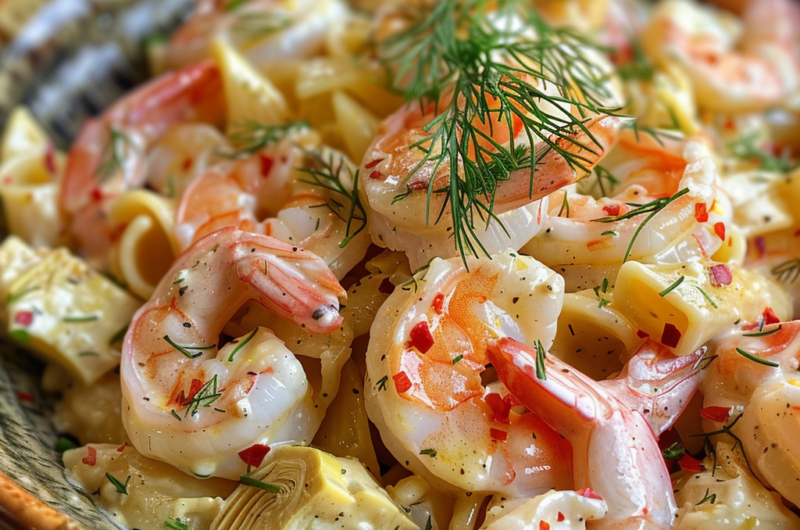
A bright, briny 30-minute dinner that feels like a coastal vacation, with easy gluten-free and dairy-free adaptations.
📋 In This Article
- Introduction
- Why This Recipe Works
- The Star Ingredients: A Mediterranean Pantry Deep Dive
- Step-by-Step Culinary Journey: Crafting Your Perfect Pasta
- Common Mistakes to Avoid for a Flawless Dish
- Variations & Customizations: Tailor Your Mediterranean Masterpiece
- Storage & Reheating: Enjoying Leftovers Like Day One
- Frequently Asked Questions
Introduction
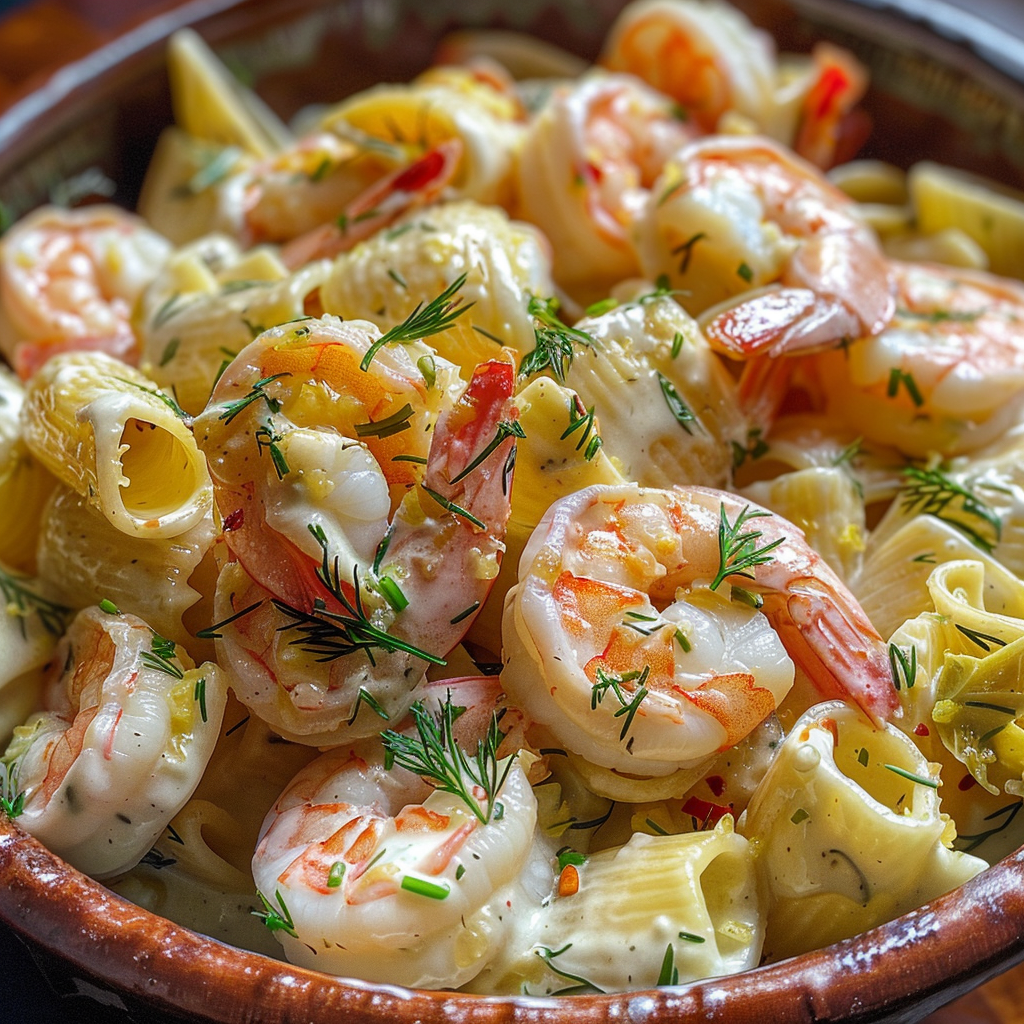
There is a specific kind of magic that happens when you pair sweet shellfish with the sharp, clean punch of lemon. This Creamy Lemon Garlic Shrimp & Artichoke Mediterranean Pasta with Fresh Dill captures that seaside brightness in a weeknight-friendly format. It’s a dish that feels distinctly Mediterranean—relying on fresh herbs, good olive oil, and briny vegetables—yet comes together in the time it takes to boil water.
I’ve spent years testing pasta dishes, and too often, “creamy” translates to heavy. That’s not what we’re doing here. By leveraging the starchy pasta water and balancing the richness with acid, we achieve a velvety sauce that clings to every noodle without weighing you down. Whether you are meal-prepping for Tuesday or hosting a casual Friday dinner, this recipe offers a masterclass in balancing fat, acid, and salinity.
Why This Recipe Works
Most creamy pasta recipes fail because they fight the ingredients. They drown the delicate shrimp in heavy, flavorless flour-thickened sauces. This recipe works because it respects the chemistry of the emulsion.
We use the Maillard reaction to our advantage. By searing the shrimp quickly in a hot pan, we develop hundreds of new flavor compounds on the surface—far more complexity than a simple poach could offer. Those browned bits, known as fond, dissolve into the sauce base, creating a depth of flavor you simply cannot get from a jar.
Secondly, we manage moisture. Artichoke hearts are packed in a acidic brine (usually). That acid helps cut the fat of the cream, but the liquid itself can make a sauce watery. We drain them well and sauté them to concentrate their earthy flavor. Finally, the pasta water is our binding agent. As pasta cooks, it releases starch into the water. When you toss that starchy water into the fat and liquid, it creates a stable emulsion—a glossy, cohesive sauce that stays creamy rather than separating into a greasy slick.
The Star Ingredients: A Mediterranean Pantry Deep Dive
Quality matters here. Because the ingredient list is short, every item has to pull its weight.
- Wild-Caught Shrimp: Look for shrimp labeled “wild-caught” or “Key West pink.” They have a sweeter, cleaner flavor and a firmer texture than farmed varieties. If you only have frozen, thaw them completely and—this is crucial—pat them absolutely dry with paper towels before cooking. Wet shrimp steam; dry shrimp sear.
- Artichoke Hearts: I prefer the ones canned in water, not the jarred ones marinated in oil. The marinated ones often have herbs and flavors that clash with our fresh dill. If you use frozen artichoke hearts, thaw and squeeze them dry.
- The Cream Element: For the standard version, heavy cream is your friend because its high fat content prevents curdling under heat. For a dairy-free adaptation, use full-fat coconut milk. The subtle sweetness pairs surprisingly well with the lemon and garlic. Low-fat alternatives will likely break or curdle when the lemon juice hits them.
- Fresh Dill vs. Dried: This is not the place for dried dill. Fresh dill offers a grassy, anise-like brightness that dies on the vine when dried. Add it at the very end to preserve its volatile oils and aroma.
Step-by-Step Culinary Journey: Crafting Your Perfect Pasta
Follow these steps to ensure your pasta turns out perfectly creamy every time.
Step 1: Pasta Setup (10 minutes)
Bring a large pot of water to a rolling boil. Salt it until it tastes like a well-seasoned soup—this is your only chance to season the actual noodles. Add 8 ounces of pasta (linguine or fettuccine works best to grab the sauce). Cook until al dente.
Crucial Move: Before draining, reserve at least 1 cup of that starchy pasta water. It is the secret weapon for a glossy sauce. Drain the pasta and set aside.
Step 2: Sear the Shrimp (5 minutes)
While the water boils, heat 2 tablespoons of olive oil in a large skillet over medium-high heat until shimmering. Season your dried shrimp with salt and pepper. Add them to the pan in a single layer.
The Science: Do not crowd the pan. If you add too many at once, the temperature drops, and the shrimp will boil in their own juices rather than sear. Work in batches if necessary. Cook for about 1-2 minutes per side until they turn pink and develop a golden crust. Remove shrimp from the pan and set aside on a plate.
Step 3: Building the Foundation (5 minutes)
Reduce heat to medium. Add 4 minced garlic cloves to the residual oil. Sauté for 30 seconds until fragrant—don’t let it brown, or it turns bitter. Add 1 cup of drained artichoke hearts. Let them sizzle for 2 minutes to dry them out slightly and concentrate the flavor.
Step 4: The Sauce Emulsion (5 minutes)
Pour in 1 cup of heavy cream (or coconut cream). Add the juice of one lemon. Here is the trick: scrape the bottom of the pan with a wooden spoon to release the fond left by the shrimp. Let the sauce simmer gently for 3-4 minutes until it thickens slightly.
Step 5: The Marriage (3 minutes)
Add the cooked pasta directly into the skillet. Toss vigorously with tongs. If the sauce looks too tight or sticky, pour in that reserved pasta water a splash at a time. The agitation helps the starch in the water bond with the fat in the cream, creating a silky texture. Stir in the fresh dill and the cooked shrimp. Toss just to warm the shrimp through—don’t cook them further.
Step 6: Finishing Touch
Serve immediately in warm bowls. Top with lemon zest and a crack of black pepper.
⚠️ Common Mistakes to Avoid for a Flawless Dish
Even simple recipes can go wrong. Here is how to sidestep the usual pitfalls.
Overcooked Shrimp: This is the number one complaint. Shrimp are done the second they turn opaque and form a “C” shape. If they curl into a tight “O”, they are overcooked and rubbery. Remember: carryover cooking is real. They will continue to cook slightly even after you remove them from the heat.
Broken Sauce: If your sauce looks curdled, your heat was likely too high. Dairy proteins tighten and separate when boiled aggressively. Keep the heat at a gentle simmer. If it does break, a splash of cold water and vigorous whisking can sometimes bring it back together.
Bland Noodles: If the pasta tastes flat, you didn’t salt the water enough. Salting the water is the difference between a dish that tastes “meh” and one that pops.
Variations & Customizations: Tailor Your Mediterranean Masterpiece
This recipe is a template, not a rulebook.
- Gluten-Free: Use a high-quality brown rice pasta (like Jovial or Tinkyada). They mimic the texture of wheat pasta beautifully. Chickpea pasta works too, but it adds a nutty flavor that competes with the artichokes.
- Dairy-Free: Swap the heavy cream for full-fat coconut milk or a high-quality oat creamer. Note that coconut milk will add a slight sweetness, so you may want to add an extra squeeze of lemon to balance it.
- Protein Swaps: Not a shrimp fan? Seared scallops are a luxurious substitute. For a vegetarian version, swap the shrimp for cannellini beans or chickpeas.
- Keto-Friendly: Ditch the pasta entirely. Use spiralized zucchini noodles (zoodles). Add them to the sauce in the last minute of cooking just to warm through, maintaining their crunch.
Storage & Reheating: Enjoying Leftovers Like Day One
Creamy pasta is best eaten fresh, but life happens.
Refrigerator: Store leftovers in an airtight container for up to 3 days. The sauce will thicken considerably in the cold as the starches set.
Reheating: Do not microwave this on high power. It will separate the sauce and rubberize the shrimp. Instead, place the leftovers in a skillet over medium-low heat. Add a splash of water or broth. Toss gently until the sauce loosens up and the dish is heated through.
Freezing: I don’t recommend freezing this. Cream sauces tend to separate upon thawing, and the texture of the shrimp becomes unpleasantly grainy.
Frequently Asked Questions
+Why is my sauce runny?
You likely didn’t reduce the cream enough or forgot to add the pasta water. Pasta water is concentrated starch, which thickens liquids naturally. Simmer the sauce a minute longer next time or add less pasta water initially.
+Can I use bottled lemon juice?
Fresh is always better. Bottled juice often contains preservatives that lend a metallic, processed aftertaste that clashes with the fresh dill. Fresh lemon provides aromatic oils in the zest that brighten the entire dish.
+Can I use frozen shrimp?
Absolutely. Just make sure they are fully thawed and patted extremely dry. Excess water from freezing prevents the shrimp from searing properly, leading to a gray, boiled texture rather than a golden, pink sear.
+What can I substitute for dill?
If you dislike dill, fresh parsley or basil are excellent alternatives. Parsley offers a milder, grassy note, while basil adds a sweet, peppery kick that leans slightly Italian rather than Mediterranean.
+How do I know when the shrimp are done?
Look for the color change. Raw shrimp are grayish and translucent. Cooked shrimp are pink and opaque. Touch them; they should feel firm but still have a slight give. If they feel hard, they are overcooked.