Introduction
There's something magical about a homemade vanilla cake. It's more than just a dessert; it embodies the warmth of family gatherings and the joy of celebrations. With the right techniques and quality ingredients, you can transform simple components into a light and fluffy treat that everyone will adore.
The foundation of any cake lies in understanding your ingredients and techniques. This fluffy vanilla cake delivers a perfect balance of sweetness and texture, making it an ideal base for various frostings or simply enjoyed plain with a dusting of powdered sugar.
Whether you’re baking for a birthday, an anniversary, or just because, mastering this recipe opens up a world of possibilities. Let’s get started on crafting this delightful homemade vanilla cake.
Ingredients
- 2 cups all-purpose flour
All-purpose flour provides the structure for the cake, giving it the necessary stability and texture. For a fluffier cake, make sure to measure the flour correctly, either by weight or spooning it into the measuring cup and leveling it off. - 1 ½ cups granulated sugar
Sugar not only sweetens the cake but also contributes to the moisture content and helps create a tender crumb. It plays a critical role in the cake's rise when creamed with butter. - 1 cup unsalted butter, softened
Butter adds flavor and richness to the cake. Softening it allows it to cream well with sugar, which helps incorporate air into the batter for that desirable fluffiness. - 4 large eggs
Eggs provide structure and moisture while also helping the cake to rise. They should be at room temperature for better emulsification and incorporation into the batter. - 1 tablespoon vanilla extract
Vanilla extract infuses the cake with a warm and inviting flavor that enhances the overall sweetness. Opt for pure vanilla extract for the best taste. - 1 cup whole milk, at room temperature
Milk adds moisture and richness to the batter. Using it at room temperature helps combine the ingredients more effectively, creating a smoother batter. - 1 tablespoon baking powder
Baking powder is a leavening agent that helps the cake rise, yielding a light and airy texture. Ensure it’s fresh for the best results. - ½ teaspoon salt
Salt enhances the flavors of the cake and balances the sweetness. It also strengthens the batter's structure.
Directions & Preparation
Step 1: Preheat your oven to 350°F (175°C) and prepare your cake pans.
Preheating the oven ensures the cake begins to bake immediately for even cooking. Grease and flour two 9-inch round cake pans to prevent sticking. Alternatively, you can line the bottom with parchment paper for easier removal.
Step 2: In a large mixing bowl, cream together the softened butter and granulated sugar until light and fluffy.
This step is crucial for incorporating air into the batter, which contributes to the cake's fluffiness. The mixture should turn pale and expand in volume, which indicates that you’ve achieved the right consistency.
Step 3: Add the eggs one at a time, mixing well after each addition. Stir in the vanilla extract.
Adding eggs gradually prevents the batter from curdling and helps maintain its smooth texture. Ensure each egg is fully incorporated before adding the next to promote even mixing.
Step 4: In another bowl, whisk together the flour, baking powder, and salt.
This dry mixture helps to evenly distribute the leavening agents and salt, ensuring that each bite of cake has a consistent texture and flavor. Whisking aerates the flour, contributing to a lighter cake.
Step 5: Alternate adding the dry ingredients and milk to the butter mixture, starting and ending with the flour mixture.
Mixing in this order helps maintain a fluffy texture. Overmixing can create a dense cake, so mix just until combined and smooth, being careful to scrape down the sides of the bowl.
Step 6: Divide the batter evenly between the prepared pans and smooth the tops.
Even distribution of the batter ensures that both cakes rise uniformly. Smoothing the tops helps the cakes to bake evenly, reducing the chance of doming.
Step 7: Bake for 25-30 minutes, or until a toothpick inserted into the center comes out clean.
Baking time may vary based on your oven and the type of pans used. Check for doneness at the earliest time to avoid overbaking, which can dry out the cake.
Step 8: Once baked, remove the cakes from the oven and let them cool in the pans for 10 minutes before transferring to a wire rack.
Cooling in the pans helps the cakes to firm up slightly, making them easier to remove without breaking. Transferring to a wire rack allows air circulation, preventing sogginess.
Step 9: After the cakes are completely cool, frost as desired or serve plain.
You can choose to frost with your favorite icing or enjoy the cake as is. Allowing the cake to cool completely prevents the frosting from melting and ensures a clean presentation.

Elevate Your Fluffy Cake with Flavor Variations
While a classic vanilla flavor is delightful, don’t hesitate to experiment with variations. Consider adding citrus zest, like lemon or orange, for a refreshing twist, or incorporating almond extract for a different aromatic profile. You can also fold in lemon curd or chocolate chips before baking to surprise your guests with bursts of flavor.
Choosing the Right Frosting for Your Cake
The frosting can make a significant difference in the overall experience of your fluffy vanilla cake. Buttercream is perhaps the most traditional choice, offering a rich and creamy complement. For a lighter option, whipped cream or cream cheese frosting pairs beautifully, enhancing the cake's subtle vanilla notes without overpowering them.
Troubleshooting Common Cake Issues
Even experienced bakers can encounter challenges. If your cake is too dense, it may have been overmixed, or you could have added too much flour. A cake that rises improperly may need more baking powder or an adjustment in oven temperature. Learning from these issues will improve your baking skills and result in even more delicious cakes.
FAQs
What if my batter is too thick?
If your cake batter appears too thick, try adding a tablespoon of milk to loosen it up. Make sure to blend just until smooth, avoiding overmixing.
Can I use cake flour instead of all-purpose flour?
Absolutely! Cake flour can provide an even lighter texture given its lower protein content. Just reduce the flour amount slightly to avoid a dry cake.
Why is my cake dry?
A dry cake can result from overbaking or not using enough moisture-rich ingredients like butter or milk. Always check for doneness a few minutes before the recommended time.
How can I enhance the flavor without using extra ingredients?
To enhance flavor, ensure your ingredients are fresh, especially the vanilla extract, and consider slightly increasing the vanilla quantity for a more pronounced taste.
What should I do if my cake domed in the middle?
If your cake has domed, it may have been baked at too high a temperature. Next time, consider lowering the temperature slightly and checking for doneness sooner.
Can I substitute melted butter for softened butter?
While you can substitute melted butter, it will change the texture of the cake. Softened butter incorporates air, leading to a fluffier cake, while melted butter results in denser cakes.
Conclusion
Creating a fluffy homemade vanilla cake can be a rewarding experience. With careful attention to detail in ingredient selection and preparation methods, you can produce a cake that stands out for its tenderness and flavor.
Don’t be afraid to customize this cake to suit your tastes or occasions. Whether you leave it plain or transform it with frostings and fillings, this recipe will leave lasting impressions on family and friends alike.
Recipe Card
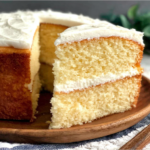
Creating Fluffy Homemade Vanilla Cake from Scratch
Ingredients
- 2 cups all-purpose flour
- 1 ½ cups granulated sugar
- 1 cup unsalted butter softened
- 4 large eggs
- 1 tablespoon vanilla extract
- 1 cup whole milk at room temperature
- 1 tablespoon baking powder
- ½ teaspoon salt
Instructions
- Preheat your oven to 350°F (175°C) and prepare your cake pans.
- In a large mixing bowl, cream together the softened butter and granulated sugar until light and fluffy.
- Add the eggs one at a time, mixing well after each addition. Stir in the vanilla extract.
- In another bowl, whisk together the flour, baking powder, and salt.
- Alternate adding the dry ingredients and milk to the butter mixture, starting and ending with the flour mixture.
- Divide the batter evenly between the prepared pans and smooth the tops.
- Bake for 25-30 minutes, or until a toothpick inserted into the center comes out clean.
- Once baked, remove the cakes from the oven and let them cool in the pans for 10 minutes before transferring to a wire rack.
- After the cakes are completely cool, frost as desired or serve plain.
Notes
Additional serving suggestions: pair with a crisp salad, garlic bread, or roasted seasonal vegetables for balance.
For make-ahead, prep components separately and assemble just before heating to preserve texture.
Taste and adjust with acid (lemon/vinegar) and salt right at the end to wake up flavors.