Introduction
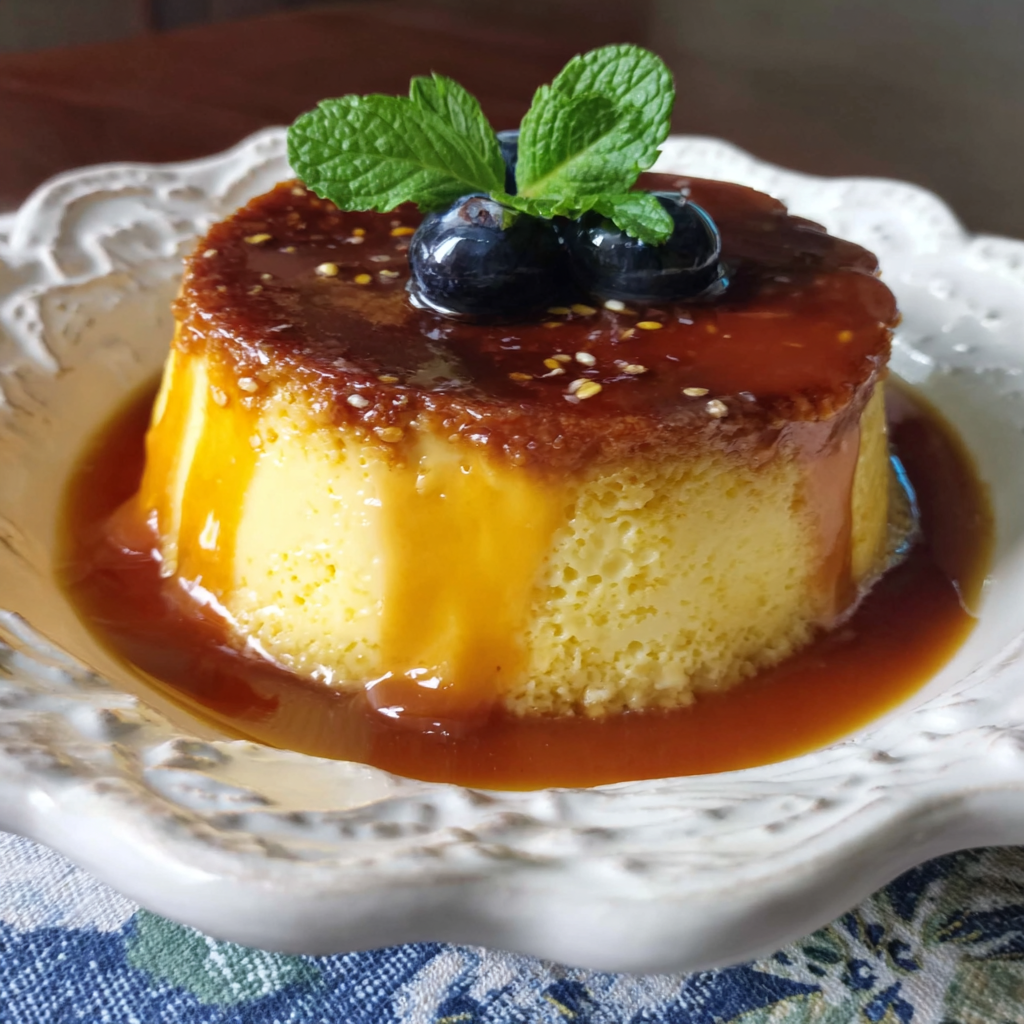
Caramel pudding and soft cake are timeless treats that evoke a sense of nostalgia and comfort. Whether served as a dessert at a special gathering or whipped up on a quiet afternoon, their rich flavors and pleasing textures make them irresistible.
In this recipe, we’ll explore the art of achieving the perfect caramel pudding paired with a moist, soft cake. The fusion of the creamy, sweet caramel and the delicate cake creates an indulgent experience that is sure to impress any palate.
The beauty of this recipe lies not only in its taste but also in its simplicity. With every step, we break down the process, ensuring that even novice bakers can confidently create this dessert at home.
Ingredients

- 1 cup granulated sugar
The main sweetener in this recipe, granulated sugar caramelizes to create a deep, rich flavor that’s essential for the pudding. It also contributes to the overall texture of the dessert. - 4 large eggs
Eggs provide structure and moisture to both the pudding and cake. Their proteins help set the pudding while keeping the cake fluffy and tender. - 2 cups whole milk
Whole milk contributes to the creaminess and richness of the pudding. It also aids in achieving a smooth texture, while providing the moisture needed in the cake. - 1 teaspoon vanilla extract
Vanilla extract enhances the flavor profile, adding depth to the pudding and cake. It creates a warm, aromatic foundation that complements the sweetness. - 1¼ cups all-purpose flour
Flour is the main structure-building ingredient in the cake. It helps give the cake its rise, contributing to a soft, tender crumb. - ½ cup unsalted butter
Butter enriches both the pudding and cake, adding flavor and moisture. When creamed, it incorporates air, contributing to the cake’s soft texture. - 1 tablespoon baking powder
Baking powder is the leavening agent that helps the cake rise. This ensures it reaches a light and fluffy consistency instead of being dense. - ½ teaspoon salt
Salt enhances flavor by balancing the sweetness. It also strengthens the protein structure in both the pudding and cake.
Directions & Preparation
Step 1: Prepare the caramel sauce.
Start by placing the granulated sugar in a medium saucepan over medium heat. As the sugar melts, stir gently with a wooden spoon to ensure it melts evenly. Watch carefully as it turns a deep amber color; this is the point at which it’s perfect for drizzling over your pudding. Undercooked caramel can be overly sweet, while overcooked can taste bitter, so patience is key.
Step 2: Make the pudding mixture.
In a mixing bowl, whisk the eggs and gradually add the warm milk and vanilla extract. This step is crucial as whisking aerates the mixture and ensures the eggs don’t scramble when combined with the hot caramel. The warmth of the milk helps to dissolve any bits of caramel, allowing for a smooth pudding texture.
Step 3: Combine pudding and caramel.
Once the caramel has cooled slightly, pour about half of it into the bottom of your prepared baking dish. Next, pour the pudding mixture over this layer of caramel. The combination of hot caramel and pudding creates a delightful contrast that sets the dishes apart.
Step 4: Prepare the cake batter.
In another bowl, cream the unsalted butter and sugar until light and fluffy. This step is fundamental for a soft cake as it incorporates air into the batter, giving structure and lift. Be sure to scrape down the sides of the bowl so everything is mixed evenly, which prevents clumps of butter in the final cake.
Step 5: Combine wet and dry ingredients.
Gradually alternate adding in the dry ingredients—including flour, baking powder, and salt—and the remaining milk to the creamed butter mixture. Mix until just combined to avoid overworking the batter, which can lead to a tough cake. The combination should be smooth but not over-mixed.
Step 6: Layer the cake over the pudding.
Once your batter is prepared, carefully spoon it over the pudding layer. This step can feel tricky, but be gentle to prevent the cake batter from mixing into the pudding. The goal is for them to bake separately into a layered delight.
Step 7: Bake at the right temperature.
Bake in a preheated oven at 350°F (175°C) for 45-50 minutes. The cake should be golden brown and a toothpick inserted into the center should come out clean. Baking at the correct temperature is vital to achieve the right texture, as too high can cause the cake to dry out, and too low will leave it undercooked.
Step 8: Cool and serve.
Once baked, allow the dessert to cool for about 15-20 minutes in the pan before inverting onto a serving dish. This resting time helps the caramel to settle and lets the flavors meld harmoniously. Serve warm or chilled, and prepare for an explosion of flavors!
The Art of Caramel: A Balancing Act
Caramel can evoke a spectrum of flavors, from buttery to nutty, depending on how long you cook it. Achieving the perfect balance is essential; too light, and it lacks depth, while too dark results in bitterness. To avoid burning, constantly stir and watch for that golden hue. A well-made caramel sauce is the cornerstone of this dessert, lending it both sweetness and complexity.
Why Eggs Matter in Baking
Eggs are more than just a binding agent; they play a critical role in the overall texture of both the cake and pudding. The proteins in eggs coagulate as they cook, providing structure to the dessert. For a successful bake, use fresh eggs at room temperature; this allows for better emulsification in the batter, resulting in a lovely crumb and an airy pudding.
Serving Suggestions to Elevate Flavor
To enhance your caramel pudding and soft cake, consider pairing it with a dollop of freshly whipped cream or a drizzle of additional caramel sauce. Adding a sprinkle of sea salt can also balance out the sweetness, allowing the flavors to shine. For those who enjoy a fruity contrast, a side of macerated berries can add brightness to the rich dessert, making the experience even more indulgent.
FAQs
What can I do if my caramel sauce is too thick?
If your caramel is too thick, try gently reheating it with a tablespoon or two of hot water or milk until it reaches the desired consistency.
How can I ensure my cake stays moist?
To keep the cake moist, avoid overmixing the batter and ensure you do not overbake it. Use a toothpick to check doneness, removing it from the oven as soon as it comes out clean.
What should I do if my pudding layer is too runny?
If your pudding is too runny, you can try adding a little cornstarch dissolved in cold milk to the mixture before reheating it on the stovetop. This will help thicken it up.
Can I make a chocolate version of this dessert?
Yes! You can incorporate cocoa powder into the cake batter and chocolate icing on top for rich, chocolaty delights without disrupting the basic structure of the recipe.
What if my cake is overcooked?
If the cake has become dry, consider serving it with a side of whipped cream or a scoop of ice cream to add moisture and enhance the overall experience.
Is it possible to scale this recipe for larger gatherings?
Definitely! Simply double the ingredients and bake in larger pans, but adjust the baking time as necessary, checking for doneness frequently.
Conclusion
Creating a caramel pudding and soft cake is a fulfilling culinary adventure that rewards you with rich flavors and a delightful presentation. This dessert is perfect for any occasion, from family gatherings to elegant dinner parties.
As you master this recipe, don’t hesitate to experiment with flavors and textures that suit your palate. The heart of cooking lies in creativity, and this dish is a canvas for your culinary expression.
Recipe Card

Delightful Caramel Pudding with Soft Cake Layers
Ingredients
- 1 cup sugar
- 2 tablespoons water
- 2 cups milk
- 3 large eggs
- 1 teaspoon vanilla extract
- 1 ½ cups all-purpose flour
- 1 cup butter softened
- 1 cup sugar
- 3 large eggs
- 1 teaspoon baking powder
- ½ teaspoon salt
Instructions
- Prepare the caramel sauce.
- Pour the caramel into the pudding dish.
- Make the pudding mixture.
- Bake the pudding.
- While the pudding bakes, prepare the soft cake.
- Add eggs and mix well.
- Sift together the dry ingredients.
- Bake the cake.
- Cool and serve.
Notes
Additional serving suggestions: pair with a crisp salad, garlic bread, or roasted seasonal vegetables for balance.
For make-ahead, prep components separately and assemble just before heating to preserve texture.
Taste and adjust with acid (lemon/vinegar) and salt right at the end to wake up flavors.