Introduction
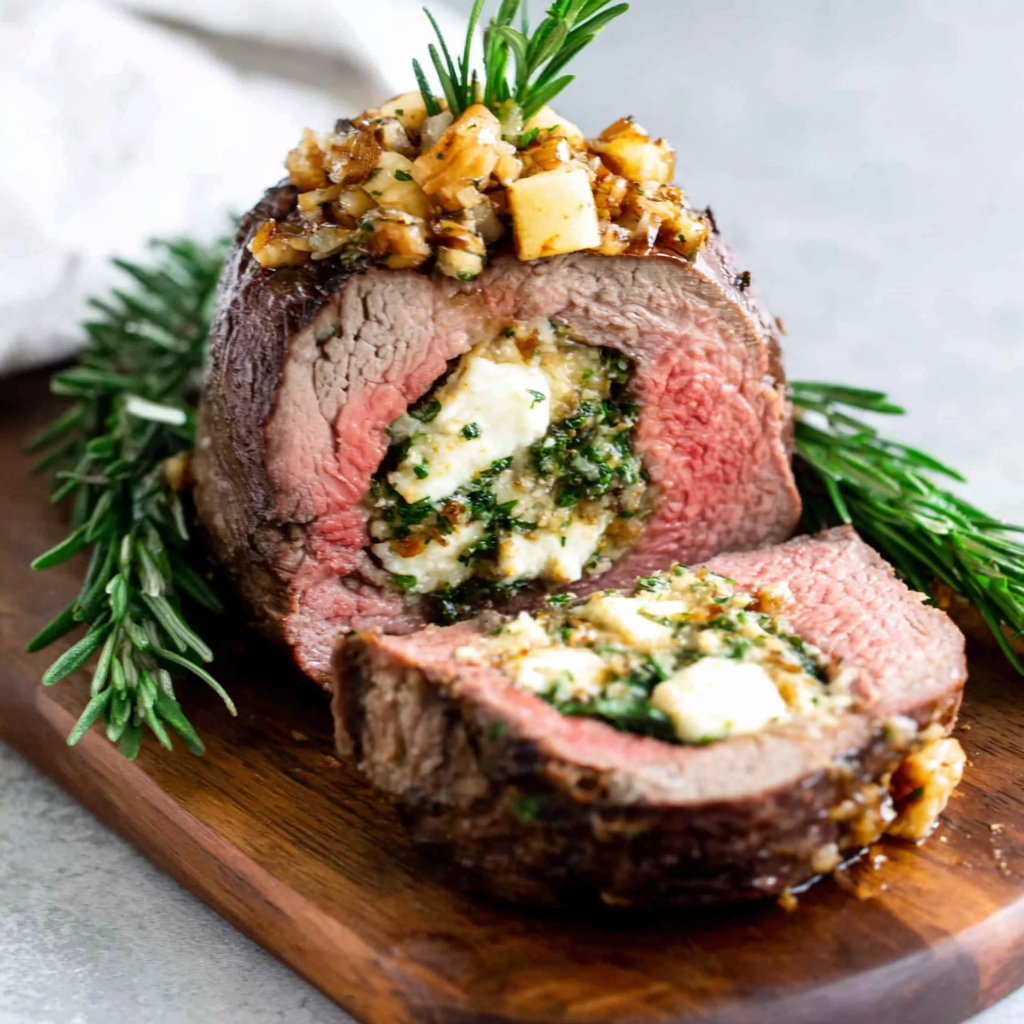
As the festive season approaches, the allure of a perfectly cooked beef tenderloin captivates many home cooks. The combination of tender meat with a flavorful stuffing sets an impressive stage for holiday gatherings.
Stuffed beef tenderloin not only showcases culinary skill but also provides a feast for the senses. The meal can embody holiday spirit, bringing warmth and joy to family and friends around the table.
Ingredients
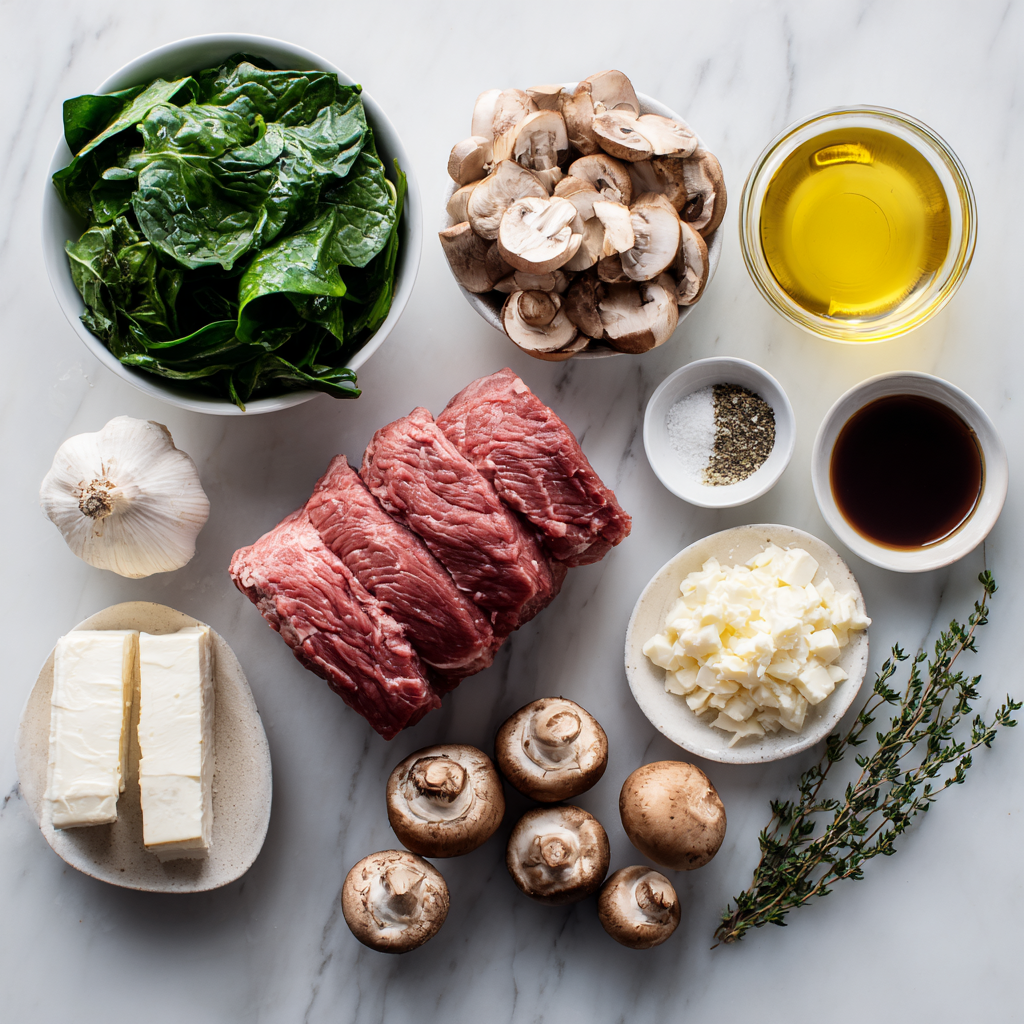
- 2 pounds beef tenderloin
The centerpiece of this dish, beef tenderloin is prized for its tenderness and mild flavor. Searing it creates a savory crust, sealing in juices. - 1 cup spinach, chopped
Fresh spinach adds a vibrant color and a light earthy flavor to the stuffing. It provides nutritional benefits while enhancing the overall taste profile. - 1 cup mushrooms, finely chopped
Mushrooms contribute umami and depth to the stuffing, delivering rich savory notes that complement the beef perfectly. - 1/2 cup cream cheese, softened
Cream cheese acts as a binder in the stuffing, adding a creamy texture and tangy richness that enhances the filling’s flavor. - 1/4 cup grated Parmesan cheese
Parmesan provides a salty, nutty contrast that intensifies the flavors of the stuffing while helping it caramelize during baking. - 2 cloves garlic, minced
Garlic adds aromatic depth and a robust flavor to the stuffing, ensuring each bite is savory and inviting. - 2 tablespoons fresh thyme, chopped
Fresh thyme brings a delightful herby fragrance, brightening the rich flavors of the beef and stuffing while providing a seasonal touch. - Salt and pepper to taste
Essential for flavor enhancement, salt and pepper balance the ingredients and highlight the dish’s natural flavors. - 2 tablespoons olive oil
Olive oil is key for searing the beef, enhancing its flavor through caramelization and ensuring a moist, tender result. - 1 cup beef broth
Beef broth is used for basting and creating a flavorful sauce, enhancing the dish’s richness and moisture during cooking.
Directions & Preparation
Step 1: Preheat your oven to 400°F (200°C).
Preheating the oven is crucial for even cooking. A hot oven ensures the tenderloin sears properly, creating a caramelized crust that maximizes flavor.
Step 2: Prepare the stuffing by sautéing the mushrooms and garlic in olive oil.
Sautéing mushrooms and garlic releases their flavors and moisture, reducing the stuffing’s overall water content while enhancing its depth, making it richer.
Step 3: In a bowl, mix together sautéed mushrooms, spinach, cream cheese, Parmesan, thyme, salt, and pepper.
Combining these ingredients allows for a uniform distribution of flavors and textures. This will be the exciting marriage of flavors that complements the beef.
Step 4: Butterfly the beef tenderloin and season with salt and pepper.
Butterflying helps create an even cooking surface. Seasoning ensures that each layer of the meat is flavorful, deepening the overall taste.
Step 5: Spread the stuffing evenly within the beef and roll it tightly.
Evenly distributing the stuffing ensures consistent flavor in every bite. Rolling tightly reduces the risk of stuffing spilling out during cooking.
Step 6: Tie the rolled tenderloin with kitchen twine to secure the stuffing.
Securing the beef with twine keeps the stuffing intact and ensures the tenderloin maintains its shape while cooking, promoting even doneness.
Step 7: Sear the beef tenderloin in a hot skillet with olive oil until browned on all sides.
Searing creates a flavorful exterior through the Maillard reaction, enhancing the overall taste and aesthetic before finishing in the oven.
Step 8: Transfer the tenderloin to a roasting pan and pour the beef broth around it.
This step not only keeps the meat moist while roasting but also infuses additional flavor into the dish, creating a sumptuous sauce.
Step 9: Roast in the oven for 25-30 minutes, or until internal temperature reaches 130°F for medium-rare.
Monitoring the internal temperature is vital to prevent overcooking. Remove the tenderloin once it reaches the desired doneness for optimal tenderness.
Step 10: Allow the tenderloin to rest for 10 minutes before slicing.
Resting the meat is essential as it allows juices to redistribute, resulting in a juicier and more flavorful roast when sliced.
Flavorful Stuffing Variations
While the suggested stuffing is delectable, feel free to explore various combinations. You could incorporate sun-dried tomatoes, fontina cheese, or roasted red peppers for a Mediterranean twist. Each variation brings a unique taste profile, ensuring you can personalize the dish to suit different palates.
Achieving Perfect Doneness
To ensure your beef tenderloin is cooked to perfection, invest in a reliable meat thermometer. For medium-rare, the target internal temperature is around 130°F; for medium, aim for 140°F. Keeping a close watch on these temperatures will guarantee juiciness and tenderness, avoiding the common pitfall of overcooking.
Pairing Sides for a Festive Feast
Consider pairing your stuffed tenderloin with seasonal sides to create a harmonious meal. Roasted root vegetables, creamy garlic mashed potatoes, or a refreshing冬green salad with pomegranate would complement the beef beautifully, enhancing the entire dining experience.
FAQs
What if the beef tenderloin unrolls while cooking?
If the tenderloin starts to unroll, a tighter knot with the kitchen twine can secure it better. Also, consider using toothpicks in addition to twine for extra stability.
How do I know when the beef is cooked to my preference?
Using a meat thermometer is the best way to check doneness. For medium-rare, it should reach 130°F; for medium, 140°F.
Can I use a different protein for stuffing?
Certainly! Pork tenderloin or chicken can serve as great alternatives to beef. Adjust cooking times accordingly, ensuring even doneness.
What should I do if the stuffing appears too dry?
If the stuffing seems dry, you can add a little more cream cheese or a splash of beef broth before stuffing to enhance moisture without sacrificing flavor.
Is there a way to enhance the flavor of the beef tenderloin further?
Marinating the beef for a few hours beforehand with herbs and garlic can infuse additional flavor, complementing the stuffing.
What can I serve as a sauce for the beef tenderloin?
Consider reducing the beef broth used for roasting down to concentrate flavors, adding red wine or a touch of balsamic vinegar for a richer sauce.
Conclusion
Creating a Christmas stuffed beef tenderloin may seem ambitious, but with attention to detail, it’s a worthy centerpiece for any festive table. Its flavorful stuffing and succulent meat will surely impress guests.
As you enjoy the warmth of the holiday season, sharing this exquisite dish with loved ones will enhance the spirit of celebration. Embrace the satisfaction of mastering this traditional yet elegant meal, and make lasting memories around your dining table.
Recipe Card
Elegant Christmas Stuffed Beef Tenderloin Dish
Ingredients
- 2 pounds beef tenderloin
- 1 cup spinach chopped
- 1 cup mushrooms finely chopped
- 1/2 cup cream cheese softened
- 1/4 cup grated Parmesan cheese
- 2 cloves garlic minced
- 2 tablespoons fresh thyme chopped
- Salt and pepper to taste
- 2 tablespoons olive oil
- 1 cup beef broth
Instructions
- Preheat your oven to 400°F (200°C).
- Prepare the stuffing by sautéing the mushrooms and garlic in olive oil.
- In a bowl, mix together sautéed mushrooms, spinach, cream cheese, Parmesan, thyme, salt, and pepper.
- Butterfly the beef tenderloin and season with salt and pepper.
- Spread the stuffing evenly within the beef and roll it tightly.
- Tie the rolled tenderloin with kitchen twine to secure the stuffing.
- Sear the beef tenderloin in a hot skillet with olive oil until browned on all sides.
- Transfer the tenderloin to a roasting pan and pour the beef broth around it.
- Roast in the oven for 25-30 minutes, or until internal temperature reaches 130°F for medium-rare.
- Allow the tenderloin to rest for 10 minutes before slicing.
Notes
Additional serving suggestions: pair with a crisp salad, garlic bread, or roasted seasonal vegetables for balance.
For make-ahead, prep components separately and assemble just before heating to preserve texture.
Taste and adjust with acid (lemon/vinegar) and salt right at the end to wake up flavors.