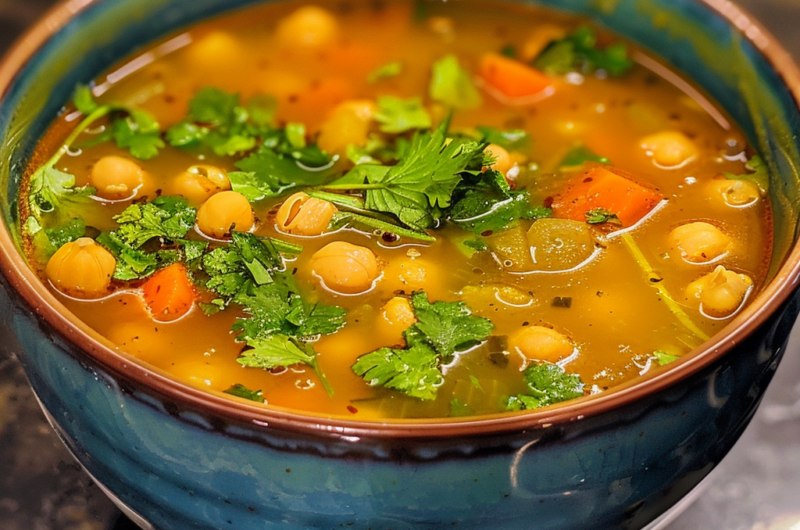
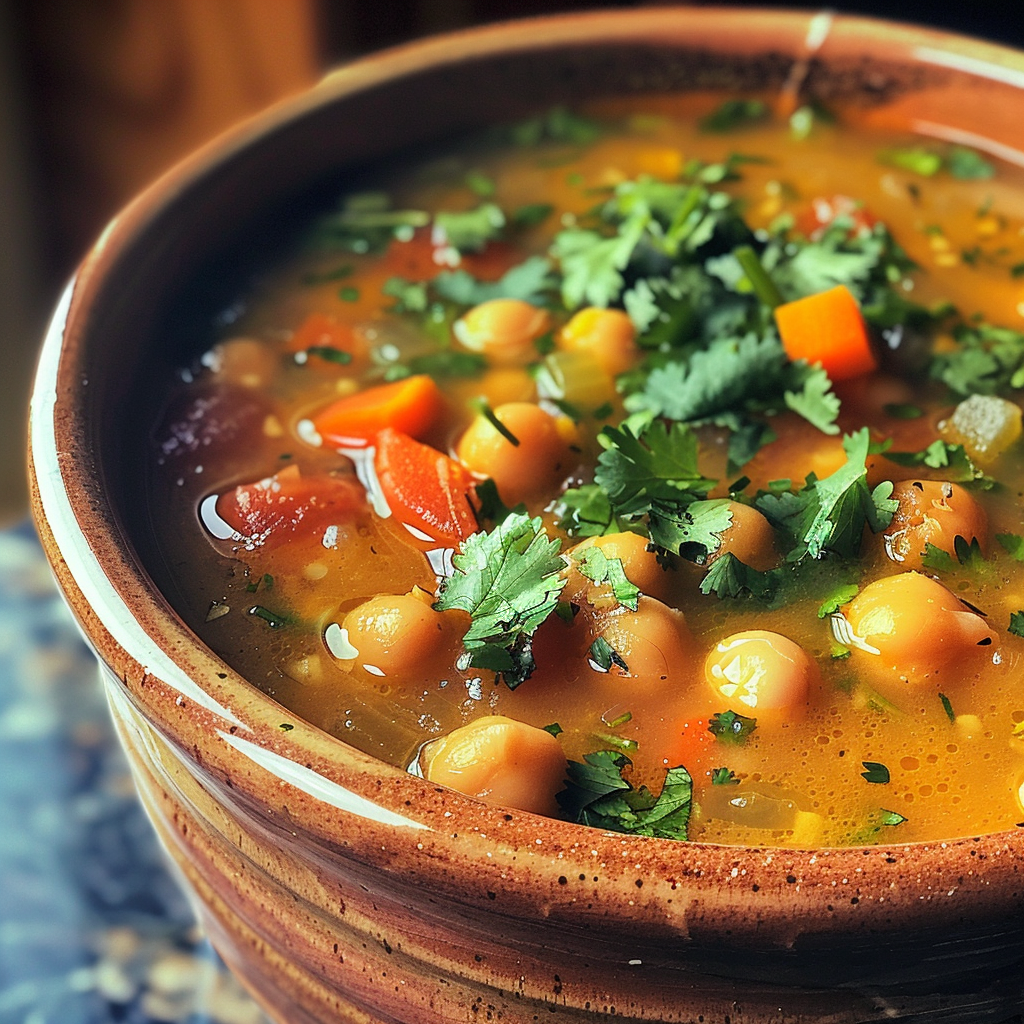
A vibrant, restorative bowl loaded with turmeric, ginger, and hearty vegetables — ready in 30 minutes.
📋 In This Article
- Introduction
- Why This Soup Works: The Science Behind the Immunity Boost
- The Mediterranean Advantage: A Holistic Approach to Wellness
- Ingredients You’ll Need
- Step-by-Step Cooking Instructions
- Pro Tips for the Best Soup
- Common Mistakes to Avoid
- Variations & Customizations
- Storage & Reheating Tips
- Frequently Asked Questions (FAQ)
Introduction
Let’s be honest: most “immunity-boosting” recipes taste like well-intentioned cardboard. This Immunity-Boosting Mediterranean Chickpea and Vegetable Soup with Turmeric and Ginger is the exception. It relies on the foundational principles of the Mediterranean diet—good olive oil, aromatic vegetables, and protein-rich legumes—to build flavor first, with the health benefits acting as a happy side effect. I’ve spent years testing soup ratios, and getting the balance of earthy turmeric against the bright pop of lemon and the robust texture of chickpeas took some tweaking. This isn’t just a nutrient delivery system; it’s a legitimately delicious dinner that happens to be packed with anti-inflammatory ingredients.
Why This Soup Works: The Science Behind the Immunity Boost
Immunity-Boosting Mediterranean Chickpea and Vegetable Soup with Turmeric and Ginger works because it leverages specific chemical compounds without sacrificing taste. The star players here are curcumin and gingerol. Curcumin, found in turmeric, is a potent anti-inflammatory, but it has a catch: it’s notoriously difficult for the human body to absorb on its own. That’s why this recipe includes a generous crack of black pepper. Piperine, the compound responsible for pepper’s heat, inhibits certain liver enzymes and has been shown to increase curcumin absorption by up to 2,000%.
Then there’s the aromatics. When you sauté onions and garlic, you’re doing more than building a flavor base. Heat deactivates allicin—the medicinal compound in raw garlic—but if you let crushed garlic rest for ten minutes before applying heat, the enzyme alliinase has time to convert alliin into stable, beneficial allicin derivatives. We treat our aromatics with respect here, not just tossing them in boiling water. Finally, the chickpeas. They bring fiber to feed your gut microbiome, where roughly 70% of your immune system actually lives. It’s all connected.
The Mediterranean Advantage: A Holistic Approach to Wellness
The Mediterranean diet isn’t a set of strict rules; it’s a framework that prioritizes whole foods and healthy fats. This soup captures that essence by using extra virgin olive oil as a cooking medium rather than neutral oils. Olive oil is rich in oleocanthal, which mimics the anti-inflammatory effects of ibuprofen—nature’s ibuprofen, if you will. By combining this fat with oil-soluble vitamins in the carrots and leafy greens, you ensure maximum nutrient uptake. It’s a symphony of ingredients working in concert, rather than a solo act.
Ingredients You’ll Need
To build a soup with this much depth, you need ingredients that pull their weight.
Produce
- Fresh Turmeric: Look for firm, bright rhizomes. Fresh turmeric offers an earthy, slightly bitter intensity that dried powder simply can’t match. If you can’t find it, substitute 1 teaspoon ground turmeric, but add it with the spices, not the aromatics.
- Fresh Ginger: Essential for that spicy, zesty kick. Fresh is best here.
- Garlic: Use plump, firm cloves. Mince them finely so they distribute evenly.
- Onion: A yellow onion provides a sweet, savory base.
- Carrots: These add natural sweetness to balance the bitterness of the turmeric.
- Celery: For aromatic depth.
- Bell Pepper: Red or yellow offers high vitamin C content and a pop of color.
- Leafy Greens: Lacinato kale or Swiss chard hold their texture better than spinach, which can get slimy if overcooked.
- Diced Tomatoes: Canned San Marzano tomatoes offer consistent acidity and umami.
Pantry
- Canned Chickpeas: Rinse them thoroughly. That canning liquid (aquafaba) is great for vegan meringues, but it can make soup slimy.
- Vegetable Broth: Use a high-quality brand or homemade. If using store-bought, taste for salt levels before adding more.
- Olive Oil: Extra virgin is the way to go.
- Lemon Juice: Acid is non-negotiable. It brightens the heavy earthiness of the spices.
- Salt: Kosher salt is best for control.
Spices
- Ground Cumin and Coriander: These provide the warm, toasty undertones typical of Mediterranean cuisine.
- Black Pepper: Freshly cracked. This is critical for activating the turmeric.
Fresh Herbs
- Parsley and Cilantro: Add these at the very end to preserve their volatile oils and fresh flavor.
Step-by-Step Cooking Instructions
Preparation Time: 10 minutes Cooking Time: 30 minutes
- Prepare Your Ingredients: Chop the onion, mince the garlic, and dice the red bell pepper. Slice the Swiss chard or kale into strips, separating the stems from the leaves if using chard. Chop the stems finely; they add a nice crunch. I used to rush this prep step, but having everything ready before the heat goes on makes the actual cooking stress-free.
- Sauté Aromatics: In a large heavy-bottomed pot or Dutch oven, heat 2 tablespoons of olive oil over medium heat until it shimmers. Add the chopped onion and a pinch of salt. Sauté until translucent, about 5 minutes. Add the minced garlic and cook for another minute until fragrant. Be careful not to burn the garlic; if it browns, it turns bitter.
- Bloom the Spices: Stir in the diced red bell pepper and the hardy vegetable stems (if using). Add 1 tablespoon of freshly grated turmeric, 1 tablespoon of grated ginger, 1 teaspoon ground cumin, and 1 teaspoon coriander. Sauté these for about 3 minutes. This step is often skipped, but blooming spices in hot fat “awakens” their essential oils, making them soluble and dispersing their flavor throughout the soup rather than just floating on top.
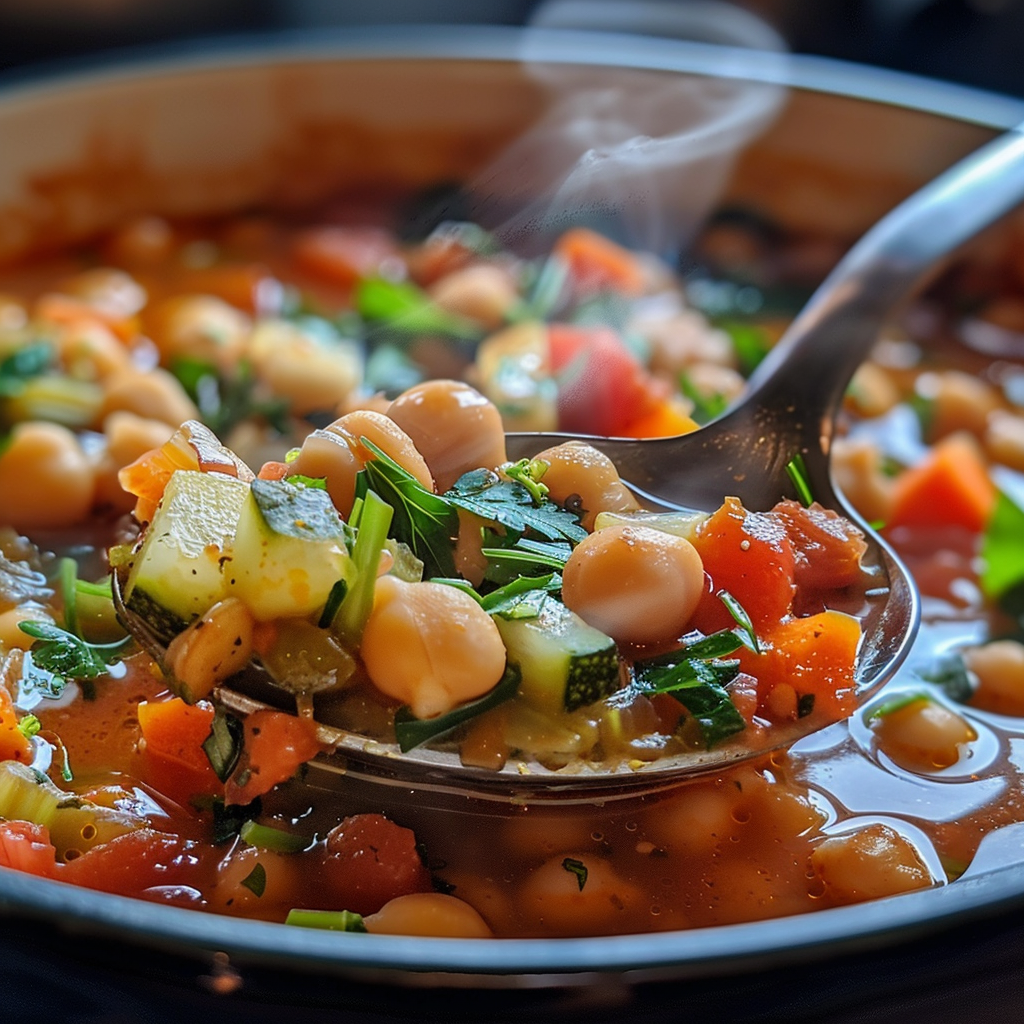
- Deglaze and Simmer: Pour in 4 cups of vegetable broth. Use a wooden spoon to scrape up any fond (those browned bits stuck to the bottom of the pot)—that is pure flavor. Add 1 can of drained and rinsed chickpeas and the can of diced tomatoes. Bring the mixture to a boil, then reduce the heat to low and let it simmer gently for 15 minutes.
- Add Greens: Stir in the leafy greens (kale or chard leaves). Simmer for another 5 minutes just until the greens are tender. Overcooking greens degrades their vibrant color and texture, so keep an eye on them.
- Season and Serve: Turn off the heat. Stir in the juice of half a lemon and taste. Does it pop? If it tastes flat, it likely needs more salt or a touch more lemon. Serve hot, garnished with fresh herbs and an extra crack of black pepper.
💡 Pro Tips for the Best Soup
- Grate Frozen Ginger: Keep your ginger root in the freezer. It grates much more easily, and the peel comes right off. No more fibrous chunks in your soup.
- Don’t Skip the Pepper: It bears repeating. Without piperine from black pepper, the curcumin in turmeric passes through your system largely unabsorbed.
- Taste as You Go: Vegetable broth brands vary wildly in sodium. Start with less salt than the recipe calls for and adjust at the end.
⚠️ Common Mistakes to Avoid
Even a simple soup can go wrong if you aren’t paying attention to the details.
One major mistake is boiling the soup aggressively. A rolling boil pulverizes the vegetables into mush and can make the broth cloudy. You want a gentle simmer—just a few bubbles breaking the surface. This allows the flavors to meld without destroying the texture of the chickpeas and greens.
Another error is adding the lemon juice too early. Acid changes the structure of the vegetables, specifically hemicellulose, making them firmer and slowing down the cooking process. If you add lemon juice at the start, your carrots and chickpeas might stay tough no matter how long you cook them. Always add acid at the very end to preserve that bright, fresh note.
Variations & Customizations
This recipe is a template, not a strict law.
For a protein boost, add diced cooked chicken breast during the last 5 minutes of simmering, or serve with a poached egg on top. If you need extra fiber and greens, stir in a cup of cooked quinoa or swap the chickpeas for French lentils, which hold their shape beautifully in soups. If you want a spicier kick, increase the ginger or add a pinch of red pepper flakes along with the other spices in step 3.
Storage & Reheating Tips
This soup stores remarkably well, making it ideal for meal prep. For refrigeration, let the soup cool completely before transferring it to an airtight container. It will keep for up to 5 days in the fridge. In fact, the flavor often improves the next day as the spices have more time to permeate the chickpeas and vegetables.
For freezing, portion the soup into freezer-safe bags or containers, leaving an inch of headspace for expansion. It will keep for up to 3 months. Keep in mind that the texture of the leafy greens will soften upon reheating, though the flavor remains excellent.
To reheat, the stovetop is best. Pour the soup into a pot and warm it over medium-low heat, stirring occasionally, until it reaches 165°F (74°C). If you’re short on time, the microwave works too—heat in 90-second intervals, stirring in between to eliminate cold spots.
Frequently Asked Questions (FAQ)
+Can I use ground turmeric instead of fresh turmeric?
Yes, you can substitute ground turmeric for fresh. Use 1 teaspoon of ground turmeric for every tablespoon of fresh called for in the recipe. Add it during the spice blooming step to ensure it cooks off the raw, dusty flavor.
+Why does my soup taste bitter?
Turmeric has an earthy, slightly bitter profile that can overwhelm a dish if used too heavily. To balance it, ensure you have enough salt and add a splash of acid, like lemon juice or apple cider vinegar. Fat also helps mellow bitterness, so drizzle in a little extra olive oil.
+Can I make this soup in a slow cooker?
Absolutely. Sauté the onions, garlic, and spices in a pan first (Step 2 and 3) to develop the flavor base, then transfer everything except the leafy greens to the slow cooker. Cook on low for 6-7 hours or high for 3-4 hours. Add the greens in the last 20 minutes of cooking.
+How do I know when the soup is done?
The soup is ready when the carrots are tender when pierced with a fork and the greens are wilted but still retain a bit of texture. Since there are no raw meats to cook through, the primary goal is vegetable tenderness and flavor integration.