Introduction
Cooking dinner can often feel like a routine task, but it doesn’t have to be bland. With a little creativity and fresh ingredients, weeknight dinners can transform into exciting culinary adventures. Whether you’re a seasoned chef or a beginner, exploring unique ways to prepare vegetables can introduce flavor, texture, and some fun into your meals.
This article presents inventive veggie dinner ideas that are not only easy to prepare but also packed with nutrients. From hearty stews to vibrant stir-fries, these recipes invite you to celebrate seasonal produce while keeping your taste buds satisfied. It’s time to embrace the natural beauty and versatility of vegetables.
Ingredients
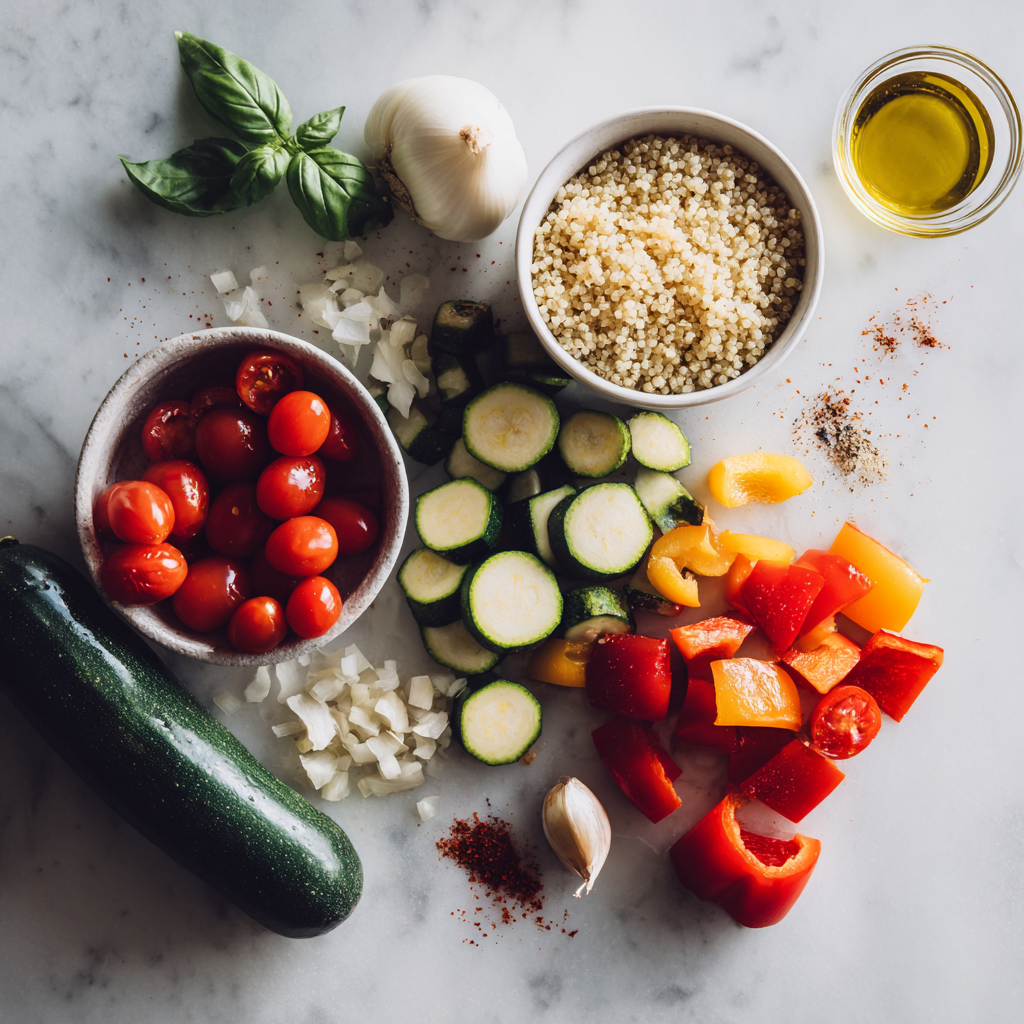
- 2 cups quinoa
This whole grain serves as a high-protein base, ideal for a satisfying meal. Quinoa is gluten-free and offers essential amino acids, making it a great option for plant-based diets. - 1 cup cherry tomatoes, halved
These sweet little gems bring a burst of flavor and color to your dish. Rich in antioxidants and vitamins, cherry tomatoes add juicy freshness to the meal. - 1 bell pepper, diced
Bell peppers add crunch and sweetness, complementing other flavors. They are also loaded with vitamins A and C, promoting overall health. - 1 zucchini, sliced
Zucchini provides moisture and a delicate flavor. Its light texture absorbs other ingredients wonderfully while ramping up the veggie content. - 1 medium onion, diced
Onions provide a savory, aromatic base to dishes, enhancing overall flavor. They also add complexity to the meal and contain beneficial compounds for immunity. - 2 cloves garlic, minced
Garlic delivers a pungent kick that’s crucial for flavor overhauls. It possesses health benefits that can boost heart health and add aromatic depth. - 1 teaspoon smoked paprika
This spice infuses a subtle smokiness, layering flavors without overpowering. It adds a depth of dimension and richness to your hearty dishes. - Salt and pepper to taste
Essential for balancing flavors, the right seasoning elevates any dish, ensuring all the ingredients shine through. - 2 tablespoons olive oil
A staple in cooking, olive oil aids in sautéing and roasting, enhancing the dish’s richness while providing healthful fats. - Fresh basil, for garnish
Basil adds a refreshing herbal note to the finished dish, offering a burst of freshness that ties all flavors together beautifully.
Directions & Preparation
Step 1: Prepare the quinoa.
Start by rinsing the quinoa under cold water to remove its natural bitterness. Then, combine it with two cups of water in a pot. Bring to a boil, then reduce heat and cover, simmering for about 15 minutes until the water is absorbed and the quinoa is fluffy. This base will soak up flavors beautifully as the other ingredients cook.
Step 2: Sauté the onions and garlic.
In a large skillet, heat the olive oil over medium heat. Once hot, add the diced onions and sauté until they are translucent, about 5 minutes. Then, add the minced garlic and cook for another minute until fragrant. This step builds a flavorful foundation, infusing the oil with the aroma essential for a delicious veggie dinner.
Step 3: Add bell peppers and zucchini.
Stir in the diced bell peppers and sliced zucchini, cooking them for about 5-7 minutes until they begin to soften. This step introduces texture and additional flavors, allowing the peppers to retain a bit of crunch while the zucchini becomes tender, blending harmoniously with the other ingredients.
Step 4: Incorporate tomatoes and spices.
Add halved cherry tomatoes and sprinkle in the smoked paprika, salt, and pepper. Stir to combine and cook for another 3-4 minutes until the tomatoes burst and release their juices. This infusion creates a vibrant sauce that coats the veggies, enhancing the overall dish while maintaining a fresh taste.
Step 5: Combine with quinoa and garnish.
Once the veggies are cooked, add the fluffy quinoa to the skillet, mixing gently to combine all components. Cook for an additional 2-3 minutes to let the flavors meld. Finally, garnish with fresh basil before serving. This final step showcases the vibrant colors of your meal, presenting a fulfilling dish ready to enjoy.
Experiencing the Flavor of Seasonal Veggies
Harnessing seasonal vegetables not only supports local agriculture but also ensures the freshest flavors. By selecting vegetables that are in season, you’ll bring out their natural sweetness and character. For instance, using heirloom tomatoes in summer or root vegetables in winter can enhance your dishes, providing rich colors and nutrients that make your meals vibrant and satisfying.
Boosting Nutrition with Texture
When cooking veggies, consider how different textures can elevate your meal. Mixing crisp bell peppers with tender zucchini provides a balance that makes each bite interesting. Adding nuts or seeds can introduce crunch, while leafy greens can offer a fresh, contrasting texture. This thoughtful approach ensures that every forkful is not only tasty but also visually appealing and nourishing.
The Art of Flavor Pairing
Pairing flavors thoughtfully can transform simple dishes into unforgettable experiences. For example, the sweetness of cherry tomatoes complements the smokiness of paprika, while the freshness of basil brightens the dish. Understanding how different ingredients interact can help you create naturally layered flavors, enhancing your overall cooking experience and encouraging creativity in the kitchen.
FAQs
What if my veggies turn out too soggy?
Ensure not to overcook your vegetables; monitoring their texture during sautéing is essential for achieving the right balance.
Can I add different vegetables to the mix?
Absolutely! Feel free to experiment with your favorite veggies. Just make sure they have similar cooking times to avoid uneven cooking.
What if my dish tastes bland after cooking?
Adjust the seasoning gradually. You can sprinkle more salt, pepper, or smoked paprika to enhance the overall flavor.
Is there a vegan way to enhance the protein in this dish?
You can easily incorporate canned chickpeas or black beans, which will complement the flavors while boosting protein content.
What can I do if I want more spice?
If you prefer heat, add red pepper flakes or diced jalapeños while sautéing the vegetables for an extra kick.
Can I use leftover cooked grains instead of quinoa?
Definitely! Leftover rice or farro can be substituted seamlessly, providing a great way to utilize what’s already in your fridge.
Conclusion
Creating delicious and creative veggie dinners is both fulfilling and enjoyable. By combining fresh ingredients and experimenting with flavors, you can transform how you see and prepare vegetables. These meal ideas not only cater to diverse palates but also celebrate the beauty of plant-based cooking.
As you explore these recipes, remember the key lies in balance—between flavors, textures, and colors. Embrace your creativity and let these dishes inspire you to make veggie dinners a nourishing and enjoyable part of your weeknight routine.
Recipe Card
Inventive Veggie Dinners for Every Palate
Ingredients
- 2 cups quinoa
- 1 cup cherry tomatoes halved
- 1 bell pepper diced
- 1 zucchini sliced
- 1 medium onion diced
- 2 cloves garlic minced
- 1 teaspoon smoked paprika
- Salt and pepper to taste
- 2 tablespoons olive oil
- Fresh basil for garnish
Instructions
- Prepare the quinoa.
- Sauté the onions and garlic.
- Add bell peppers and zucchini.
- Incorporate tomatoes and spices.
- Combine with quinoa and garnish.
Notes
Additional serving suggestions: pair with a crisp salad, garlic bread, or roasted seasonal vegetables for balance.
For make-ahead, prep components separately and assemble just before heating to preserve texture.
Taste and adjust with acid (lemon/vinegar) and salt right at the end to wake up flavors.