Introduction
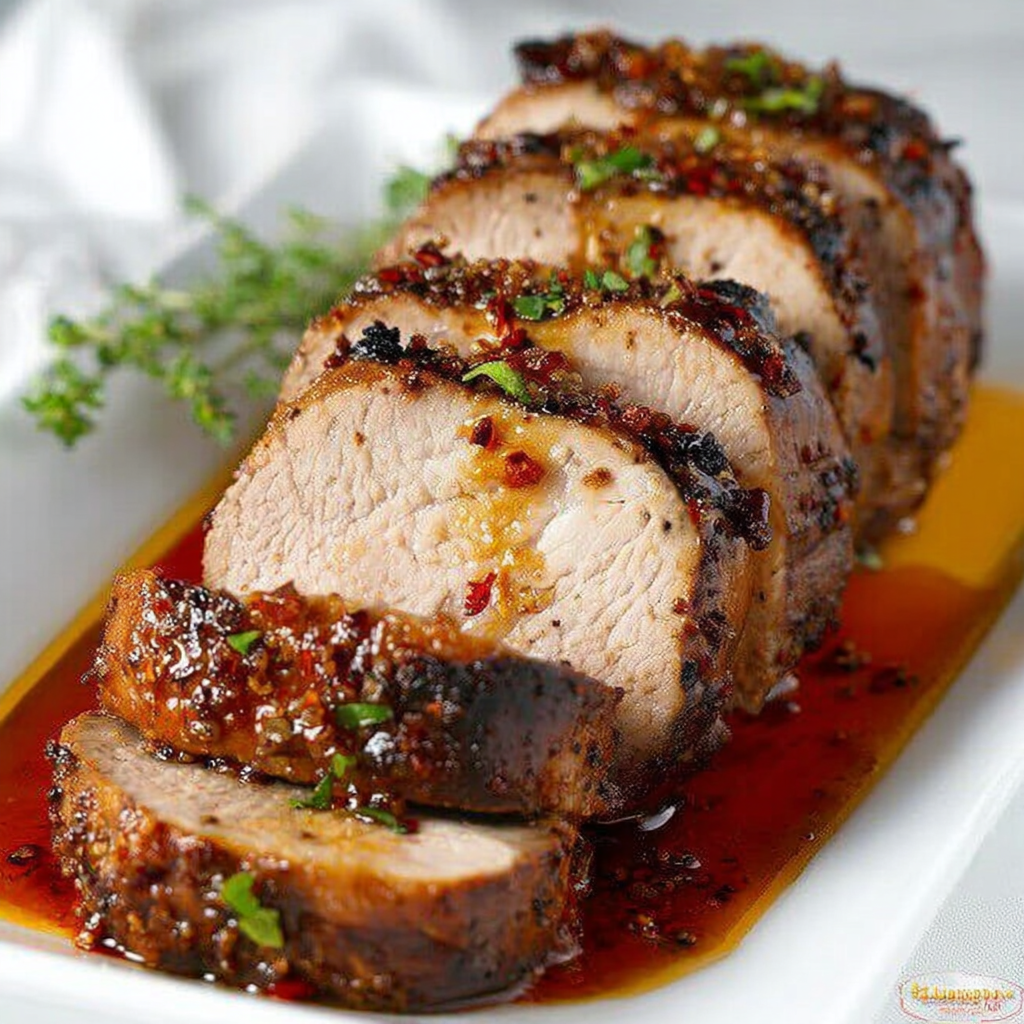
Pork tenderloin, often overlooked for its flavor and tenderness, can transform a simple dinner into an extraordinary meal. When cooked correctly, this cut offers a succulent and moist experience that delights any palate. Its versatility allows for a variety of seasonings and cooking methods, making it a staple for home cooks.
Preparing a juicy and tender pork tenderloin roast can be easy, provided you follow a few crucial steps. From selecting the right marinade to achieving the perfect cooking temperature, attention to detail is essential for maximizing flavor and texture. Get ready to impress your family or guests with this delightful dish!
Ingredients
- 2 lb pork tenderloin
The star of the dish, pork tenderloin is a lean cut that's known for its tenderness and quick cooking time. It’s important to use a high-quality piece, as this will make a significant difference in flavor and juiciness. - 2 tbsp olive oil
Olive oil adds richness to the pork and helps with browning. It also serves as a base for the seasoning to adhere better, enhancing the flavor profile of the meat. - 4 cloves garlic, minced
Garlic infuses the roast with a deep and aromatic flavor. It complements the natural sweetness of the pork, making each bite a burst of savory richness. - 1 tbsp fresh rosemary, chopped
Rosemary adds a piney, herbaceous note that elevates the dish. Its flavors pair exceptionally well with pork, bringing out the meat's natural taste. - 1 tsp salt
Salt enhances the natural flavors of the pork. It also helps to draw moisture into the meat, which is crucial for achieving that juicy texture. - 1/2 tsp black pepper
Black pepper adds a subtle heat and depth to the dish. It balances the sweetness of the pork and garlic, creating a well-rounded flavor. - 1/2 cup chicken broth
Chicken broth keeps the pork moist while roasting and acts as a flavorful base for any sauces you may want to create after cooking. - 1 tbsp balsamic vinegar
Balsamic vinegar adds a touch of acidity and sweetness, which can help cut through the richness of the pork, enhancing the overall taste profile.
Directions & Preparation
Step 1: Preheat your oven to 400°F (200°C).
Preheating the oven ensures that the pork roast cooks evenly from the start. A high temperature will help create a nice caramelization on the outside while keeping the inside juicy.
Step 2: Prepare the marinade by mixing olive oil, garlic, rosemary, salt, and black pepper in a bowl.
A well-combined marinade infuses flavor into the pork tenderloin. Allowing the garlic and herbs to mingle with the oil helps to maximize their aromatic qualities, which will enhance the overall taste.
Step 3: Rub the marinade all over the pork tenderloin, ensuring it’s well coated.
Getting the marinade to adhere effectively is crucial for developing flavor. Make sure to cover all sides of the tenderloin to ensure every bite is packed with taste.
Step 4: Heat a large oven-safe skillet over medium-high heat and add the seasoned pork tenderloin.
Searing the pork in a hot skillet helps to lock in juices and create a beautiful crust. This step adds depth to the flavor and prepares the meat for roasting.
Step 5: Sear for about 3-4 minutes on each side until browned.
Browning the pork not only enhances flavor through the Maillard reaction but also creates a visually appealing crust that adds texture to the dish.
Step 6: Pour chicken broth and balsamic vinegar into the skillet around the pork.
Adding liquid to the skillet prevents the pork from drying out during roasting. The broth will also create a delicious base for any sauce you want to serve.
Step 7: Transfer the skillet to the preheated oven and roast for 20-25 minutes, or until the internal temperature reaches 145°F (63°C).
Monitoring the internal temperature is vital for achieving tenderness. By removing the pork at the right moment, you ensure that it remains juicy and is perfectly cooked.
Step 8: Let the pork rest for 5-10 minutes before slicing.
Resting the meat allows the juices to redistribute throughout the pork, ensuring that it stays juicy when sliced. This step is often overlooked but is crucial for the best eating experience.
Step 9: Slice and serve with the pan juices or your choice of sauce.
Serving the pork with pan juices or a sauce brings additional flavor and moisture to the dish. Slicing against the grain also ensures the meat remains tender and easy to chew.

Choosing Your Pork Tenderloin
Selecting a quality pork tenderloin is key to achieving the best results. Look for a cut that is pink in color with minimal marbling, which indicates a healthy piece with flavor. Organic or locally sourced options are recommended for superior taste, as they often signify better rearing conditions.
Perfecting the Marinade
The right marinade can elevate your pork tenderloin to new heights. Fresh herbs, spices, and aromatics like garlic create a robust flavor profile. Allowing the pork to marinate for at least 30 minutes—or ideally overnight—enables the flavors to thoroughly penetrate the meat, resulting in a more delectable roast.
Resting: A Crucial Step
After roasting, resting the pork is a crucial step that shouldn't be rushed. This brief period allows the internal juices to settle, preventing them from spilling out when you slice into the meat. The result? A beautifully juicy tenderloin that melts in your mouth.
FAQs
Can I use this recipe for a larger pork tenderloin?
Yes, you can scale the ingredients accordingly, but be sure to adjust the cooking time to ensure it reaches the appropriate internal temperature.
What should I do if the pork tenderloin is overcooked?
If your pork is overcooked and dry, try adding a rich sauce or gravy to enhance moisture. Slicing it thin can also help make it easier to enjoy.
Can I add more spices to the marinade?
Absolutely! Feel free to play with spices like paprika or cumin for added depth. Just be mindful of strong flavors that might overwhelm the pork.
Is it possible to sear the pork on an outdoor grill?
Yes, searing on a grill is a great option. Just ensure your grill is hot and follow the same timing for perfect browning.
How do I know when the pork is perfectly cooked?
Using a meat thermometer is the best way. The internal temperature should reach 145°F (63°C) for optimal juiciness.
Can I use a different type of meat?
While this recipe is designed for pork tenderloin, you can try it with chicken breasts or beef tenderloin, adjusting cooking times as needed.
Conclusion
With its tender, juicy texture and rich flavor, pork tenderloin can win over even the pickiest of eaters. By following this recipe and tips on preparation, you’ll achieve a dish that is both mouthwatering and impressive.
Embrace your culinary skills and enjoy a wonderful meal that highlights the best on a pork tenderloin roast. As you perfect your cooking technique, you may find endless possibilities to explore with different seasoning combinations and sides.
Recipe Card
Juicy and Tender Pork Tenderloin Roast Recipe
Ingredients
- 2 lb pork tenderloin
- 2 tbsp olive oil
- 4 cloves garlic minced
- 1 tbsp fresh rosemary chopped
- 1 tsp salt
- 1/2 tsp black pepper
- 1/2 cup chicken broth
- 1 tbsp balsamic vinegar
Instructions
- Preheat your oven to 400°F (200°C).
- Prepare the marinade by mixing olive oil, garlic, rosemary, salt, and black pepper in a bowl.
- Rub the marinade all over the pork tenderloin, ensuring it’s well coated.
- Heat a large oven-safe skillet over medium-high heat and add the seasoned pork tenderloin.
- Sear for about 3-4 minutes on each side until browned.
- Pour chicken broth and balsamic vinegar into the skillet around the pork.
- Transfer the skillet to the preheated oven and roast for 20-25 minutes, or until the internal temperature reaches 145°F (63°C).
- Let the pork rest for 5-10 minutes before slicing.
- Slice and serve with the pan juices or your choice of sauce.
Notes
Additional serving suggestions: pair with a crisp salad, garlic bread, or roasted seasonal vegetables for balance.
For make-ahead, prep components separately and assemble just before heating to preserve texture.
Taste and adjust with acid (lemon/vinegar) and salt right at the end to wake up flavors.