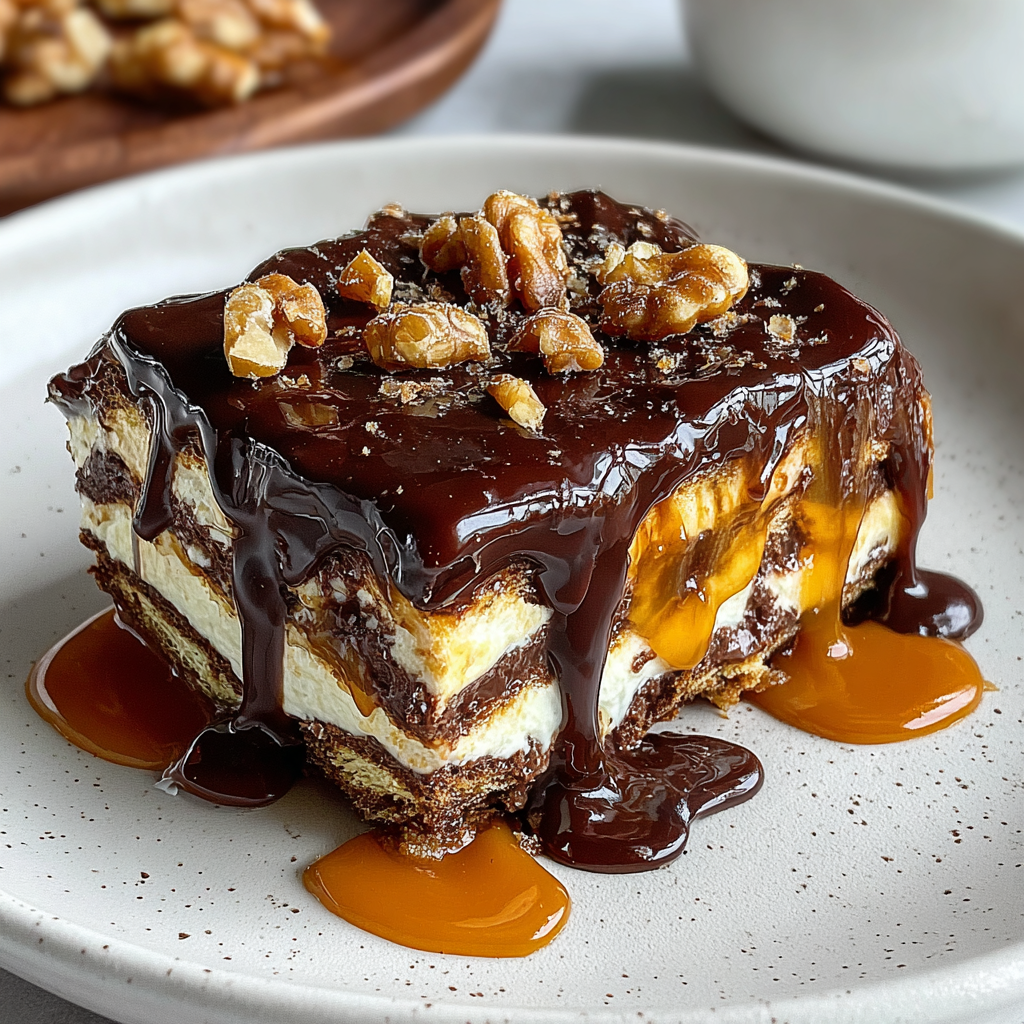
Introduction
Nothing captures the essence of sunshine quite like a well-made orange cake. Bursting with citrus flavor and a delightful sweetness, it's a dessert that uplifts any meal. Ideal for family gatherings, summer barbecues, or a cozy afternoon treat, this cake promises to impress.
The appeal of orange cake lies not just in its flavor but also in its versatility. Whether you prefer a simple loaf or a layered masterpiece, the possibilities are endless. This cake showcases the natural sweetness of oranges, making it a refreshing alternative to heavier desserts.
Ingredients
- 2 cups all-purpose flour
All-purpose flour provides the structure needed for the cake. It allows the cake to rise properly while holding on to the moisture, contributing to a tender crumb. - 1 ½ cups granulated sugar
Sugar not only sweetens the cake but also enhances its moisture and texture. It caramelizes during baking, creating a rich golden crust that adds to the overall appeal. - ½ cup unsalted butter, softened
Butter adds flavor and richness while helping to create a tender texture. The creaming process with sugar incorporates air, contributing to the cake’s leavening. - 3 large eggs
Eggs serve multiple roles, including binding ingredients together and providing moisture. They also contribute to the cake's overall structure and richness. - 1 cup freshly squeezed orange juice
Fresh orange juice adds moisture and a burst of citrus flavor, making the cake refreshing. The acidity in the juice helps to balance the sweetness of the sugar. - Zest of 2 oranges
Orange zest intensifies the citrus flavor, providing a fragrant aroma and a brighter taste in every bite. It enhances the overall flavor profile of the cake. - 1 tablespoon baking powder
Baking powder acts as a leavening agent, helping the cake rise and achieve a light, airy texture. It’s crucial for the cake’s lift and final appearance. - ½ teaspoon salt
Salt is essential for balancing sweetness and enhancing the overall flavors in the cake. It also strengthens the structure by supporting the protein in the flour. - 1 teaspoon vanilla extract
Vanilla extract adds warmth and depth of flavor, complementing the orange and bringing harmony to the overall taste of the cake.
Directions & Preparation
Step 1: Preheat your oven to 350°F (175°C).
Preheating the oven is crucial for ensuring that your cake bakes evenly. This step ensures that when the batter is poured into the pan, it begins cooking at the ideal temperature, allowing for a proper rise and golden crust.
Step 2: In a mixing bowl, cream together the softened butter and sugar.
Creaming butter and sugar is a vital step that incorporates air into the mixture. This helps achieve a light and fluffy texture in your cake. Continue beating until the mixture is pale and fluffy, which usually takes about 3-5 minutes.
Step 3: Add the eggs one at a time, mixing well after each addition.
Incorporating the eggs one by one allows them to evenly blend with the butter and sugar mixture. This step is essential for creating a uniform batter and enhancing the cake's structure.
Step 4: Stir in the orange juice and zest until combined.
Adding the freshly squeezed orange juice and zest at this stage infuses the batter with the citrus flavor. It's important to mix gently to avoid overworking the batter, which can lead to a denser cake.
Step 5: In a separate bowl, whisk together the flour, baking powder, and salt.
Whisking together the dry ingredients helps to evenly distribute the baking powder and salt, ensuring that they activate properly during baking. This step prevents clumping and prepares for a smooth incorporation into the wet mixture.
Step 6: Gradually add the dry ingredients to the wet mixture, mixing just until combined.
This slow addition helps prevent overmixing, which can make the cake tough. Mix until no dry flour is visible; the batter should be slightly lumpy, which is perfectly fine for a tender cake.
Step 7: Pour the batter into a greased and floured cake pan.
Greasing and flouring the pan prevents the cake from sticking, allowing for a clean release once baked. Be sure to choose the right pan size to ensure even baking.
Step 8: Bake for 30–35 minutes, or until a toothpick comes out clean.
Baking the cake until a toothpick inserted into the center comes out clean is key to achieving the right texture. Keeping an eye on it during the last few minutes is important to avoid overcooking or drying out the cake.
Step 9: Allow the cake to cool in the pan for 10 minutes before transferring it to a wire rack.
Letting the cake cool slightly in the pan allows it to firm up, making it easier to remove. Transferring it to a wire rack is essential for proper cooling, which prevents sogginess on the bottom.
Step 10: Once cooled, it can be frosted or dusted with powdered sugar if desired.
Frosting or dusting the cake is optional but adds an appealing visual element and enhances flavor. Choose a light cream cheese frosting or simply sprinkle powdered sugar for a classic finish that complements the citrus.

The Allure of Fresh Ingredients
Using fresh ingredients plays a critical role in making an orange cake truly exceptional. Freshly squeezed orange juice and zest not only provide vibrant flavor but also ensure the cake is moist and aromatic. Avoid bottled orange juice when possible, as it often lacks the brightness and depth that fresh juice imparts. The fresher the ingredients, the more delightful the outcome.
Baking Variations for Creativity
Once you've mastered a basic orange cake, you might be tempted to experiment with various adaptations. Consider adding a hint of almond extract for a nutty touch or incorporating poppy seeds for added texture. You might even explore layering with orange marmalade or a citrus glaze to elevate it further. Each adjustment opens up exciting new dimensions to a classic recipe.
Serving Suggestions to Impress
Presentation can elevate the dining experience when serving your orange cake. Pair slices with a dollop of freshly whipped cream or a scoop of vanilla ice cream for a delightful contrast. Garnishing with thin orange slices or a sprinkle of fresh herbs adds a touch of elegance. Such thoughtful touches not only enhance the visual appeal but also the flavor profile, making every bite unforgettable.
FAQs
What if my cake rises too high?
If the cake rises excessively, ensure you’re not overwhipping the batter and use the right amount of baking powder. Too much leavening can cause it to rise rapidly, leading to a collapse.
Can I replace the granulated sugar with a sugar substitute?
Yes, several sugar substitutes can work, but be sure to use one that measures like sugar to maintain the cake's structure and texture.
Why did my cake taste bland?
A bland cake may result from insufficient orange juice or zest. Always taste your batter before baking and adjust the citrus component if it seems lacking.
How do I know when my cake is overcooked?
If the edges are very dark or the cake pulls away from the sides of the pan, it may be overcooked. A toothpick will also come out clean, but don’t rely solely on that; check for a golden brown appearance as well.
Can I use a different type of flour?
While all-purpose flour is ideal, you can experiment with cake flour for a softer texture or whole wheat flour for a denser outcome. Adjust other ingredients accordingly to balance differences.
Is it possible to add nuts to the batter?
Absolutely! Chopped walnuts or almonds can add delightful crunch and flavor. Just fold them in gently to keep the batter light.
Conclusion
Baking an orange cake is a joyful journey that showcases the beautiful balance of sweetness and tang. Each bite offers a taste of sunshine, making it a perfect addition to your baking repertoire.
Feel free to adapt the recipe as per your taste or occasion. Once you embrace the fundamentals, the world of flavors and variations is yours to explore.
Recipe Card

Luscious Orange Cake for Any Occasion
Ingredients
- 2 cups all-purpose flour
- 1 ½ cups granulated sugar
- ½ cup unsalted butter softened
- 3 large eggs
- 1 cup freshly squeezed orange juice
- Zest of 2 oranges
- 1 tablespoon baking powder
- ½ teaspoon salt
- 1 teaspoon vanilla extract
Instructions
- Preheat your oven to 350°F (175°C).
- In a mixing bowl, cream together the softened butter and sugar.
- Add the eggs one at a time, mixing well after each addition.
- Stir in the orange juice and zest until combined.
- In a separate bowl, whisk together the flour, baking powder, and salt.
- Gradually add the dry ingredients to the wet mixture, mixing just until combined.
- Pour the batter into a greased and floured cake pan.
- Bake for 30–35 minutes, or until a toothpick comes out clean.
- Allow the cake to cool in the pan for 10 minutes before transferring it to a wire rack.
- Once cooled, it can be frosted or dusted with powdered sugar if desired.
Notes
Additional serving suggestions: pair with a crisp salad, garlic bread, or roasted seasonal vegetables for balance.
For make-ahead, prep components separately and assemble just before heating to preserve texture.
Taste and adjust with acid (lemon/vinegar) and salt right at the end to wake up flavors.