Introduction
When it comes to steak, few cuts can rival the ribeye. Renowned for its marbling and rich flavor, this cut delivers an incredible eating experience that is straightforward to prepare at home. Whether you’re grilling, pan-searing, or broiling, the ribeye’s tenderness and juiciness make it a favorite among steak lovers.
Perfect for special occasions or a simple dinner, cooking a ribeye can be both rewarding and enjoyable. With the right approach, you can elevate a simple meal into a culinary delight. Let’s dive into the essentials for crafting the perfect ribeye steak.
Ingredients
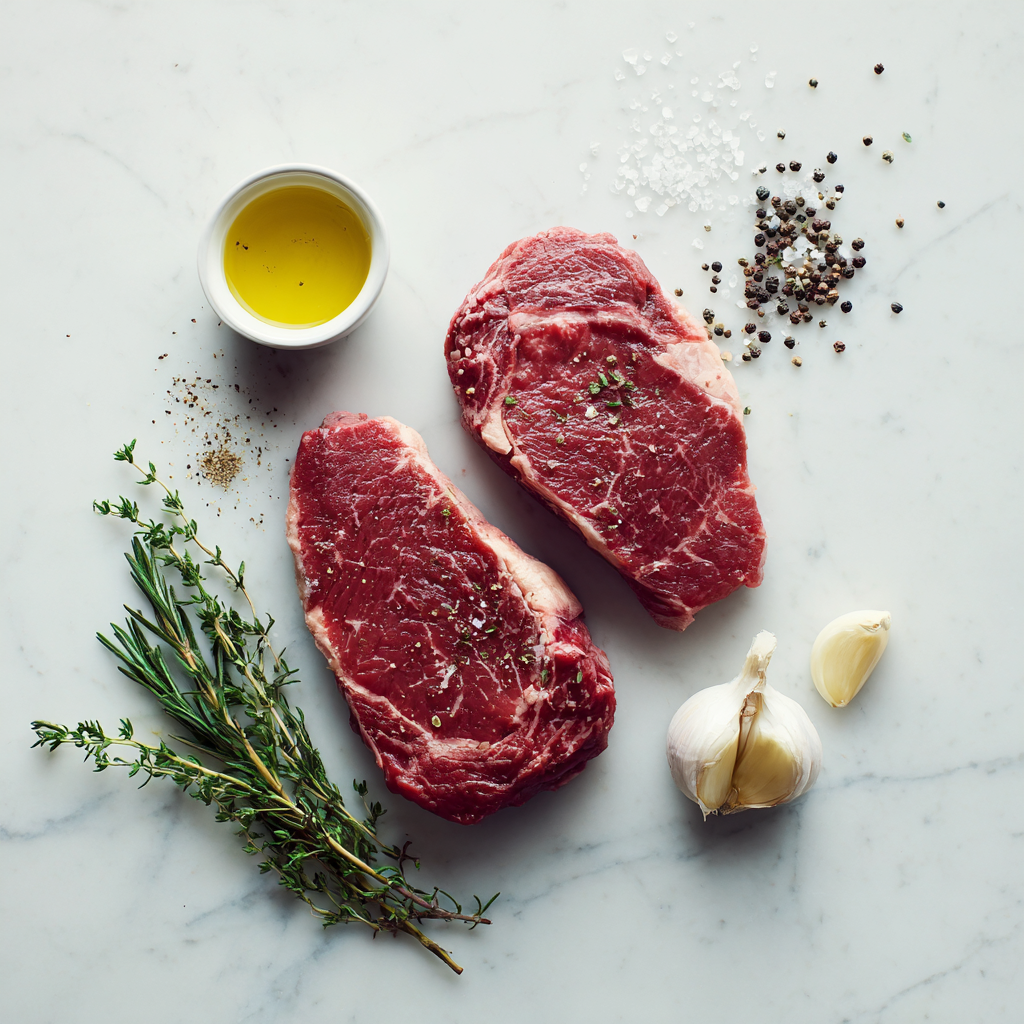
- 2 ribeye steaks, 1-inch thick
Choose high-quality ribeye steaks with good marbling to ensure maximum juiciness and flavor. The fat within the meat melts during cooking, adding tenderness and richness. - Salt, to taste
Salt enhances the natural flavors of the ribeye and helps to create a savory crust when seared. Proper seasoning is key to elevating the taste. - Freshly cracked black pepper, to taste
Pepper adds a bit of heat and complexity, contrasting beautifully with the rich, buttery flavor of the beef. Using freshly cracked pepper provides a more aromatic result. - 2 tablespoons olive oil
Olive oil not only helps prevent sticking but also increases heat transfer during cooking, promoting a delicious sear. It adds a subtle flavor that complements the steak. - 2 cloves garlic, smashed
Garlic infuses the oil with flavor, giving the steak an aromatic touch. It will also caramelize slightly during cooking, deepening the overall taste. - Fresh rosemary or thyme, for garnish
Herbs like rosemary or thyme enhance the aroma and flavor profile. Using fresh herbs adds a level of sophistication and freshness to the dish.
Directions & Preparation
Step 1: Remove steaks from the refrigerator and let them come to room temperature.
Allowing the ribeye to sit outside the fridge for about 30 minutes ensures even cooking throughout the meat. Cold meat can lead to a seared exterior while the inside remains undercooked.
Step 2: Preheat your grill or a heavy skillet over medium-high heat.
A properly preheated grill or skillet is crucial for achieving a flavorful crust on the ribeye. The high heat allows the Maillard reaction to occur, creating a delicious, caramelized surface.
Step 3: Pat the steaks dry with paper towels and season generously with salt and pepper on both sides.
Drying the steaks helps promote browning, and emphasizing seasoning provides a well-balanced taste. Remember, the salt and pepper should coat the steak’s surface for optimum flavor.
Step 4: Add olive oil to the skillet (or brush it onto the grill) and place the steaks down.
The olive oil will help prevent sticking and promote a better sear. When placing the steak, lay it away from you to avoid splatters and hot oil.
Step 5: Sear the ribeye for 4-5 minutes on one side.
Searing builds a delicious crust and flavor. Avoid moving the steak around too much; just let it sit to develop a rich golden-brown surface. Use a timer to ensure consistent cooking.
Step 6: Flip the steaks and add smashed garlic and herbs to the pan.
Flipping the steak allows the other side to sear beautifully while the herbs and garlic release their flavors in the oil, basting the meat during cooking.
Step 7: Cook for an additional 4-5 minutes for medium-rare.
Monitor the internal temperature with a meat thermometer. Aim for 130°F to 135°F for medium-rare. This step is significant, as overcooking can lead to a loss of juiciness and tenderness.
Step 8: Remove the steaks from the heat and allow them to rest for 10 minutes.
Resting is vital as it allows the juices to redistribute throughout the meat. Cutting too soon will result in loss of those delicious juices, affecting the overall texture and flavor.
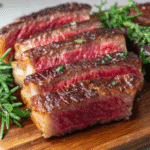
Step 9: Slice against the grain and serve with rosemary or thyme garnish.
Cutting against the grain shortens the muscle fibers, making each bite more tender. The garnish of fresh herbs adds a beautiful presentation and a burst of aroma to finish.
The Importance of Choosing the Right Cut
Selecting a top-quality ribeye is essential for maximizing flavor and texture in your dish. Look for well-marbled steaks with a rich red color. These steaks will cook beautifully, yielding that signature juicy experience that ribeye aficionados cherish.
Searing Techniques for Perfect Crust
Achieving that sought-after crust on a ribeye involves more than just high heat; it’s about the technique. Ensure your cooking surface is well-preheated and dry before adding the steaks. This way, you harness the power of high temperature to develop a flavorful, caramelized exterior quickly.
Resting: A Key to Juicy Steaks
Never underestimate the importance of resting your steak post-cooking. This step not only allows the internal temperature to stabilize but also ensures the juices have time to redistribute within the meat fibers. Without this crucial wait, you risk losing a significant amount of flavor and moisture when cutting into the steak.
FAQs
How do I know when my ribeye is cooked to medium-rare?
Use a meat thermometer; medium-rare should read between 130°F to 135°F. Alternatively, you can use the touch test to gauge doneness.
What if my ribeye is too salty?
If your steak is overly salty, consider serving it with a side that includes bread or neutral grains, which can balance the flavors.
Can I substitute ribeye with another cut?
While ribeye’s unique marbling contributes to its flavor, top sirloin or strip steaks can work as substitutes, though they may not have the same richness.
What should I do if my steak is overcooked?
If overcooked, slice the steak thinly and add it to a flavorful sauce to help retain some moisture, while still enjoying the overall taste.
How can I enhance the flavor without using too much seasoning?
Try marinating the steaks briefly with olive oil, lemon juice, and fresh herbs before cooking. This can deepen the flavor without overwhelming saltiness.
What cooking method is best for ribeye indoors?
Pan-searing is excellent for ribeye indoors as it allows you to achieve a good crust while retaining the steak’s moisture and flavor.
Conclusion
Cooking a ribeye steak at home can transform a simple meal into a festival of flavor. With thoughtful preparation and attention to detail, you can serve a steak that rivals any restaurant’s offering.
As you experiment with various techniques and flavors, you’ll continue to elevate your ribeye cooking skills. Enjoy the process and savor every bite of this wonderfully rich cut of beef.
Recipe Card
Ribeye – The Juiciest Steak You’ll Ever Cook
Ingredients
- 2 ribeye steaks 1-inch thick
- Salt to taste
- Freshly cracked black pepper to taste
- 2 tablespoons olive oil
- 2 cloves garlic smashed
- Fresh rosemary or thyme for garnish
Instructions
- Remove steaks from the refrigerator and let them come to room temperature.
- Preheat your grill or a heavy skillet over medium-high heat.
- Pat the steaks dry with paper towels and season generously with salt and pepper on both sides.
- Add olive oil to the skillet (or brush it onto the grill) and place the steaks down.
- Sear the ribeye for 4-5 minutes on one side.
- Flip the steaks and add smashed garlic and herbs to the pan.
- Cook for an additional 4-5 minutes for medium-rare.
- Remove the steaks from the heat and allow them to rest for 10 minutes.
- Slice against the grain and serve with rosemary or thyme garnish.
Notes
Additional serving suggestions: pair with a crisp salad, garlic bread, or roasted seasonal vegetables for balance.
For make-ahead, prep components separately and assemble just before heating to preserve texture.
Taste and adjust with acid (lemon/vinegar) and salt right at the end to wake up flavors.