Introduction
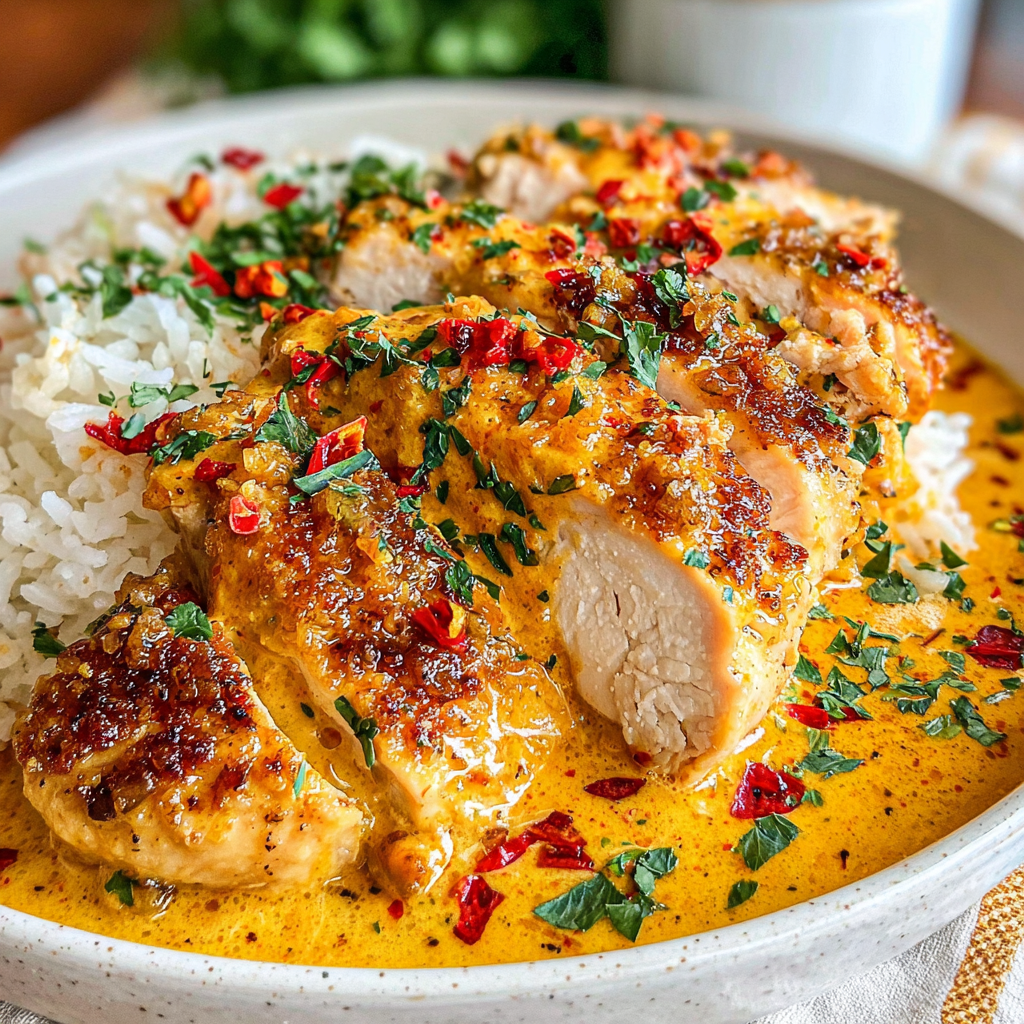
Brazilian Coconut Chicken, known as 'Frango com Coco', is a delightful dish that combines rich flavors and textures. The marriage of tender chicken with creamy coconut sauce offers a taste of Brazil that's perfect for home cooks seeking to explore international flavors.
This dish not only represents the vibrant culinary culture of Brazil but also showcases the simplicity of fresh ingredients. From the aromatic herbs to the luscious coconut milk, each component plays a crucial role in crafting an unforgettable meal.
Ingredients
- 4 chicken thighs, skin-on and bone-in
Chicken thighs are favored for their juiciness and rich flavor. The skin helps to lock in moisture during cooking, ensuring a tender bite. - 1 tablespoon olive oil
Olive oil adds depth to the dish while aiding in the browning process of the chicken, enhancing the overall flavor profile. - 1 onion, finely chopped
Onions provide a foundational sweetness and aromatic base. Sautéing them releases their natural sugars, contributing to a rich flavor. - 3 cloves garlic, minced
Garlic adds a robust flavor that complements the dish. It’s essential for creating a fragrant backdrop to the chicken and coconut. - 1 red bell pepper, chopped
The bell pepper introduces a sweet, slightly fruity taste and adds vibrant color, increasing the dish's visual appeal. - 1 can (13.5 oz) coconut milk
Coconut milk is the star of the sauce, providing creaminess and a subtle sweetness that balances the spices and herbs. - 1 teaspoon salt
Salt enhances all the flavors in the dish, ensuring that the sweet and savory elements are well-balanced. - 1/2 teaspoon black pepper
Black pepper adds a hint of heat and depth, elevating the overall flavor without overpowering the dish. - 1 tablespoon lime juice
Lime juice brightens the dish and balances the richness of the coconut milk, offering a refreshing contrast. - 2 tablespoons fresh cilantro, chopped
Cilantro not only adds a burst of color but also introduces a fresh, herbaceous note that complements the dish beautifully.
Directions & Preparation
Step 1: Heat olive oil in a large skillet over medium heat.
This initial step is crucial for creating a caramelized exterior on the chicken. The hot oil will help achieve a golden crust, sealing in the juices while enhancing the flavor profile throughout the cooking process. Be careful not to overcrowd the pan, as this can lower the temperature and prevent proper browning.
Step 2: Add the chicken thighs, skin-side down, and sear for about 5-7 minutes until golden brown.
Searing the chicken properly is essential for developing deep, complex flavors through the Maillard reaction. This browning process adds both texture and taste to the dish, creating a delightful contrast with the creamy coconut sauce that follows. Flip the chicken to ensure even cooking.
Step 3: Remove the chicken and set aside. In the same skillet, add onions, garlic, and red bell pepper.
This step builds flavorful layers in the dish. Sautéing the onions and peppers will release their natural sugars and create a fragrant base. The garlic should be added last to prevent burning, which can create a bitter taste. Stir frequently until the vegetables are soft.
Step 4: Return the chicken to the skillet and pour in the coconut milk. Season with salt and black pepper.
Adding coconut milk creates the signature creamy sauce that distinguishes this dish. The chicken will absorb the flavors, and the coconut milk will thicken, forming a delicious glaze. Be sure to mix well so that the seasonings coat all the ingredients evenly.
Step 5: Bring the mixture to a simmer, cover, and reduce heat. Cook for 25-30 minutes or until the chicken is tender.
Simmering is key to properly cooking the chicken and allowing the flavors to meld. Covering the skillet traps moisture, resulting in juicy, tender meat. It’s also an excellent time to prepare any sides you wish to serve alongside your dish.
Step 6: Stir in lime juice and fresh cilantro just before serving.
Incorporating lime juice and cilantro at the end brightens the dish, balancing the richness of the coconut with acidity. This final touch refreshes the flavors and adds a burst of color. Taste and adjust seasonings as necessary for optimal flavor.

Embracing Flavor: The Role of Coconut Milk
Coconut milk is not just a creamy ingredient; it serves as the canvas for all accompanying flavors. Its consistency allows for a luxurious sauce that clings to the chicken, while its natural sweetness balances out savory and spicy elements beautifully. As the dish simmers, the coconut milk infuses with herbs and spices, transforming into a rich, velvety landscape that envelops each bite.
Layering Aromatics for Maximum Impact
The combination of onions, garlic, and red bell pepper creates a robust aromatic foundation crucial to the dish's success. This trio undergoes a transformative process during cooking, wherein they release their natural sugars and distribute their aromas throughout the dish. Such meticulous layering of ingredients ensures that every component contributes to a harmonious blend of flavors that is distinctly vibrant.
Herbs and Citrus: Elevating the Final Touch
The inclusions of lime juice and cilantro are not merely for garnish; they elevate the dish to new heights. Lime juice cuts through the creamy sauce, providing essential acidity that refreshes the palate and balances flavors. Cilantro offers a fresh note, melding beautifully with the tropical undertones of the coconut, making each forkful an adventure in taste.
FAQs
What can I do if the sauce is too thick?
If your sauce ends up too thick, add a little water or chicken broth to reach your desired consistency. Stir incrementally to ensure it blends well.
How can I adjust the heat level in this recipe?
To spice things up, consider adding diced jalapeños or a teaspoon of cayenne pepper to the sauce. For milder heat, use sweet bell peppers or omit any spicy additions.
What if the chicken is overcooked?
If you find your chicken is dry, incorporate a bit more coconut milk or chicken broth into the sauce while simmering, which can help moisten the meat.
Can I substitute chicken thighs for another cut?
It's possible to use chicken breasts or drumsticks, but be aware that cooking times may vary. Adjust accordingly to ensure thorough cooking.
Is it possible to use frozen chicken for this recipe?
Yes, frozen chicken can be used, but make sure to thaw it completely first to ensure even cooking throughout the dish.
What are some suitable sides to pair with Brazilian Coconut Chicken?
Consider serving it with white rice, steamed vegetables, or even a side of farofa to soak up the delicious sauce. These options complement the dish well.
Conclusion
Brazilian Coconut Chicken is an excellent choice for those wanting to explore the multidimensional flavors of Brazilian cuisine at home. The marriage of coconut and spices alongside tender chicken makes it a truly comforting dish.
Sharing this dish with family or friends is bound to create a memorable dining experience, filled with warmth and unique flavors that transport you straight to Brazil. Enjoy the process and the delightful results!
Recipe Card

Savoring Brazilian Coconut Chicken at Home
Ingredients
- 4 chicken thighs skin-on and bone-in
- 1 tablespoon olive oil
- 1 onion finely chopped
- 3 cloves garlic minced
- 1 red bell pepper chopped
- 1 can 13.5 oz coconut milk
- 1 teaspoon salt
- 1/2 teaspoon black pepper
- 1 tablespoon lime juice
- 2 tablespoons fresh cilantro chopped
Instructions
- Heat olive oil in a large skillet over medium heat.
- Add the chicken thighs, skin-side down, and sear for about 5-7 minutes until golden brown.
- Remove the chicken and set aside. In the same skillet, add onions, garlic, and red bell pepper.
- Return the chicken to the skillet and pour in the coconut milk. Season with salt and black pepper.
- Bring the mixture to a simmer, cover, and reduce heat. Cook for 25-30 minutes or until the chicken is tender.
- Stir in lime juice and fresh cilantro just before serving.
Notes
Additional serving suggestions: pair with a crisp salad, garlic bread, or roasted seasonal vegetables for balance.
For make-ahead, prep components separately and assemble just before heating to preserve texture.
Taste and adjust with acid (lemon/vinegar) and salt right at the end to wake up flavors.