Introduction
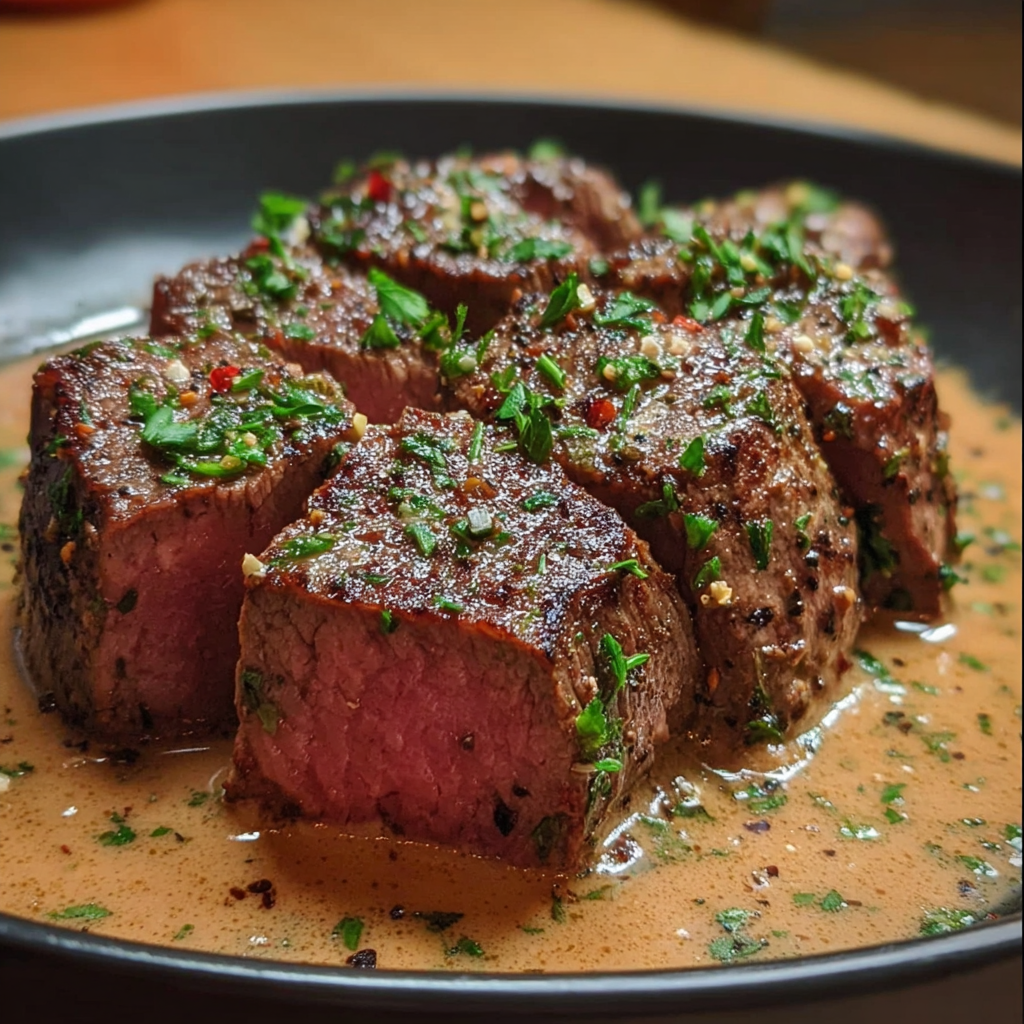
Nothing quite compares to the tender, succulent taste of a perfectly cooked beef fillet, especially when heightened with spices and fresh ingredients. Juicy Beef Fillet Pepper takes classic flavors and elevates them to create an exquisite dining experience.
With the right techniques, even home cooks can achieve restaurant-quality dishes. The infusion of pepper adds both complexity and warmth, making this dish not only a standout option for special occasions but also a delightful weeknight feast.
Ingredients
- 2 beef fillets (about 6 oz each)
The star of the dish, beef fillets are prized for their tenderness and ability to absorb flavors. Choosing high-quality cuts ensures a juicy outcome that melts in your mouth. - 1 tablespoon vegetable oil
Vegetable oil has a high smoke point that allows for searing the fillets effectively. It prevents sticking while ensuring even cooking and adds a subtle richness. - 1 tablespoon black pepper (freshly cracked)
Freshly cracked black pepper is essential for a pronounced flavor punch. Its aromatic quality enhances the beef's natural taste and adds a pleasant heat. - 1 teaspoon sea salt
Sea salt helps to amplify the beef's flavors. By seasoning the fillet before cooking, it ensures a well-balanced taste throughout the meat. - 1 tablespoon garlic (minced)
Garlic contributes a savory undertone that complements the meat nicely. Its aromatic presence adds depth and richness to the dish. - 1 tablespoon fresh parsley (chopped)
Fresh parsley adds a hint of brightness and color to the dish. It serves as a refreshing contrast to the rich flavors of the beef and creates an appealing presentation. - 1 tablespoon unsalted butter
Butter brings a velvety texture and depth of flavor. It enriches the sauce created while resting the beef and balances the pepper's spice.
Directions & Preparation
Step 1: Season the beef fillets with salt and black pepper.
Seasoning the fillets with salt and black pepper ensures that the flavors penetrate the meat. Allowing the beef to sit for at least 30 minutes before cooking helps the seasoning work its magic, enhancing the overall taste.
Step 2: Heat the vegetable oil in a skillet over medium-high heat.
Heating the skillet is vital for achieving a perfect sear on the fillets. A hot pan creates a delicious crust that locks in juices, ensuring a juicy interior. Look for a shimmering surface on the oil as a cue to add the beef.
Step 3: Add the seasoned beef fillets to the hot skillet.
Placing the fillets in the skillet should create an audible sizzle. This sound indicates that the meat is caramelizing properly. Don’t overcrowd the pan; this ensures adequate heat distribution for even cooking.
Step 4: Sear the fillets for 3-4 minutes on one side.
Searing develops a rich flavor through the Maillard reaction. Avoid moving the fillets too soon, as that could disrupt the crust formation. Look for a deep golden-brown color before flipping.
Step 5: Flip the fillets and cook for another 3-4 minutes or until desired doneness.
The second side should cook for a similar duration to maintain even cooking. Use a meat thermometer to check doneness: 130°F for medium-rare, 140°F for medium. Letting the meat cook undisturbed will enhance the crust.
Step 6: Add garlic to the skillet during the last minute of cooking.
Adding minced garlic in the last moments of cooking prevents it from burning while infusing the fillets with aromatic flavor. Swirl it around the pan with the juices to create a flavorful base.
Step 7: Remove the fillets and let them rest for 5 minutes.
Resting allows the juices to redistribute, preventing them from spilling out when sliced. This results in a more succulent bite. Covering the fillets loosely with foil maintains warmth without steaming.
Step 8: Add butter to the skillet and melt over low heat.
Melting butter in the residual heat of the skillet builds a luxurious sauce. This step captures the fond left from the beef and melds it with the garlic for an enriched flavor that elevates the dish.
Step 9: Slice the fillets and serve with butter and parsley.
Slicing the fillets against the grain ensures tenderness with every bite. Drizzling the melted butter over the top, along with a sprinkle of fresh parsley, enhances both presentation and flavor.

Perfecting Doneness for Ideal Tenderness
Understanding the nuances of meat doneness is crucial for achieving the perfect juicy fillet. Depending on your preference, cooking times will slightly vary; a meat thermometer is invaluable to hit that desired internal temperature. Resting time increases juiciness, making every cut flavorful without dryness.
The Art of Searing: Building Flavor
Searing, or browning the meat, is not just for appearance; it develops complex flavors through caramelization. A hot skillet is vital to ensure a proper crust forms, acting as a barrier that retains moisture. The sophisticated layers of flavor created are integral to a well-crafted beef dish.
Enhancing the Dish: The Importance of Fresh Ingredients
While this recipe highlights the beef, the supporting ingredients, like fresh garlic and parsley, elevate the final dish. Fresh herbs add brightness that cuts through the richness of the meat, balancing flavors beautifully. Quality ingredients affect not only taste but also the overall experience of enjoying the meal.
FAQs
What is the best way to check the doneness of beef fillets?
Using a meat thermometer is the most accurate method. For medium-rare, aim for 130°F, and medium should be around 140°F. If you don’t have one, pressing on the meat can give you a rough idea based on firmness.
Why did my fillets turn out too tough?
Overcooking is the most likely culprit for toughness in fillets. Always use a thermometer to ensure they are cooked to your desired doneness without exceeding the recommended temperatures.
Can I use ribeye instead of fillet?
Yes, ribeye can be substituted for fillet. It has more marbling and flavor but may require slightly different cooking times due to its fat content.
What if I don't have fresh black pepper?
You can use pre-ground black pepper, but its flavor may not be as robust. For the best taste, try to use fresh cracked pepper when possible, as it offers more aromatic qualities.
How can I improve the oil's flavor before cooking?
Infusing the oil with herbs or spices before adding the fillets can enhance the dish. Heat the oil briefly with garlic or rosemary to create a flavored base prior to cooking.
What if the melted butter separates in the skillet?
If the butter separates, it may be due to overheating. Always melt butter over low heat to retain its creamy consistency and improve the final sauce for your fillets.
Conclusion
Preparing a Juicy Beef Fillet Pepper dish at home brings a touch of luxury to your dining table. With careful attention to seasoning, cooking techniques, and high-quality ingredients, you can achieve results that leave everyone impressed.
Embrace the joy of cooking and relish in the satisfaction of crafting a meal that balances flavors and textures. Whether it’s a busy weeknight or a special occasion, this delightful dish will delight palates and create memorable moments.
Recipe Card

Savoring Juicy Beef Fillet Pepper Delights
Ingredients
- 2 beef fillets about 6 oz each
- 1 tablespoon vegetable oil
- 1 tablespoon black pepper freshly cracked
- 1 teaspoon sea salt
- 1 tablespoon garlic minced
- 1 tablespoon fresh parsley chopped
- 1 tablespoon unsalted butter
Instructions
- Season the beef fillets with salt and black pepper.
- Heat the vegetable oil in a skillet over medium-high heat.
- Add the seasoned beef fillets to the hot skillet.
- Sear the fillets for 3-4 minutes on one side.
- Flip the fillets and cook for another 3-4 minutes or until desired doneness.
- Add garlic to the skillet during the last minute of cooking.
- Remove the fillets and let them rest for 5 minutes.
- Add butter to the skillet and melt over low heat.
- Slice the fillets and serve with butter and parsley.
Notes
Additional serving suggestions: pair with a crisp salad, garlic bread, or roasted seasonal vegetables for balance.
For make-ahead, prep components separately and assemble just before heating to preserve texture.
Taste and adjust with acid (lemon/vinegar) and salt right at the end to wake up flavors.