Introduction
Spaghetti Carbonara is one of those iconic Italian dishes that beautifully encapsulates the essence of simple yet profound cooking. With just a few ingredients, this recipe transforms into a comforting meal that warms the soul and satisfies the palate.
Originating from Rome, Carbonara features a harmonious blend of flavors, from the saltiness of pecorino cheese to the richness of eggs and the satisfying bite of guanciale. This dish has remained a beloved staple in Italian cuisine, capturing the hearts of many around the world.
As home cooks, we can appreciate the artistry behind making Carbonara—where technique matters as much as the ingredients. The result is a creamy, decadent pasta that is perfect for any dinner occasion, and today, we will delve into its preparation with enthusiasm and care.
Ingredients
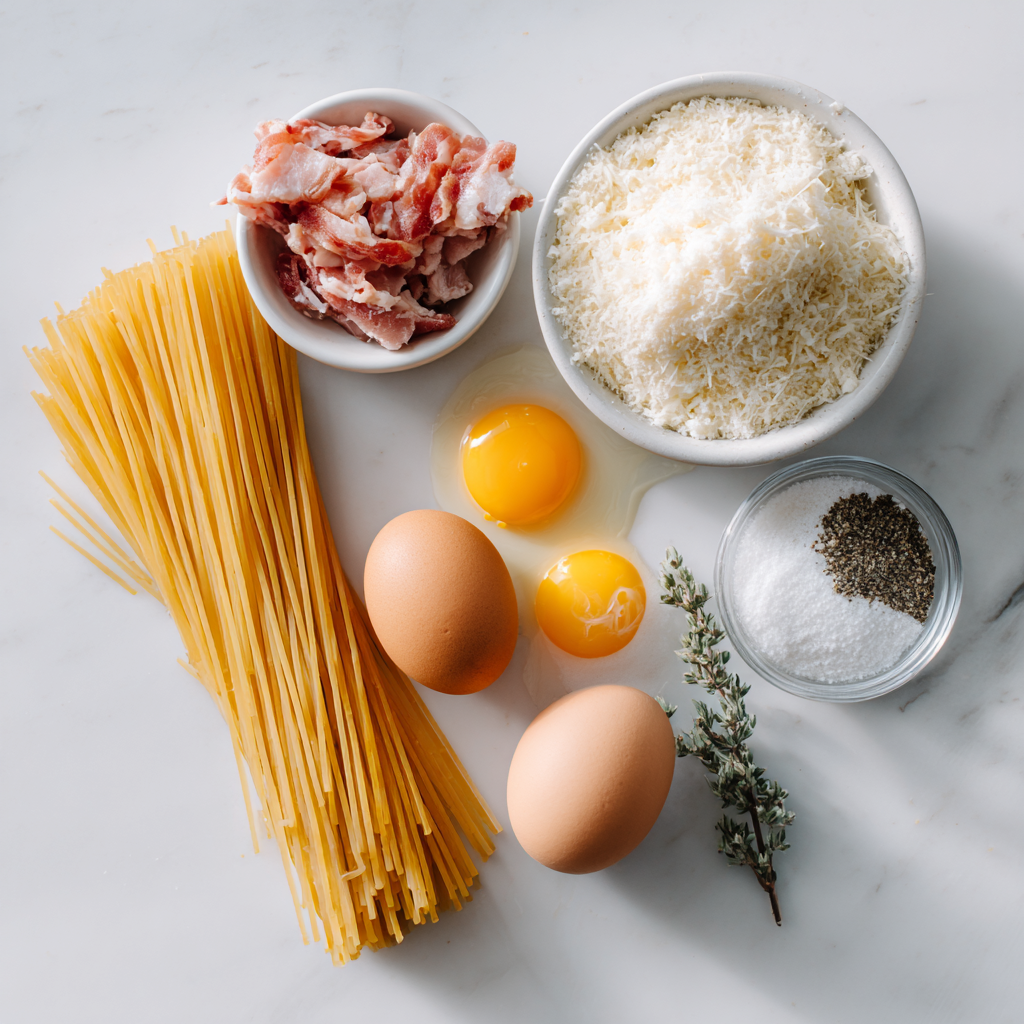
- 400g spaghetti
Spaghetti serves as the base of this classic dish. Its long, thin shape allows it to hold onto the creamy sauce beautifully, creating a perfect texture with every bite. - 150g guanciale
Guanciale, or cured pork cheek, provides a rich, indulgent flavor that is integral to the dish. Its fat melts during cooking, adding depth and savoriness to the carbonara. - 3 large eggs
Eggs create the creamy sauce characteristic of Carbonara. When combined with hot pasta, they emulsify and thicken, forming a luxurious coating on the noodles. - 100g pecorino romano cheese
Pecorino Romano contributes a sharp, salty flavor and enhances the umami profile of the dish. It is essential for balancing the richness of the guanciale and eggs. - Freshly cracked black pepper
Black pepper adds a spicy kick that elevates the dish, providing contrast to the richness of the other ingredients. It should be used generously for the best flavor. - Salt (for pasta water)
Salted water is crucial for cooking the spaghetti. It helps to season the pasta as it cooks, ensuring that the final dish is flavorful and well-balanced.
Directions & Preparation
Step 1: Cook the spaghetti.
Begin by bringing a large pot of salted water to a rolling boil. Add the spaghetti and cook according to the package instructions until al dente, usually about 8-10 minutes. This step is critical, as properly cooked pasta will create the right texture and allow it to absorb the flavors from the sauce. Reserve about a cup of pasta water before draining.
Step 2: Prepare the guanciale.
While the pasta cooks, dice the guanciale into small pieces. In a large skillet, heat it over medium heat until it becomes crispy, about 5-7 minutes. The rendered fat will become the base for the sauce, imparting a savory depth to the dish. Keep an eye on it, as burned guanciale can turn bitter.
Step 3: Mix eggs and cheese.
In a mixing bowl, whisk together the eggs and grated pecorino romano until well blended. This mixture will act as the creamy sauce that envelops the pasta. It’s essential to do this while the pasta and guanciale are cooking, as the heat from the pasta will help form a luscious, smooth sauce when combined.
Step 4: Combine spaghetti and guanciale.
Once the spaghetti is al dente, drain it and quickly add it to the skillet with the crispy guanciale. Toss the pasta in the rendered fat over low heat, allowing the flavors to meld. This crucial step helps the spaghetti absorb all those delicious notes from the guanciale, setting the foundation for a rich sauce.
Step 5: Incorporate egg mixture.
Remove the skillet from heat and let it cool slightly before adding the egg and cheese mixture. This step is vital to prevent the eggs from scrambling; they should create a creamy sauce instead. Toss everything quickly, adding a bit of reserved pasta water if necessary to achieve your desired creaminess.
Step 6: Season and serve.
Taste your Carbonara and adjust with extra pecorino and freshly cracked black pepper as desired. The final dish should be creamy and flavorful, with a harmonious balance of richness and spice. Serve immediately, garnishing with more cheese and pepper for that authentic touch.
The Importance of Choosing Quality Ingredients
The success of Spaghetti Carbonara relies heavily on the quality of its ingredients. Authenticity is key; seeking out traditional guanciale rather than bacon makes a significant difference in flavor. Similarly, using fresh pasta and aged pecorino Romano can elevate your dish from ordinary to extraordinary, ensuring that every bite reflects the heart of Italian cuisine.
Emulsification: The Heart of Creamy Carbonara
Achieving the perfect creamy sauce in Carbonara hinges on the technique of emulsification. By combining hot pasta with the egg and cheese mixture off the heat, the pasta’s residual warmth gently cooks the eggs, creating a silky sauce rather than scrambled bits. This step is crucial and requires timing and adjustment to keep the creamy texture intact while incorporating the guanciale.
Customizing Your Carbonara Experience
While traditional Carbonara is beloved, there’s room for personal touches without compromising its integrity. Some cooks enjoy adding garlic for depth or a touch of cream for added richness. However, purists contend that the strength of Carbonara lies in its simplicity, allowing the flavors of each ingredient to shine without overshadowing one another.
FAQs
What if my sauce turns out too thick?
If your Carbonara sauce is too thick, you can easily loosen it by adding a bit of the reserved pasta water while tossing it. This will help create a silkier texture.
What if my guanciale is too fatty?
If you find your guanciale very fatty, you can trim some of the excess fat before cooking. However, a bit of fat is essential for flavor, so find a balance that works for your taste.
Can I use pancetta instead of guanciale?
Yes, pancetta can be used as a substitute, but it has a milder flavor compared to guanciale. It’s not traditional but can work in a pinch.
Why did my sauce become scrambled eggs?
This usually happens if the egg mixture is added to pasta that is too hot or if it’s cooked over direct heat. Always remove the pan from heat before combining to avoid scrambling.
How do I make my Carbonara more flavorful?
To intensify flavor, consider using freshly cracked black pepper liberally and ensuring your guanciale is high quality. A touch of garlic or herbs can also enhance the dish.
Can I make this dish vegetarian?
While traditional Carbonara is not vegetarian, you could substitute guanciale with mushrooms or a plant-based bacon alternative to mimic the flavors.
Conclusion
Spaghetti Carbonara stands as a testament to the art of Italian cooking, where simplicity leads to sublime flavor. Every ingredient plays a pivotal role, coming together to create a dish that’s more than just a meal—it’s an experience.
Whether you’re enjoying it during a cozy family dinner or sharing it with friends, this timeless classic invites you to appreciate the beauty of good food made with care. So, roll up your sleeves, gather your ingredients, and relish in the joy of making and sharing this culinary masterpiece.
Recipe Card
Spaghetti Carbonara – A Timeless Italian Classic
Ingredients
- 400 g spaghetti
- 150 g guanciale
- 3 large eggs
- 100 g pecorino romano cheese
- Freshly cracked black pepper
- Salt for pasta water
Instructions
- Cook the spaghetti.
- Prepare the guanciale.
- Mix eggs and cheese.
- Combine spaghetti and guanciale.
- Incorporate egg mixture.
- Season and serve.
Notes
Additional serving suggestions: pair with a crisp salad, garlic bread, or roasted seasonal vegetables for balance.
For make-ahead, prep components separately and assemble just before heating to preserve texture.
Taste and adjust with acid (lemon/vinegar) and salt right at the end to wake up flavors.