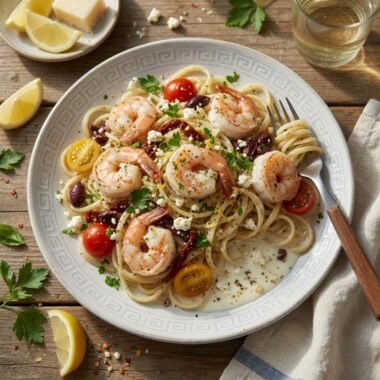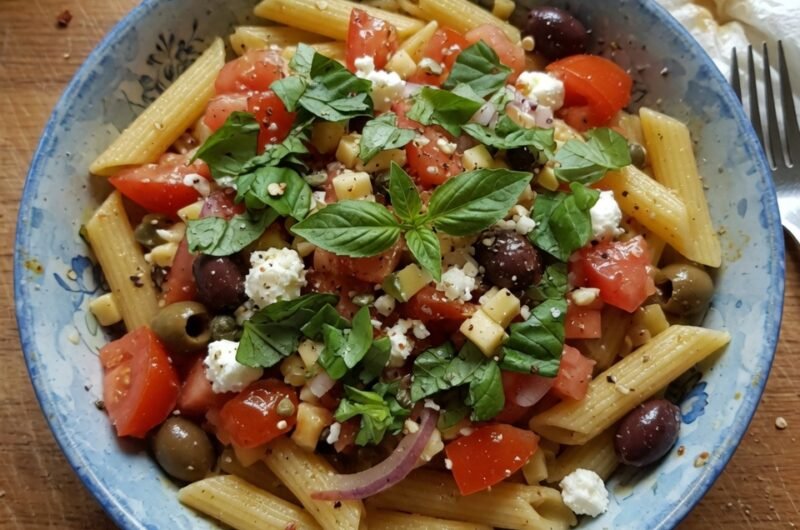
A vibrant, no-cook sauce of marinated tomatoes, garlic, and basil meets hot pasta for the ultimate weeknight summer dinner.
📋 In This Article
Introduction
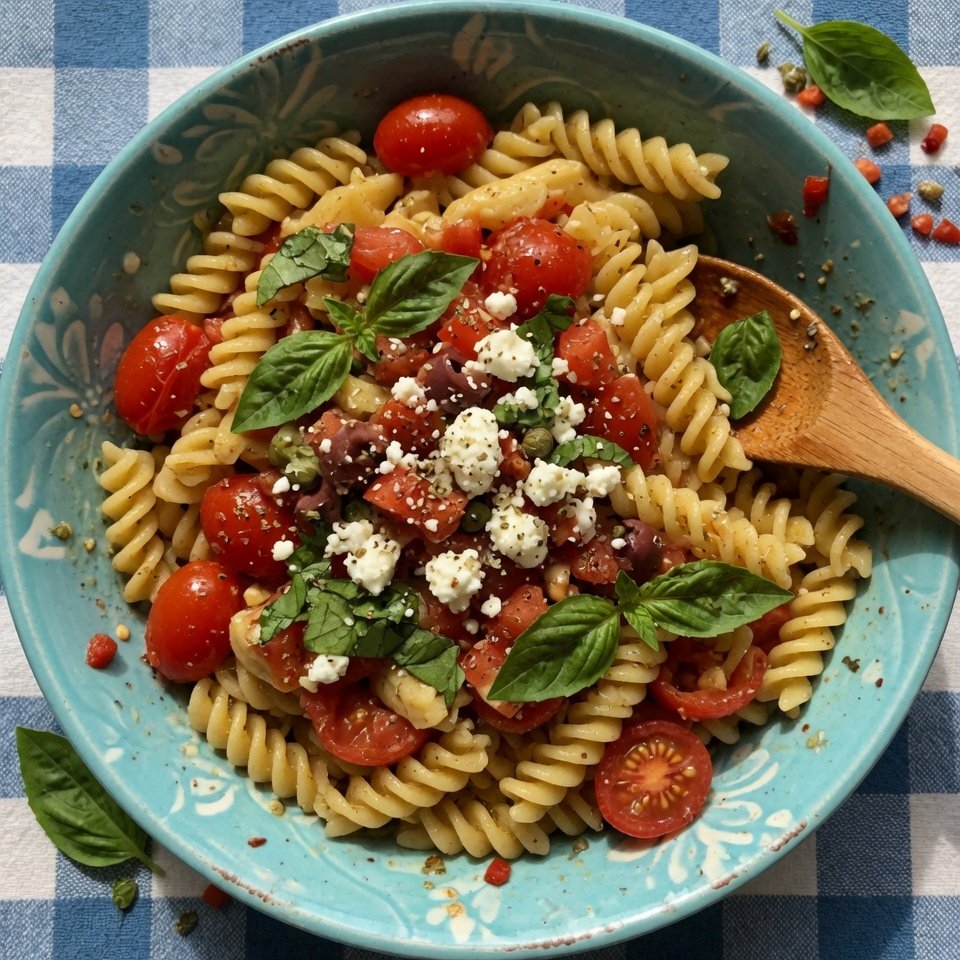
There is a specific kind of magic that happens when you combine peak-season tomatoes with good olive oil and just the right amount of heat. This Fresh Tomato and Basil Mediterranean Pasta Toss isn’t just dinner; it’s a masterclass in letting ingredients shine without a stove’s interference (well, mostly). I’ve spent years testing pasta tosses, and the problem is usually the same: a watery, flavorless sauce that slides off the noodles. We’re fixing that today. By treating the tomato mixture as a raw salsa cruda and using the residual heat of the pasta to gently cook the garlic and wilt the basil, you get a sauce that is fresh, raw, and cooked all at once. It’s the kind of no-fuss recipe that saves your sanity on hot July nights when the thought of turning on the oven is laughable.
Why This Recipe Works (The Mediterranean Advantage)
The brilliance of this Fresh Tomato and Basil Mediterranean Pasta Toss lies in a technique borrowed from high-end Italian cooking: maceration. Most people just chop tomatoes and toss them with oil. That’s fine, but it’s not great. When you salt your tomatoes first and let them sit, osmosis draws out the internal moisture. This tomato “water” is packed with flavor, and it mixes with the olive oil to create an emulsified, velvety sauce that clings to every strand of pasta. No extra liquid needed.
This approach champions the Mediterranean diet’s core philosophy: high-quality ingredients treated with respect. The health benefits are undeniable—lycopene from the tomatoes and polyphenols from the olive oil—but the real win is the texture. You get the silkiness of a cream sauce without a drop of dairy. And because the sauce is essentially a no-cook sauce, you save on energy and keep your kitchen cool.
Essential Ingredients for Freshness
You don’t need much, so what you buy matters. Here is what you need for a stellar result:
- 10 oz (300 g) ripe tomatoes: Forget the rock-hard spheres at the supermarket. Look for heirlooms, Campari, or sweet cherry tomatoes. They must be fully ripe; unripe tomatoes lack the sugar and glutamic acid necessary for a deep flavor profile.
- 6 oz (170 g) spaghettini pasta: I prefer spaghettini or angel hair over thick spaghetti. The delicate strands have a higher surface-area-to-volume ratio, ensuring the light sauce coats the pasta rather than slipping off.
- 1 small garlic clove: We’re going for a subtle hum, not a punch in the face. Mince it very finely so it nearly dissolves.
- A generous handful of fresh basil leaves: Dried basil is a disaster here. You need fresh, aromatic leaves. Tear them by hand to rupture the oil glands without bruising the herb.
- 3 tablespoons extra virgin olive oil: Use the good stuff. Since it’s not being cooked over high heat, the oil’s peppery, grassy notes will shine through.
- Salt and black pepper to taste: Essential for the maceration process.
- Optional additions: A pinch of red pepper flakes for heat, a squeeze of lemon juice for acid balance, or grated Parmesan cheese for a savory umami boost.
Step-by-Step Instructions
Step 1: Macerate the Tomatoes
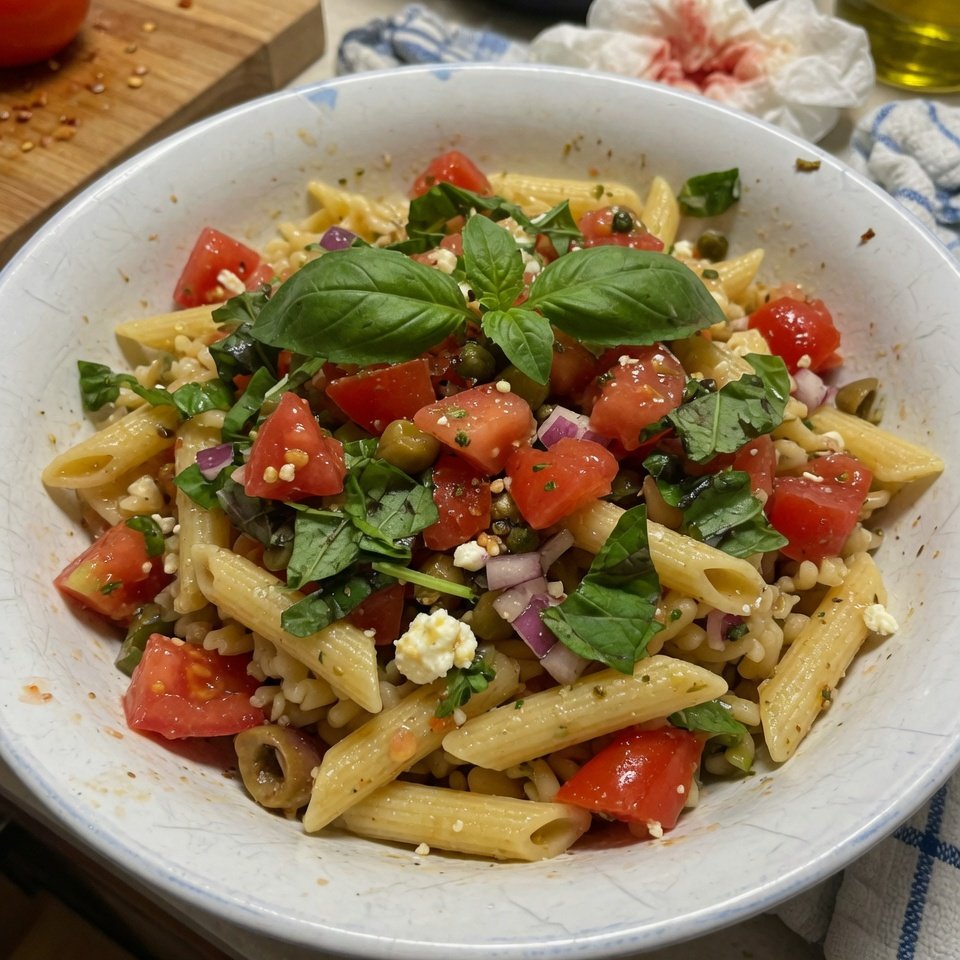
Dice your fresh tomatoes into uniform 1/2-inch pieces. Place them in a bowl and immediately sprinkle with a generous pinch of salt. Toss gently. Let this sit for at least 15 to 20 minutes while you prep the rest. This step is non-negotiable. The salt draws out the juices, creating the base of your sauce. Add the minced garlic, torn basil leaves, and extra virgin olive oil to the bowl. Stir to combine.
Step 2: Boil the Pasta
Bring a large pot of water to a rolling boil. Salt it until it tastes like a properly seasoned soup—this is your only chance to season the actual pasta structure. Add the pasta and cook until al dente, usually 1 minute less than the package instructions suggest. The residual heat will finish the cooking.
Step 3: Emulsify and Toss
Before draining, scoop out 1/2 cup of starchy pasta water. This liquid is liquid gold for sauces. Drain the pasta and immediately add it to the bowl with the marinated tomato mixture. Toss vigorously. The heat from the pasta will slightly tame the raw garlic and release the basil’s aromatic oils. If the sauce looks too tight, add a splash of that reserved pasta water to loosen it into a glossy emulsion.
Step 4: Season and Serve
Taste your Fresh Tomato and Basil Mediterranean Pasta Toss right away. Adjust with more salt, pepper, or a drizzle of olive oil. Serve immediately while the contrast between the hot pasta and cool tomatoes is at its peak.
⚠️ Common Mistakes to Avoid
Even simple recipes have pitfalls. Here is how to avoid the most common errors:
- Using refrigerated tomatoes: Cold temperatures mute flavor and alter the texture of tomatoes, making them mealy. Keep your tomatoes on the counter.
- Adding oil before salt: If you coat the tomatoes in oil before salting, the oil acts as a barrier and prevents the salt from drawing out the juices. Always salt first.
- Overcooking the pasta: Since the sauce is raw, you want the pasta to have a distinct bite. Mushy pasta will turn this into a gloppy mess.
- Skipping the pasta water: I used to skip this step — don’t. Without that starch, the oil and tomato juice remain separate layers rather than becoming a unified, creamy sauce.
- Cutting basil with a knife: A metal blade can oxidize the basil, turning it black and giving it a metallic taste. Tear it gently by hand.
Delicious Variations & Add-Ins
This recipe is a canvas. Once you master the technique, try these variations:
- The Creamy Twist: Add small balls of fresh mozzarella (bocconcini) when you toss the hot pasta. They will soften slightly but hold their shape, adding a milky richness.
- The Briny Kick: Toss in kalamata olives or capers. Their salinity cuts through the sweetness of the tomatoes beautifully.
- Protein Boost: Grilled shrimp or leftover rotisserie chicken makes this a hearty main.
- The Vegan Route: Skip the Parmesan cheese and add nutritional yeast or toasted pine nuts for a nutty, savory finish that keeps it plant-based.
Storage & Make-Ahead Tips
This dish is best eaten immediately, but life happens.
- Storing Leftovers: Keep in an airtight container in the refrigerator for up to 2 days. Note that the tomatoes will release more water and the pasta will absorb it, changing the texture.
- Make-Ahead Strategy: You can prep the tomato mixture (minus the basil) up to 24 hours in advance. Keep it at room temperature if your kitchen is cool, or refrigerate and bring it to room temp before tossing with hot pasta. Cold sauce shocks the pasta and prevents proper emulsification.
- Serving Cold: Leftovers make a fantastic pasta salad. Just add a splash of olive oil and a squeeze of lemon to revive the flavors before serving cold.
💡 Pro Tips for Next-Level Flavor
To take this from good to “I can’t believe this is vegan” great, focus on these details:
- Garlic management: If you find raw garlic too aggressive, soak the minced garlic in a tablespoon of red wine vinegar or lemon juice for 5 minutes before adding it to the tomatoes. The acid neutralizes the harsh sulfur compounds.
- Tomato variety: If you only have access to out-of-season tomatoes, use a box grater to grate them into a pulp. Discard the skins. This creates a juicier, more sauce-like consistency instantly.
- Finishing oil: Reserve your absolute best, most expensive olive oil for the final drizzle right before serving. The aromatic compounds in high-quality oil are volatile; heat destroys them, so save the good stuff for the finish.
Frequently Asked Questions (FAQ)
+Why is my pasta sauce watery?
You likely skipped the maceration step or didn’t drain the tomatoes well enough. Salting the tomatoes draws out excess water before they hit the pasta, concentrating the flavor and preventing a soupy sauce.
+Can I use a different type of pasta?
Absolutely. Long strands like linguine or fettuccine work well, but short shapes like penne or fusilli are great for scooping up chunks of tomato. Just remember to reserve that pasta water regardless of the shape.
+Do I have to peel the tomatoes?
No. For a rustic no-cook sauce, leaving the skins on adds texture and color. If you prefer a silkier mouthfeel, you can blanch the tomatoes for 30 seconds to loosen the skins, but I rarely find it necessary for a weeknight dinner.
+Can I make this recipe ahead for a party?
Yes, but with a caveat. Prep the tomato mixture and store it separately from the cooked pasta. Toss them together only when you are ready to eat. If you combine them hours ahead, the pasta will soak up all the sauce and become gummy.
+Is this dish suitable for a gluten-free diet?
Yes, simply swap the wheat pasta for your favorite gluten-free pasta. The sauce itself is naturally gluten-free. Just be careful with the pasta water, as gluten-free pasta releases different starches that may not thicken the sauce as effectively.
Conclusion
The Fresh Tomato and Basil Mediterranean Pasta Toss is proof that you don’t need a pantry full of ingredients or a culinary degree to create something spectacular. It relies on the simple alchemy of salt, time, and heat. By respecting the ingredients—letting the tomatoes weep their flavorful juices and using pasta water to bind everything together—you achieve a dish that feels luxurious yet effortless. Whether you stick to the classic recipe or throw in some mozzarella and olives, this is the summer dinner you’ll return to again and again. It’s honest, vibrant food that tastes exactly like the season should.
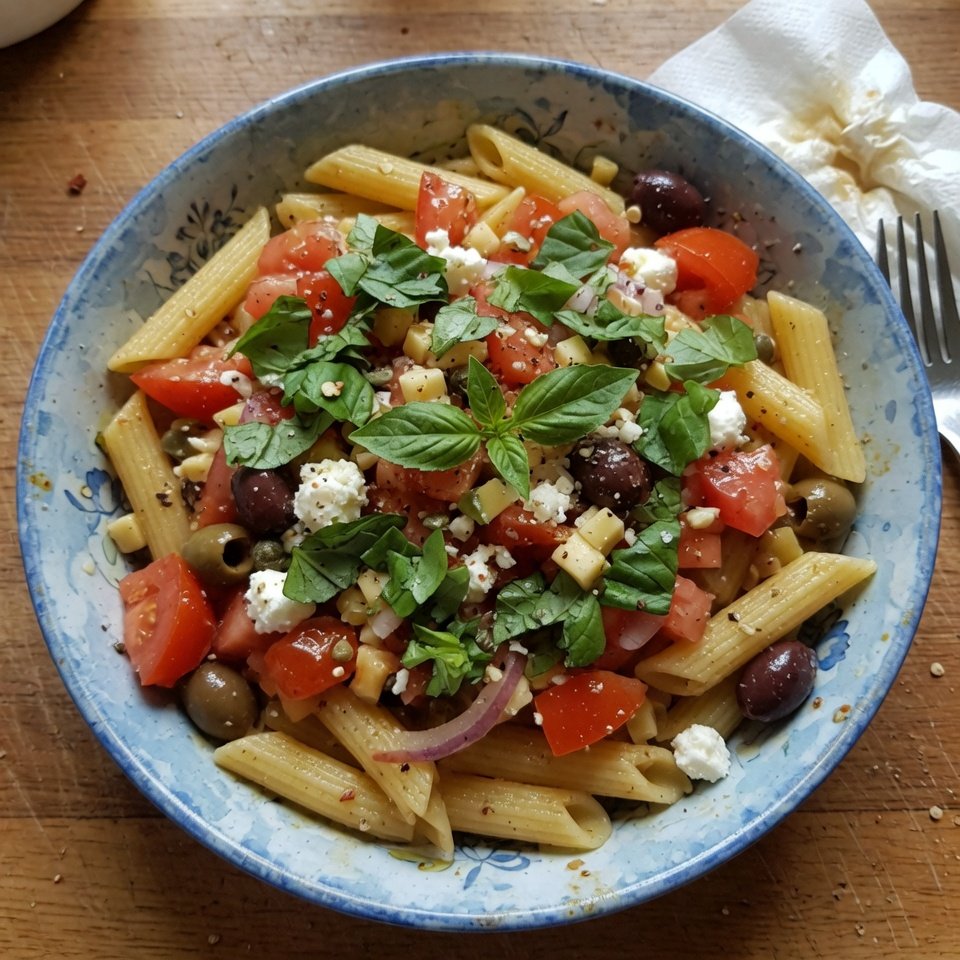
Summer Fresh Tomato Pasta
Ingredients
Method
- Dice tomatoes into small cubes and place in a large bowl (ensure they are ripe, so they're nice and juicy)
- Chop the basil leaves, grate the garlic cloves using a microplane grater and add them to the bowl. Add olive oil, season well with salt and pepper and stir together
- For the best flavor, cover and marinate for 30-60 minutes in the fridge, otherwise 10 minutes will be fine while you cook the pasta
- Boil the spaghetti in a large pot with salted water and reserve some of the pasta cooking water
- Drain and add the cooked pasta straight into the bowl with the marinated tomatoes. Add 2 tablespoons of the pasta cooking water and gently toss together
- You will notice there will be some extra liquid at the bottom of the bowl from the tomato juices. Set aside for 10 minutes which will allow the spaghetti to soak in the juice and flavor (if you prefer a cold pasta salad, cover and refrigerate in this time or enjoy at room temp)Serve up your Fresh Summer Pasta with optional grated parmesan and enjoy!!
Notes
- For the best flavor, let your tomato mixture marinate for at least 30 minutes; if you're in a rush, a quick 10-minute soak while the pasta cooks still brings out lovely flavors.
- Make sure to use ripe, juicy tomatoes; the more vibrant and soft they are, the better your sauce will be—avoid any hard or underripe tomatoes.
- If you prefer a cold pasta salad, simply refrigerate the mixed pasta and tomatoes for about 10 minutes after tossing to chill and meld the flavors.
- To prevent your pasta from becoming dry, reserve some pasta cooking water and add it gradually when mixing the pasta with the tomatoes; this helps achieve the perfect saucy consistency.
- Fresh basil can be substituted with other herbs like parsley or oregano if you prefer a different flavor profile, but fresh is always best for that summer taste.