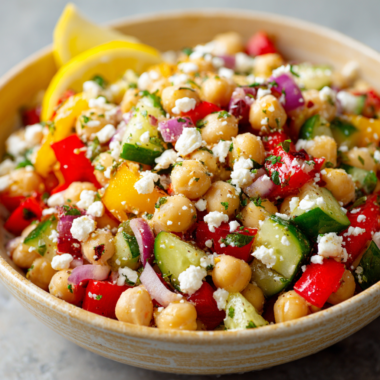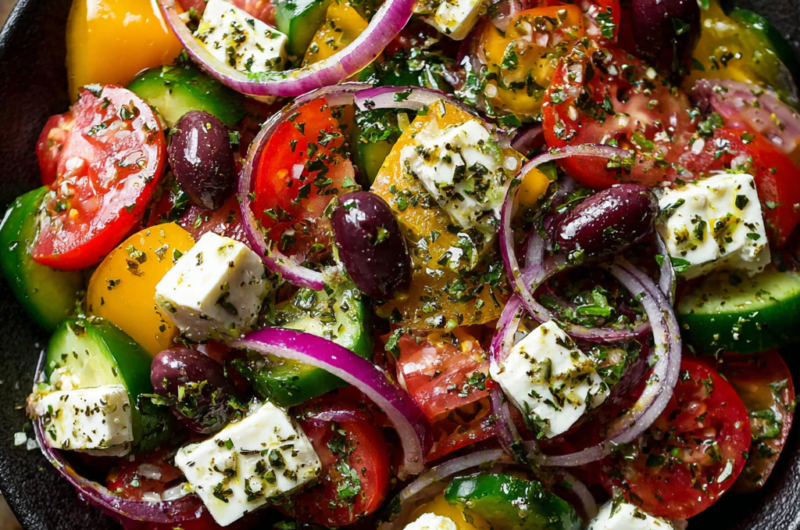
Crisp vegetables, briny feta, and a bold dressing that doubles as a marinade—this is the only Greek salad recipe you need.
📋 In This Article
- Introduction
- Why This Greek Salad Recipe Reigns Supreme
- The Heart of the Salad: Ingredients You’ll Need
- Crafting Your Culinary Masterpiece: Step-by-Step Instructions
- The Star of the Show: Homemade Oregano Vinaigrette
- Common Mistakes to Avoid for a Perfect Greek Salad
- Elevate Your Meal: Serving Suggestions and Variations
- Storage Tips: Keeping Your Greek Salad Fresh
- Expert Tips for the Ultimate Greek Salad Experience
- Frequently Asked Questions About Greek Salad
- Conclusion
Introduction
Let’s be honest: most Greek salads are an afterthought. Soggy lettuce, mealy tomatoes, and a bland sprinkling of herbs. But The Best Greek Salad Recipe With a Homemade Oregano Vinaigrette You’ll Pour on Everything is different. It’s built on a foundation of simple, high-impact ingredients where every component earns its place. The real secret lies in the treatment of the vegetables and a vinaigrette that acts less like a condiment and more like a flavor amplifier.
This isn’t just about tossing chopped veggies in a bowl. It’s about understanding how salt and acid interact with cell structures to create a salad that stays crisp, not watery. The homemade oregano vinaigrette is the engine here—robust, tangy, and versatile enough that you’ll find yourself drizzling it over roasted potatoes or grilled chicken long after the salad is gone.
Why This Greek Salad Recipe Reigns Supreme
Texture is everything. Too often, Greek salads turn into a vegetable soup at the bottom of the bowl. This recipe reigns supreme because it addresses the moisture problem head-on. By salting key ingredients and using a properly emulsified dressing, you get distinct, crunchy bites rather than a muddy mix.
The flavor profile relies on the “trinity” of Greek cuisine: salt, acid, and fat. The briny punch of kalamata olives and the creamy salinity of feta cheese balance the sharpness of the red onion and the sweetness of the tomatoes. It’s a masterclass in balance. Plus, the vinaigrette uses dried oregano, which—contrary to popular belief—offers a more concentrated, earthy flavor than fresh when allowed to rehydrate in the dressing.
The Heart of the Salad: Ingredients You’ll Need
Quality matters here. With so few components, there’s nowhere to hide.
For the Salad
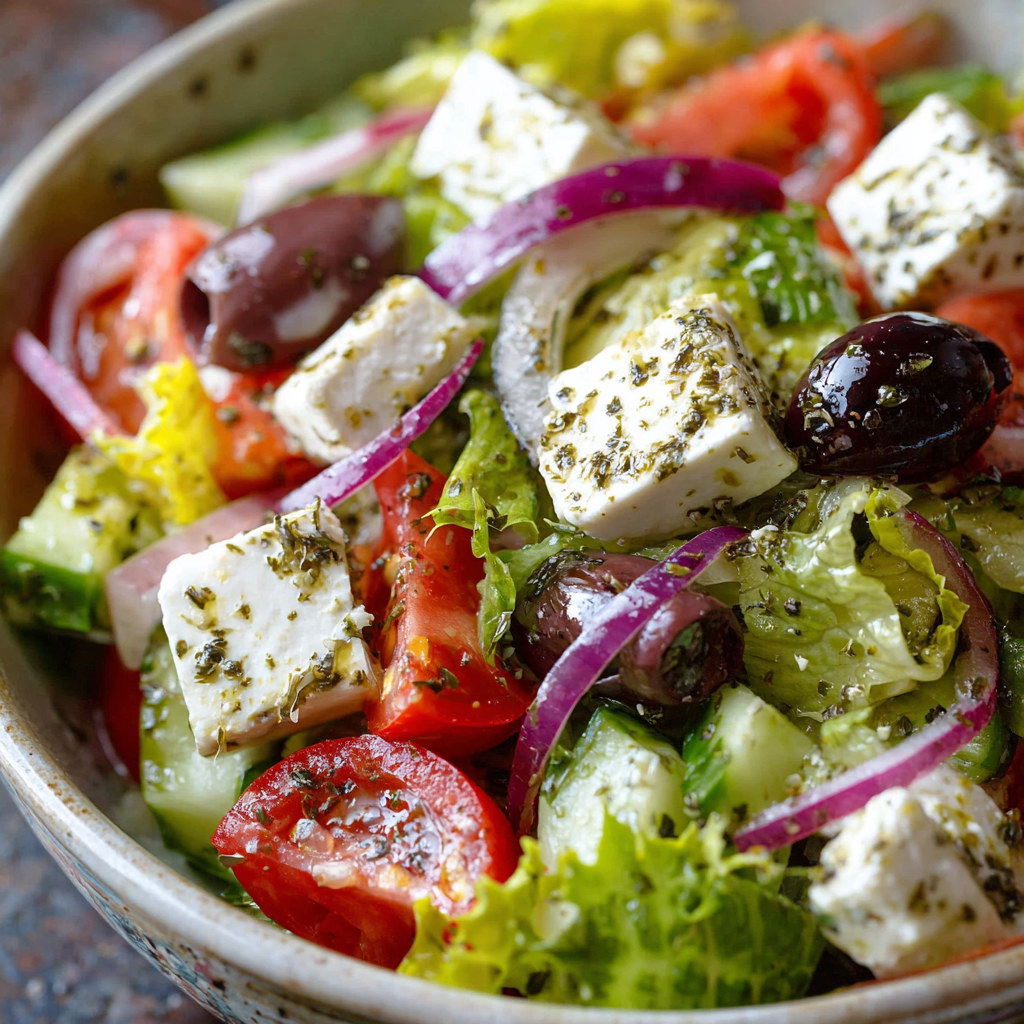
- Romaine Lettuce: 4 cups, chopped. Provides a sturdy, refreshing base that holds up to heavy dressing.
- Cucumber: 1 large English cucumber, thinly sliced diagonally. English cucumbers have fewer seeds and thinner skin, meaning less water release.
- Tomatoes: 2 medium vine-ripened tomatoes, chopped. Vine-ripened offer the best balance of acid and sweetness.
- Red Onion: 1/2 small, thinly sliced. Soak these in ice water for 10 minutes if you find raw onion too aggressive.
- Kalamata Olives: 1/4 cup, pitted and sliced.
- Green Bell Pepper: 1 medium, diced for crunch.
- Pepperoncini: 2-3 peppers, sliced (optional but recommended for a tangy kick).
- Feta Cheese: 1/2 cup, preferably in a block crumbled by hand for better texture.
- Fresh Parsley: 1/4 cup, chopped.
For the Homemade Oregano Vinaigrette
- Extra Virgin Olive Oil: 1/3 cup. Use a robust, peppery oil if possible.
- Red Wine Vinegar: 2 tablespoons.
- Dried Oregano: 1 teaspoon. Ideally, rub it between your palms before adding to release essential oils.
- Lemon Juice: 2 tablespoons, freshly squeezed.
- Garlic: 1 clove, minced.
- Salt: 1/2 teaspoon.
- Black Pepper: 1/4 teaspoon, freshly cracked.
Crafting Your Culinary Masterpiece: Step-by-Step Instructions
Step 1: Make the Vinaigrette
In a medium bowl or a jar, combine the red wine vinegar, lemon juice, minced garlic, dried oregano, salt, and pepper. Whisk these together first. This ensures the salt dissolves in the acid before the oil is added.
Slowly drizzle in the extra virgin olive oil while whisking continuously. This process creates an emulsion—suspending tiny droplets of oil in the vinegar—which results in a creamy, velvety texture rather than a separated, greasy slick. Let this sit for at least 15 minutes. The dried oregano needs time to rehydrate and “bloom,” softening its texture and intensifying its aroma.
Step 2: Prep the Vegetables
While the dressing rests, chop your vegetables. Uniformity is key; aim for bite-sized pieces so you get a little of everything on your fork. Place the cucumbers, tomatoes, green bell pepper, red onion, and pepperoncini into a large bowl.
Step 3: Assemble and Toss
Add the romaine lettuce, kalamata olives, and fresh parsley. Pour about three-quarters of the homemade oregano vinaigrette over the salad. Toss gently with clean hands or tongs. Taste a leaf. Does it need more? Add the remaining dressing if necessary.
Top with the crumbled feta cheese just before serving. If you toss the feta in too early, it breaks down into a paste and disappears into the leaves.
The Star of the Show: Homemade Oregano Vinaigrette
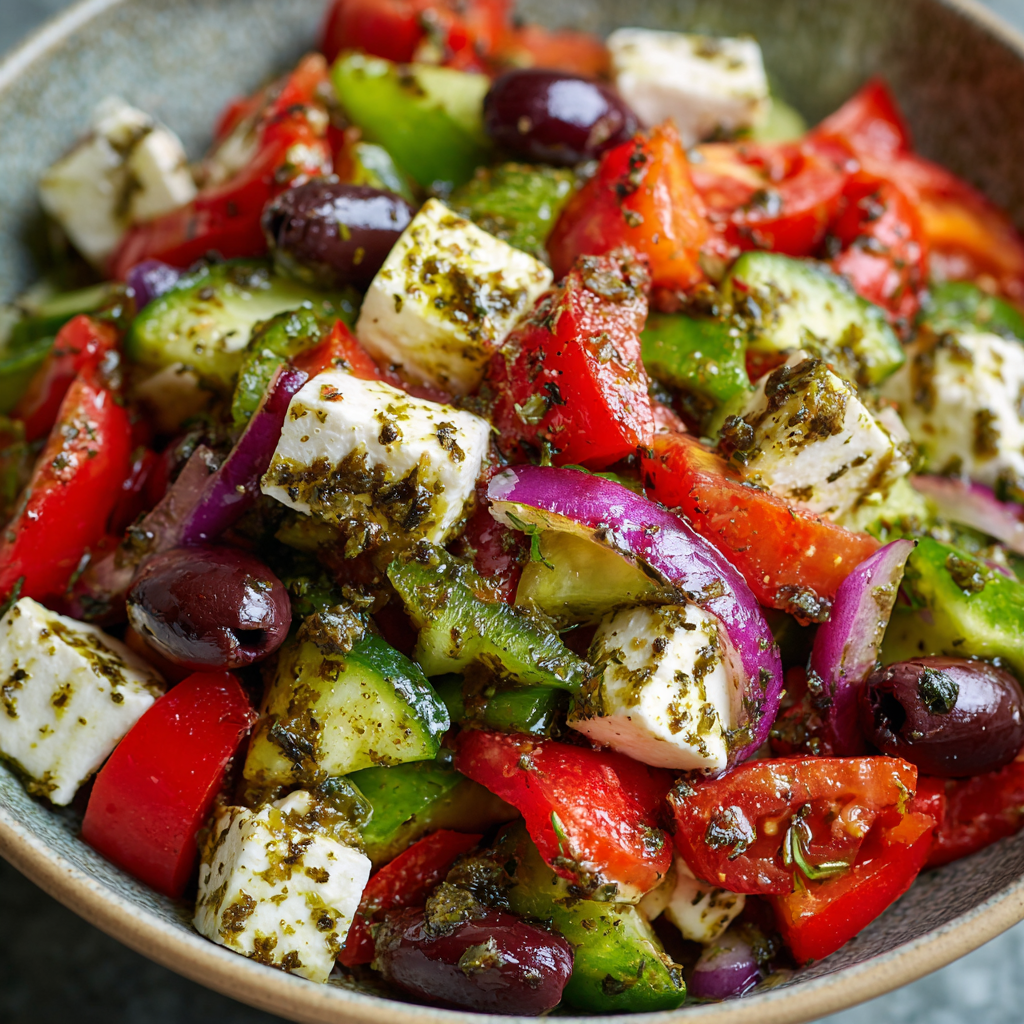
This vinaigrette is the workhorse of the recipe. The ratio of fat to acid (roughly 3:1 here) is calibrated to balance the richness of the oil with the sharpness of the vinegar and lemon.
Why dried oregano? In Greek cooking, dried oregano (specifically Rigani) is often preferred for dressings because the low moisture content concentrates the phenols responsible for its distinct, camphor-like aroma. When it sits in the acidic mixture, it rehydrates, infusing the dressing deeply. Fresh oregano often sits on the surface, delivering a milder, fleeting flavor.
Use this beyond the salad. It’s a superb marinade for lamb chops, a finishing oil for grilled shrimp, or a dip for warm pita. Stored in a sealed jar in the fridge, it keeps for a week—just let it come to room temperature before using, as olive oil solidifies when cold.
⚠️ Common Mistakes to Avoid for a Perfect Greek Salad
- Over-dressing the salad: A common error is drowning the greens. Start with less dressing than you think you need. You can always add more, but you can’t take it back.
- Using low-quality feta: Pre-crumbled feta often contains anti-caking agents that prevent it from melting properly and tasting creamy. Buy a block of sheep’s milk feta and crumble it yourself. The difference in texture is night and day.
- Ignoring tomato season: If you make this in winter with pale, firm tomatoes, the salad will suffer. In off-seasons, use high-quality cherry tomatoes or canned San Marzano tomatoes (drained) for better flavor.
- Soggy vegetables: Cucumbers and tomatoes release water when salted. If you are prepping this ahead, salt the cucumbers and let them drain in a colander for 20 minutes. It removes excess moisture, ensuring the salad stays crunchy for hours.
Elevate Your Meal: Serving Suggestions and Variations
This salad is substantial enough to stand alone, but it plays well with others.
- Protein Boost: Top with grilled chicken souvlaki, leftover rotisserie chicken, or seared shrimp. The vinaigrette doubles as a marinade for whatever protein you choose.
- Grain Bowl: Toss leftover salad with cooked quinoa or farro. The grains absorb the dressing and soften the sharp bite of the onions.
- Vegetarian Twist: Add chickpeas for extra fiber and protein.
- Sumac Finish: For a tart, red citrus note, sprinkle sumac over the top before serving. It’s a classic Middle Eastern spice that enhances the lemon notes in the dressing.
Storage Tips: Keeping Your Greek Salad Fresh
The best way to store leftovers? Don’t dress the whole salad if you plan on saving some. Keep the homemade oregano vinaigrette in a separate jar.
If you have leftover dressed salad, it will keep in an airtight container in the refrigerator for about 1 day. The vegetables will soften and release juices, creating a “juice” at the bottom known as papara in Greek—delicious for soaking up with bread, but texturally different from the fresh salad.
For meal prep, use the “jar method”: pour the dressing at the bottom of a mason jar, layer hearty vegetables (peppers, onions, cucumbers) in the middle, and top with the lettuce and feta. This keeps the greens dry and crisp for up to 4 days.
💡 Expert Tips for the Ultimate Greek Salad Experience
To take this from good to “make this every week” status, consider these pro insights:
- Rub the Oregano: Before adding dried oregano to the vinaigrette, rub it vigorously between your palms. This friction breaks down the dried leaves and warms the essential oils, making the flavor significantly more aromatic.
- Salt Your Tomatoes: If your tomatoes aren’t perfectly ripe, sprinkle them with a pinch of salt and let them sit for 10 minutes before adding them to the salad. This draws out moisture and concentrates the natural sugars.
- Temperature Matters: Serve the salad slightly chilled, but not ice-cold. Extreme cold numbs the tongue, muting the delicate flavors of the olive oil and feta.
- Don’t Skimp on Oil: A heavy hand with high-quality olive oil is traditional and necessary. It carries the flavor of the oregano and garlic, coating the palate and mellowing the acidity of the vinegar.
Frequently Asked Questions About Greek Salad
+Why is my Greek salad watery?
Watery salads usually stem from the vegetables releasing their natural moisture. Tomatoes and cucumbers are high in water content. To prevent this, salt your cucumbers and let them drain for 20 minutes before assembling, or serve the dressing on the side if you’re planning to eat leftovers later.
+Can I use fresh oregano instead of dried?
You can, but the flavor profile changes. Fresh oregano is more subtle and floral, while dried oregano is earthy and pungent. If using fresh, you’ll need about three times the amount (1 tablespoon) to achieve a similar flavor intensity, and you should chop it very finely.
+What is the difference between Greek salad and Horiatiki?
“Horiatiki” is the traditional Greek village salad. It typically contains no lettuce—just tomatoes, cucumbers, onion, olives, and a large slab of feta. The version popular in many Western countries (and this recipe) includes Romaine lettuce for extra crunch and volume.
+How long does homemade oregano vinaigrette last?
Stored in an airtight container in the refrigerator, this vinaigrette will keep for up to one week. The olive oil may solidify in the cold; simply let it sit at room temperature for 15 minutes or run the jar under warm water and shake to re-emulsify.
+Can I make this salad vegan?
Absolutely. Simply omit the feta cheese or replace it with a vegan alternative. To mimic the briny tang of feta, add a splash of the olive brine or a few capers to the salad.
+What pairs well with Greek salad?
This salad pairs beautifully with grilled meats like lamb or chicken. For a lighter meal, serve it with warm pita bread and hummus. The acidity of the vinaigrette cuts through rich, fatty meats, making it an ideal side dish for barbecues.
Conclusion
This Best Greek Salad Recipe With a Homemade Oregano Vinaigrette is proof that you don’t need complicated techniques to create something spectacular. It’s about respecting the ingredients—understanding how to treat a tomato, how to build an emulsion, and when to add the cheese. Whether you serve it as a side or pile on the protein for a main course, this recipe delivers the bright, bold flavors of the Mediterranean with every bite. So, make a double batch of that vinaigrette—you’re going to need it.
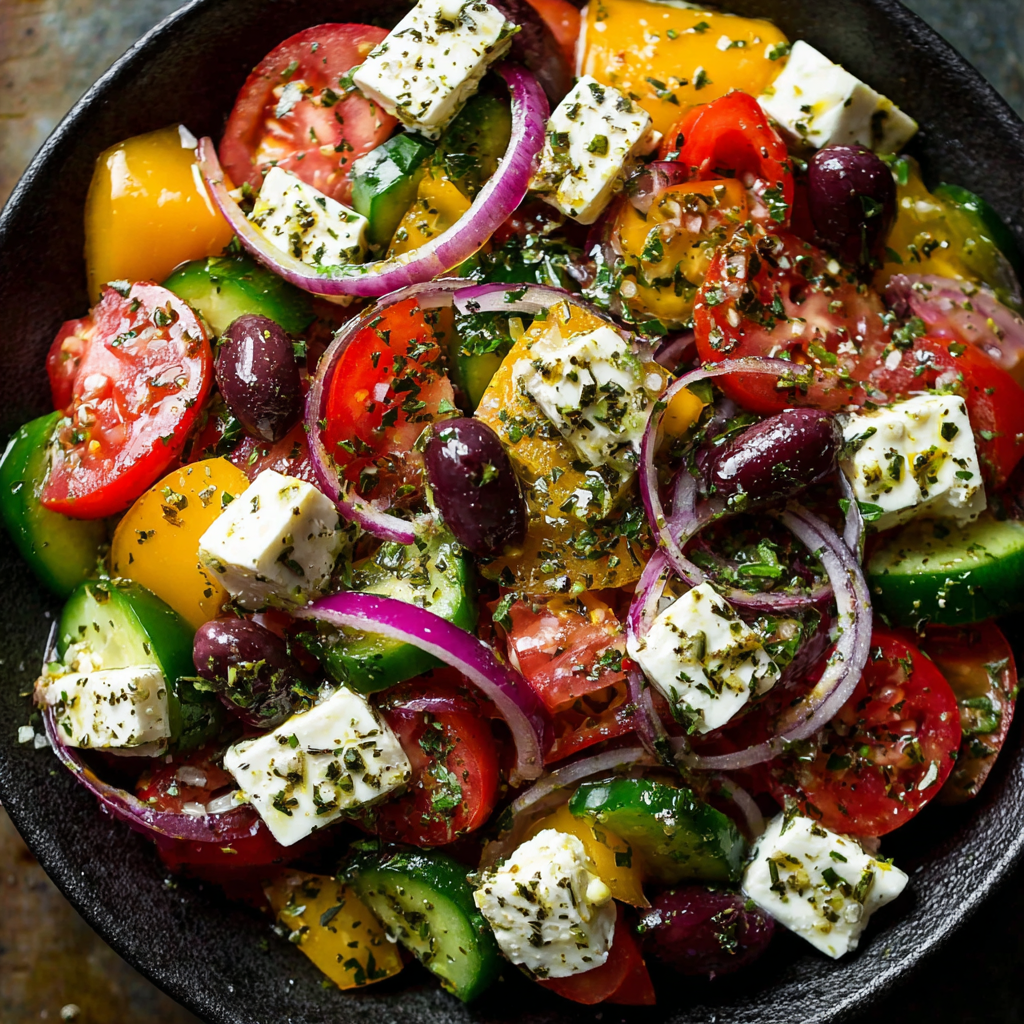
Best Greek Salad with Lemon Oregano Vinaigrette
Ingredients
Method
- To make the lemon oregano vinaigrette, combine the lemon juice, apple cider vinegar, oregano, and parsley in a small bowl or jar. While whisking vigorously, slowly pour in the olive oil until the mixture is emulsified. Refrigerate until ready to use.
- If serving with chicken, preheat a gas grill over medium-high heat. Pound the chicken breasts to an even thickness and season with salt and pepper. Brush with olive oil on each side and add to the grill. Cook for 4-6 minutes on each side, flipping only once. Remove to a plate and let rest for at least 5 minutes before slicing.
- Divide the spring lettuce mix, sliced cucumber, chopped tomato, sliced red onion, pepperoncini, and kalamata olives between two bowls or plates. Add grilled chicken breast, if desired. Drizzle with lemon oregano vinaigrette and serve immediately.
Notes
- For perfectly grilled chicken, use a meat thermometer to ensure the internal temperature reaches 165°F; this guarantees juicy, flavorful results without dryness.
- To prevent your vinaigrette from separating, whisk the olive oil in slowly while vigorously mixing; this creates a stable emulsion that holds together beautifully.
- If you're short on time, combine the cucumber, tomato, onion, olives, and pepperoncini in advance and store them in the fridge — just keep the lettuce separate until serving to maintain its crispness.
- For an extra flavor boost, consider adding capers or diced bell peppers to the salad; these ingredients complement the traditional flavors wonderfully.
- This salad can be stored in the fridge for up to 3 days, but keep the vinaigrette separate until ready to serve to keep the greens fresh and crisp.