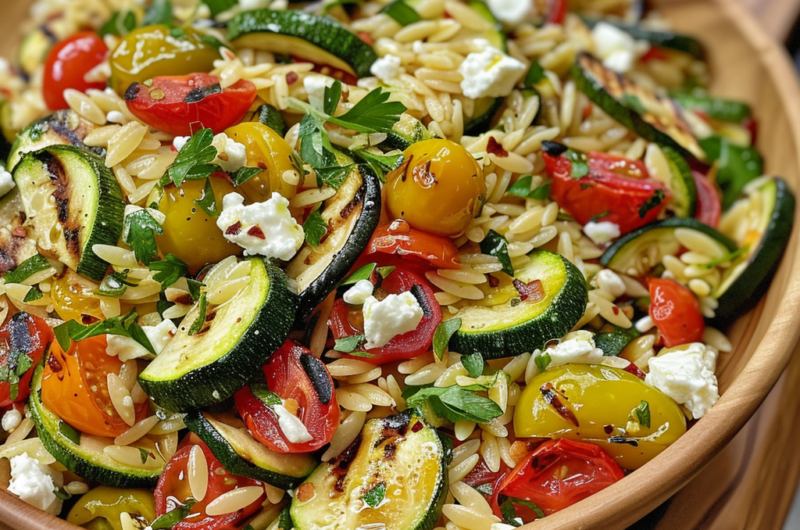
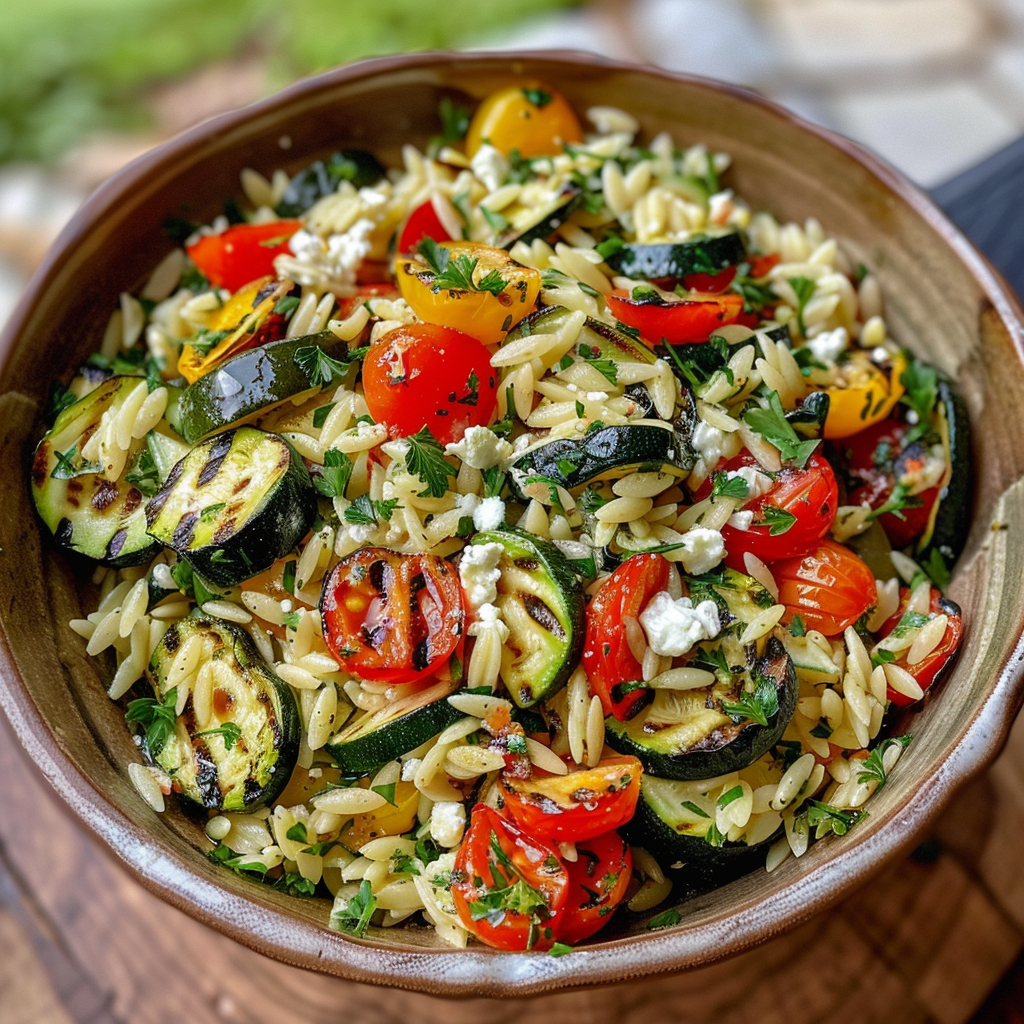
Smoky grilled vegetables, creamy feta, and tender orzo tossed in a bright lemon-herb vinaigrette — this hearty pasta salad actually gets better after a day in the fridge.
📋 In This Article
Introduction
Here’s the thing about most pasta salads: they’re an afterthought. Tossed together with bland vegetables and a bottled dressing, then left to languish under plastic wrap until they turn into a soggy, forgettable mess. This Hearty Mediterranean Orzo Pasta Salad with Grilled Vegetables and Feta for Meal Prep is the antidote to every sad salad you’ve ever suffered through.
The difference lies in the technique. Grilling the vegetables — zucchini, bell peppers, and red onion — transforms them. High heat drives off excess moisture and triggers the Maillard reaction, creating hundreds of new flavor compounds that raw vegetables simply don’t have. That char you see? It’s not just pretty. It’s chemistry. And it’s why this salad has the depth to stand up to a week of lunches without tasting like leftovers.
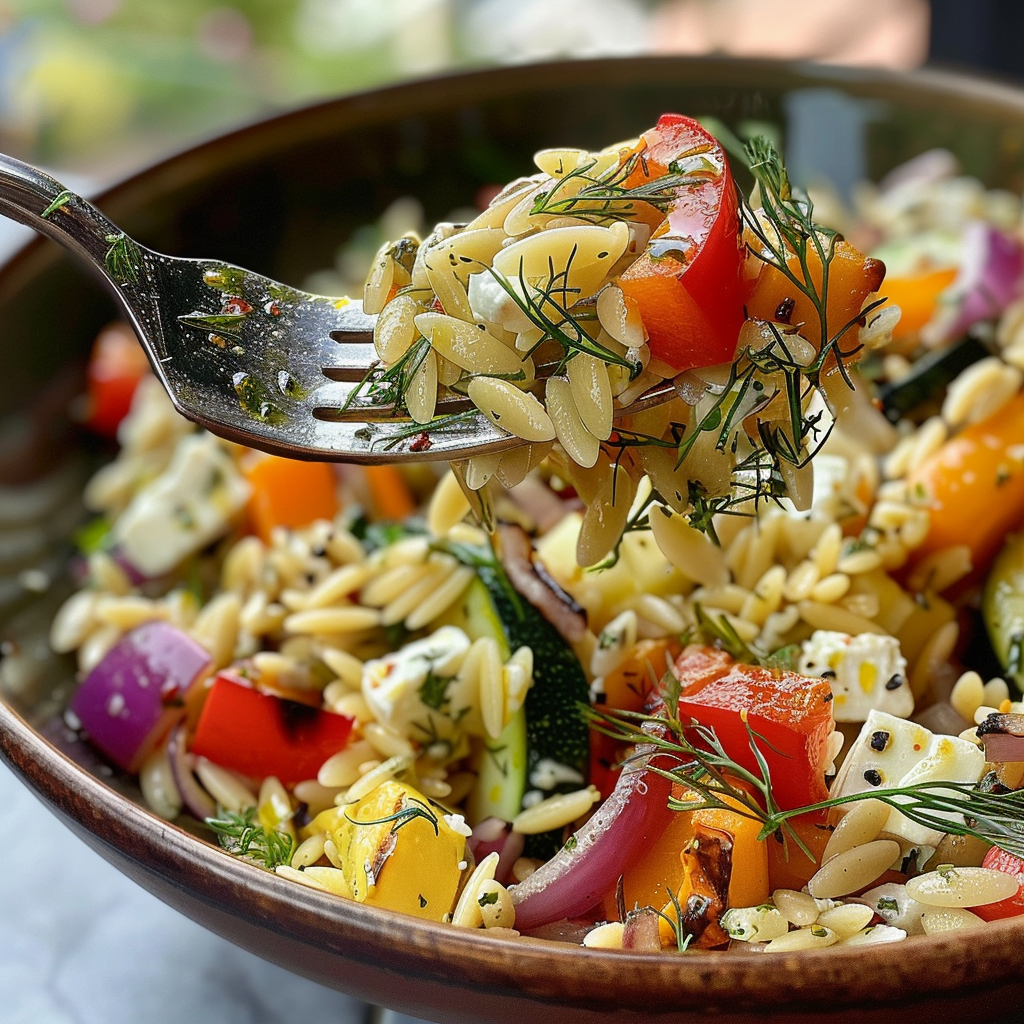
Orzo behaves differently than standard pasta shapes in cold salads. Its small, rice-like form means more surface area for the vinaigrette to cling to, ensuring every bite is seasoned rather than just coated. When you combine that with briny Kalamata olives, creamy feta, and fresh herbs, you get something that doesn’t just survive meal prep — it thrives on it.
Why This Recipe Works
Most pasta salads fail for one of three reasons: mushy pasta, watery vegetables, or a dressing that separates and pools at the bottom of the container. I’ve made all these mistakes. The first time I brought a pasta salad to a potluck, someone politely asked if it was “supposed to be that wet.” It was not.
This recipe solves each problem systematically:
The orzo. Cooking to al dente and immediately rinsing with cold water halts the cooking process by dropping the pasta temperature below the gelatinization point of starch. This stops the pasta from continuing to soften as it cools. A light coating of olive oil prevents the grains from clumping together in the fridge.
The vegetables. Grilling at medium-high heat (around 400-425°F) evaporates surface moisture quickly, which means the vegetables caramelize rather than steam. Steamed vegetables in a cold salad are a textural disappointment. Grilled vegetables bring structure and smoke.
The vinaigrette. A proper emulsion — oil suspended in droplets within the acid — clings to ingredients rather than sliding off. The key is whisking vigorously while slowly adding the oil, or using a jar and shaking for a full 30 seconds. The mustard in this recipe acts as an emulsifier, thanks to compounds called mucilages that stabilize the mixture.
Ingredients You’ll Need
For the Salad
- 1 cup orzo pasta — The small, rice-shaped pasta absorbs flavor beautifully while maintaining a satisfying bite.
- 1 medium zucchini — Sliced into planks for grilling; look for firm, unblemished skin.
- 1 medium yellow squash — Adds color contrast and mild sweetness.
- 1 red bell pepper — Cored and quartered; the sweetness balances the briny elements.
- 1 yellow bell pepper — For visual appeal and additional sweetness.
- 1 medium red onion — Sliced into thick rounds; grilling tames the sharpness.
- 1 cup cherry tomatoes, halved — Added fresh after grilling for brightness and texture.
- 1 medium cucumber, diced — Persian or English cucumbers work best; no seeding required.
- ½ cup pitted Kalamata olives, halved — Essential for that briny, salty punch.
- 7-8 ounces good quality feta cheese, crumbled — Greek feta in brine has superior texture and tang.
- ¼ cup fresh parsley, chopped — Adds an herbal brightness that dried herbs can’t replicate.
- ¼ cup fresh mint, chopped — Unexpected but traditional in Greek cooking; it lifts the heavy elements.
For the Lemon-Herb Vinaigrette
- 3 tablespoons extra virgin olive oil — Use a robust, peppery oil; you’ll taste the difference.
- 2 tablespoons fresh lemon juice — About one large lemon; bottled juice lacks the aromatic oils from the zest.
- 1 tablespoon red wine vinegar — Provides a sharper acid note than lemon alone.
- 1 teaspoon Dijon mustard — The emulsification agent that keeps your dressing stable.
- 2 cloves garlic, minced — Fresh only; the raw garlic gives the vinaigrette its backbone.
- 1 teaspoon dried oregano — Greek oregano if you can find it; it’s more pungent and earthy.
- ½ teaspoon salt — Start here and adjust after tasting.
- ¼ teaspoon black pepper — Freshly cracked for the best flavor release.
Optional Additions
- 1 cup cooked chickpeas — For protein and a nutty, creamy element.
- 1 cup grilled chicken, diced — Makes this a main-course salad.
Equipment Needed
Nothing fancy here, but the right tools make the process smoother:
- Grill or grill pan — An outdoor grill imparts the best smoky flavor, but a cast-iron grill pan works beautifully indoors.
- Large pot — For boiling the orzo; salt the water generously.
- Colander — Essential for draining and rinsing the pasta.
- Large mixing bowl — You’ll need room to toss everything together.
- Small jar with lid or bowl and whisk — For the vinaigrette, a jar is foolproof for emulsification.
- Sharp knife and cutting board — For prepping vegetables.
- Meal prep containers — Glass containers with tight-fitting lids preserve freshness best.
Step-by-Step Instructions
1. Cook the Orzo
Bring a large pot of water to a rolling boil. Add a generous tablespoon of salt — the water should taste like a well-seasoned soup. Add the orzo and cook according to package directions, usually 8-10 minutes, but start checking at 7 minutes. You want al dente: tender but with a slight resistance at the center.
Drain immediately and rinse under cold running water for at least 30 seconds. This stops the cooking process and washes away surface starch that would otherwise make the pasta gummy. Toss the drained orzo with a teaspoon of olive oil to prevent sticking.
2. Grill the Vegetables
While the water heats, prepare your vegetables. Slice the zucchini and yellow squash into ½-inch planks. Core the bell peppers and quarter them. Cut the red onion into ½-inch thick rounds, keeping the layers intact.
Preheat your grill or grill pan to medium-high heat — around 400°F if you have a thermometer. Toss the vegetables in a tablespoon of olive oil and season generously with salt and pepper.
Place the vegetables on the grill in a single layer. Don’t crowd them, or they’ll steam instead of char. Grill for 4-5 minutes per side, until you see distinct grill marks and the vegetables are tender but not collapsing. The peppers may take slightly longer; the onion rounds slightly less.
Transfer grilled vegetables to a cutting board and let them cool for 5 minutes. Then chop into bite-sized pieces. The cooling period matters — cutting into hot vegetables releases moisture, which waters down your salad.
3. Make the Vinaigrette
In a small jar, combine the olive oil, lemon juice, red wine vinegar, Dijon mustard, minced garlic, oregano, salt, and pepper. Seal the lid tightly and shake vigorously for 30 seconds. The mixture should become slightly thicker and opaque — that’s your emulsion forming.
Taste and adjust. Need more acid? Add lemon juice. Too sharp? A small pinch of sugar balances it out.
4. Assemble the Salad
In your large mixing bowl, combine the cooled orzo, grilled vegetables, halved cherry tomatoes, diced cucumber, olives, feta, parsley, and mint. Pour about three-quarters of the vinaigrette over the salad and toss gently but thoroughly.
Here’s where restraint matters: you can always add more dressing, but you can’t take it back. The salad should glisten, not swim.
5. Chill and Serve
Cover the bowl and refrigerate for at least 30 minutes before serving. This resting period allows the flavors to meld — the orzo absorbs the vinaigrette, the herbs infuse the mixture, and the feta distributes its salty tang throughout.
Before serving, taste again. Cold temperatures dull flavors, so you may need to add the remaining dressing or an extra pinch of salt.
The Science of Cold Pasta Salads
Why does this salad taste better the next day? It comes down to flavor permeation. When pasta cools, its starch molecules retrograde — they recrystallize into a more ordered structure. This creates microscopic pockets that trap the vinaigrette’s flavor compounds. Over 24 hours, those compounds diffuse throughout the salad, seasoning it from within rather than just coating the surface.
The same principle applies to the vegetables. Grilled zucchini that tastes merely good on day one develops a concentrated, almost meaty depth by day two. The salt has drawn out moisture, which then reabsorbs, carrying flavor deeper into the flesh.
This is why proper seasoning at each stage matters. If you wait until the end to add salt, you’re only seasoning the surface. Season the pasta water, season the vegetables before grilling, and season the vinaigrette. Layered salt builds complexity.
⚠️ Common Mistakes to Avoid
Overcooking the orzo. This is the most common failure point. Orzo is small, which means it goes from al dente to mush quickly. Set a timer for 2 minutes less than the package suggests, then taste every minute. Better to pull it slightly under — it will continue softening as it cools.
Grilling at too low a temperature. If your grill isn’t hot enough, the vegetables will release moisture and steam rather than char. You want that aggressive heat to create the Maillard reaction — the browning that produces hundreds of new flavor compounds. If you don’t see grill marks within 2 minutes, your grill isn’t hot enough.
Skipping the rinse. I used to skip this step, thinking it washed away flavor. It doesn’t. What it does is stop the cooking and remove surface starch. Without rinsing, your orzo will clump into a starchy mass as it cools.
Under-seasoning. Cold food requires more salt than hot food. Temperature affects taste perception — cold suppresses flavor. If your salad tastes properly seasoned at room temperature, it will taste bland after chilling. Season aggressively, then chill, then taste again.
Adding the dressing too early for meal prep. If you’re prepping this salad for more than 3 days ahead, store the vinaigrette separately. The acid in the dressing will eventually break down the vegetables’ cell walls, turning crisp cucumber into something sadder.
Meal Prep & Storage Tips
This salad is built for the week ahead. Here’s how to keep it at its best:
Refrigeration. Store in an airtight container for up to 5 days. Glass containers work best — they don’t absorb odors and they seal more effectively than plastic.
Dressing strategy. If you’re eating this over several days, store the vinaigrette in a separate jar and dress each portion just before eating. This preserves the vegetables’ texture and prevents the orzo from becoming overly soft.
Refresh before serving. After a day in the fridge, the salad may seem dry — the orzo continues to absorb liquid. Add a splash of olive oil and a squeeze of lemon, then toss to revive it.
Freezing. Don’t do it. The texture of both the orzo and the vegetables will suffer. The water content in the vegetables forms ice crystals that rupture cell walls, resulting in a mushy, watery mess upon thawing.
Variations & Customizations
This recipe is a template, not a law. Adapt it to what you have and what you like:
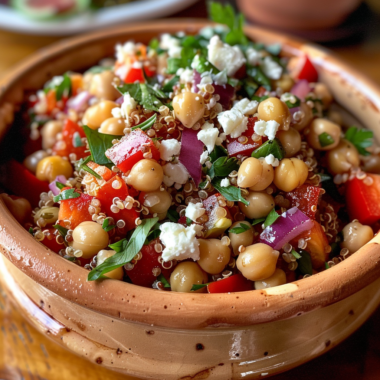
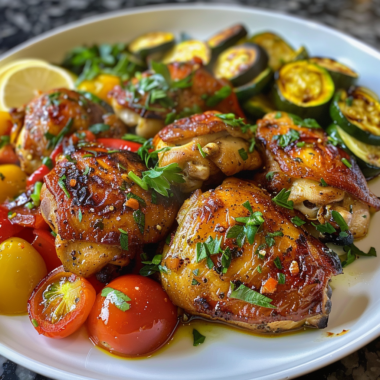
Protein additions. Grilled chicken thighs, diced and added warm, turn this into a main-course salad. Chickpeas offer a vegetarian protein that also contributes a creamy, nutty element. Canned chickpeas work fine — rinse and drain them well before adding.
Different vegetables. Eggplant grills beautifully; slice into thick rounds and treat it the same as the zucchini. Asparagus can be grilled whole, then chopped. Artichoke hearts (from a jar, drained) add a tangy depth without any cooking.
Cheese alternatives. Goat cheese is softer and tangier than feta — it will partially dissolve into the salad, creating a creamier texture. For a dairy-free version, skip the cheese entirely and add extra olives or a handful of toasted pine nuts for richness.
Gluten-free adaptation. Gluten-free orzo exists, though the texture differs slightly. Barilla and Jovill make reliable versions. Cook according to package directions, as gluten-free pasta behaves differently than wheat pasta.
Dressing variations. Replace the lemon-herb vinaigrette with a spoonful of prepared pesto for a richer, more herbal profile. A balsamic vinaigrette works too, though it will darken the salad’s appearance.
Serving Suggestions
This salad stands alone as a light lunch, but it also plays well with others:
Serve it alongside grilled lamb chops or roast chicken for a larger meal. The acidity cuts through rich meats, cleansing the palate between bites.
For a mezze-style spread, pair it with hummus, baba ganoush, and warm pita. The salad’s brightness balances the creamy, smoky dips.
At a potluck, this travels beautifully. Unlike mayonnaise-based salads, there’s no food-safety anxiety about leaving it at room temperature for a couple of hours.
💡 Pro Tips for Success
Marinate the vegetables before grilling. A 30-minute soak in olive oil, lemon juice, and dried oregano infuses flavor before the vegetables ever hit the heat. The oil also helps prevent sticking to the grill grates.
Don’t move the vegetables too soon. When you place vegetables on a hot grill, they initially stick. Patience. After 3-4 minutes, they’ll release naturally when properly charred. If you try to move them too early, you’ll tear the surface and lose those beautiful grill marks.
Let the salad come to room temperature before serving. Cold suppresses flavor. Taking the salad out of the fridge 15-20 minutes before eating allows the flavors to express themselves fully.
Make extra vinaigrette. It keeps for two weeks in the refrigerator and works on everything from green salads to roasted vegetables to marinades for chicken.
Frequently Asked Questions
+Why is my pasta salad watery?
Watery pasta salad usually comes from one of two sources: under-drained pasta or vegetables that released moisture. Make sure you rinse the orzo thoroughly and let it drain for a full minute. For vegetables, grilling drives off excess moisture before it hits the salad. If you’re using raw vegetables like cucumber, salt them lightly and let them sit for 10 minutes, then pat dry before adding.
+Can I make this salad ahead of time?
Yes — in fact, it’s better that way. The flavors meld and deepen over 24 hours. For meal prep beyond 3 days, store the vinaigrette separately and dress each portion just before eating to maintain the best texture.
+How do I know when the orzo is perfectly cooked?
Taste it. The package directions are a guideline, not a rule. Al dente means tender but with a slight bite at the center. Remember that the pasta will continue cooking slightly from residual heat after draining, so pull it just before you think it’s done.
+Can I use a different pasta shape?
You can, but the salad will behave differently. Larger shapes like penne or farfalle have less surface area relative to volume, which means less dressing clings to each piece. Orzo’s small size creates a higher dressing-to-pasta ratio, which is why the flavor is so pronounced.
+How long does this salad last in the fridge?
Properly stored in an airtight container, it keeps for 4-5 days. The texture is best within the first 3 days; after that, the vegetables begin to soften. If you notice any off odors or sliminess, discard it.
+What can I substitute for feta cheese?
Goat cheese is the closest substitute — tangy and creamy, though softer. For a dairy-free option, try a cashew-based feta alternative or simply omit the cheese and add extra olives for saltiness.
+Can I roast the vegetables instead of grilling?
Absolutely. Spread them on a baking sheet in a single layer and roast at 425°F for 20-25 minutes, flipping halfway through. You won’t get the same smoky char, but the concentrated flavor from roasting is still excellent.
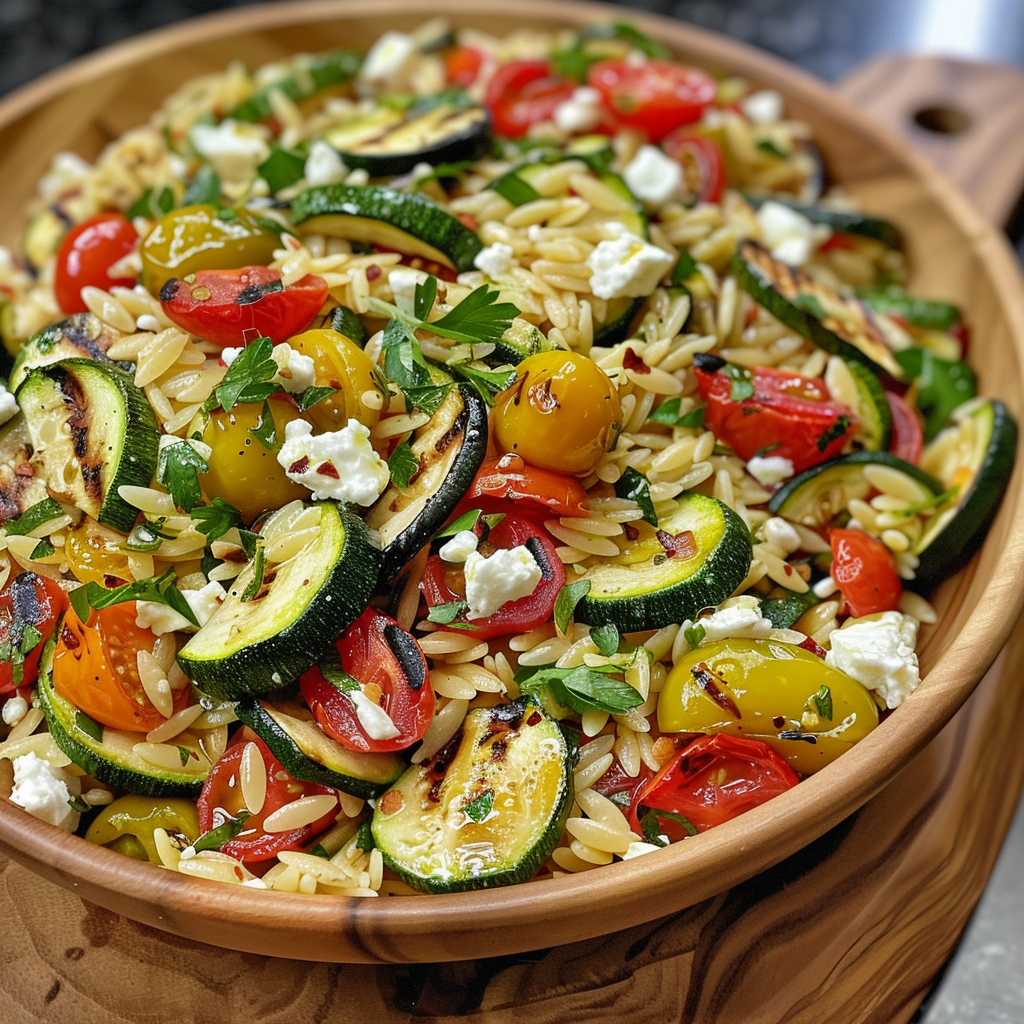
Grilled Vegetable Salad with Orzo Pasta
Ingredients
Method
- Cook 1 cup orzo pasta in boiling water according to package directions for al dente pasta. Drain the pasta through a mesh strainer while rinsing it with cold water to cool it completely. Transfer the well-drained orzo to a large bowl and set aside to rest.
- FOR THE VEGETABLES:
- FOR ROASTING VEGGIES - if you don't have a grill
- ASSEMBLE THE SALAD
Notes
- For perfectly cooked orzo, keep an eye on the clock and taste it a minute or two before the package instructions suggest; it should be tender but still have a slight bite.
- To prevent the grilled vegetables from burning, toss them in olive oil and season them just before grilling; this ensures they get a nice char without drying out.
- For a creamier feta texture, opt for a block of feta and crumble it yourself rather than using pre-crumbled varieties, which can be drier and less flavorful.
- If you’re short on time, you can roast the vegetables in the oven at 425°F for about 20-25 minutes, stirring halfway through for even cooking, instead of grilling them.
- Store any leftover salad in the fridge for up to 3 days; just be aware that the orzo will absorb more dressing over time, so you may want to add a splash of lemon vinaigrette before serving again.