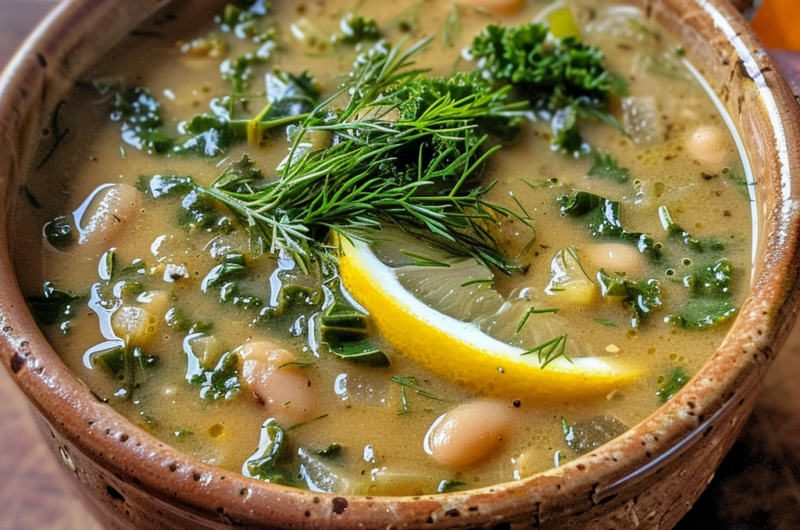
A velvety, nutrient-dense bowl of comfort that comes together in 30 minutes—no cream required.
📋 In This Article
- Introduction
- Why This Soup Works: The Science of Satisfaction
- Essential Ingredients for a Flavorful & Healthy Bowl
- Step-by-Step Cooking Instructions
- Common Mistakes to Avoid for a Perfect Soup
- Variations & Customizations: Make It Your Own
- Storage & Meal Prep Tips
- Pro Tips for Next-Level Flavor
- Frequently Asked Questions (FAQ)
- Conclusion & Call to Action
Introduction
There’s a specific kind of satisfaction found in a pot of white bean soup. It’s humble, unassuming, and often overlooked for flashier dinners, yet it delivers exactly what you need: warmth, sustenance, and a surprising depth of flavor. This Hearty Mediterranean White Bean & Kale Soup with Lemon & Dill is the kind of recipe that bridges the gap between “good for you” and “I actually want to eat this.”
I’ve spent years testing bean soups, and the common failure is texture—too thin or too mushy. Here, we solve that by mashing half the beans. It creates a creamy, luxurious broth without a drop of heavy cream. Combined with the brightness of fresh lemon and the grassy punch of dill, this soup is a masterclass in balancing flavors. It’s the dinner you want when the weather turns cold or when you just need a reset button on your week.
Why This Soup Works: The Science of Satisfaction
We often hear that soup is “healthy,” but let’s look at why this specific combination works so well for your body and your palate.
The texture is key. By mashing half the beans, you release their starches into the broth. These starches gelatinize during the simmer, thickening the liquid into a velvety consistency that clings to the spoon. This isn’t just culinary technique; it’s physics. The starch molecules trap water, creating a body that feels indulgent despite being entirely dairy-free.
From a nutritional standpoint, the extra virgin olive oil does more than add fruitiness. It acts as a vehicle for fat-soluble vitamins. The Vitamin K and Vitamin A found in kale require fat to be properly absorbed by the body. If you skipped the oil, you’d literally be flushing those nutrients away. Finally, the lemon juice added at the end isn’t just for flavor. It cuts through the richness of the beans and oil, providing a high note that makes the savory flavors pop.
Essential Ingredients for a Flavorful & Healthy Bowl
- Cannellini Beans: The backbone of the soup. Two cans are standard; their creamy interior is perfect for mashing. Great Northern beans work, but they are slightly starchier and less buttery.
- Fresh Kale: Lacinato (dino) kale is best because its texture holds up well during the simmer without getting stringy. Curly kale is a fine substitute, but remove the tough ribs.
- Vegetable Broth (Low Sodium): Controlling salt is crucial. Low-sodium broth allows you to season the final dish to your specific taste profile.
- Extra Virgin Olive Oil: Use a high-quality oil here. Since it’s a primary flavor carrier, a peppery, grassy oil will shine through.
- Yellow Onion, Carrot, and Celery: The classic soffritto or mirepoix. This trio creates the aromatic foundation for almost every great soup.
- Garlic Cloves: Fresh is non-negotiable. Pre-minced jars carry an acetic acid flavor that ruins the delicate balance of a white bean soup.
- Lemon: You need both the zest and the juice. The zest contains essential oils that provide a floral top note, while the juice adds the sharp acid.
- Fresh Dill: Dried dill loses its anise-like sweetness quickly. Fresh dill adds a fragrant finish that dried herbs simply cannot replicate.
Step-by-Step Cooking Instructions
- Prep the Base: Rinse and drain two cans of white beans. Grab a fork or potato masher and mash half of the beans in a bowl until they resemble a coarse paste. This step is the secret to a thick, restaurant-quality broth. Chop the kale into bite-sized pieces, discarding the woody stems, and zest your lemon.
- Sauté the Aromatics: In a large heavy pot or Dutch oven, heat 2 tablespoons of olive oil over medium heat. Add the diced onion, carrot, and celery along with a pinch of salt. Sauté for about 5 to 7 minutes. You aren’t browning them here; you are “sweating” the vegetables to draw out moisture and soften their cell walls, which releases sweetness.
- Bloom the Spices: Add the garlic, dried oregano, and red pepper flakes. Stir constantly for just one minute. Garlic burns fast—burnt garlic is bitter and will ruin the pot. You want it fragrant and just turning golden.
- Simmer and Meld: Pour in 4 cups of vegetable broth and add the bay leaf. Scrape the bottom of the pot to release any fond (those sticky, flavorful browned bits). Add the mashed beans and the whole beans. Bring to a boil, then reduce heat to low and simmer for 10 minutes.
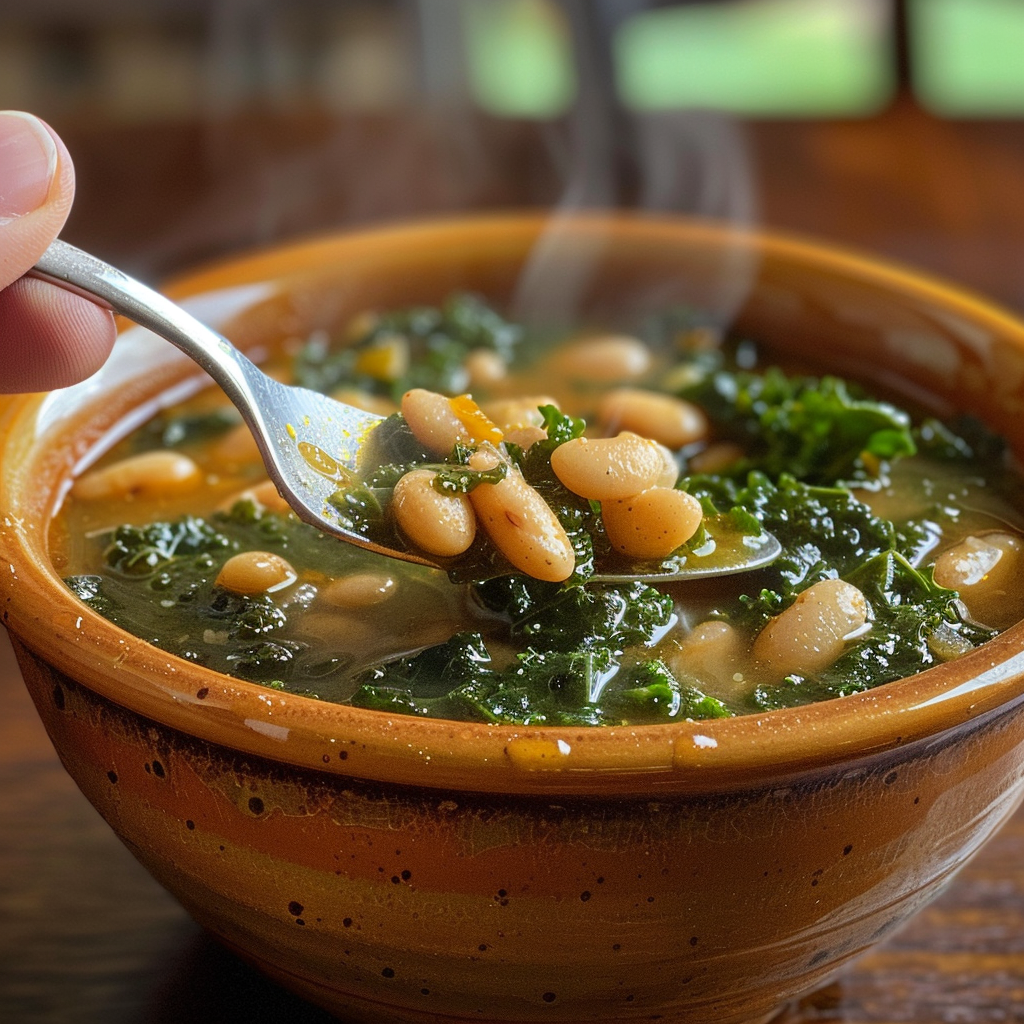
- Wilt the Greens: Stir in the chopped kale. It will look like a lot, but it wilts down significantly. Simmer for another 5 to 8 minutes until the kale is tender but still retains a slight chew.
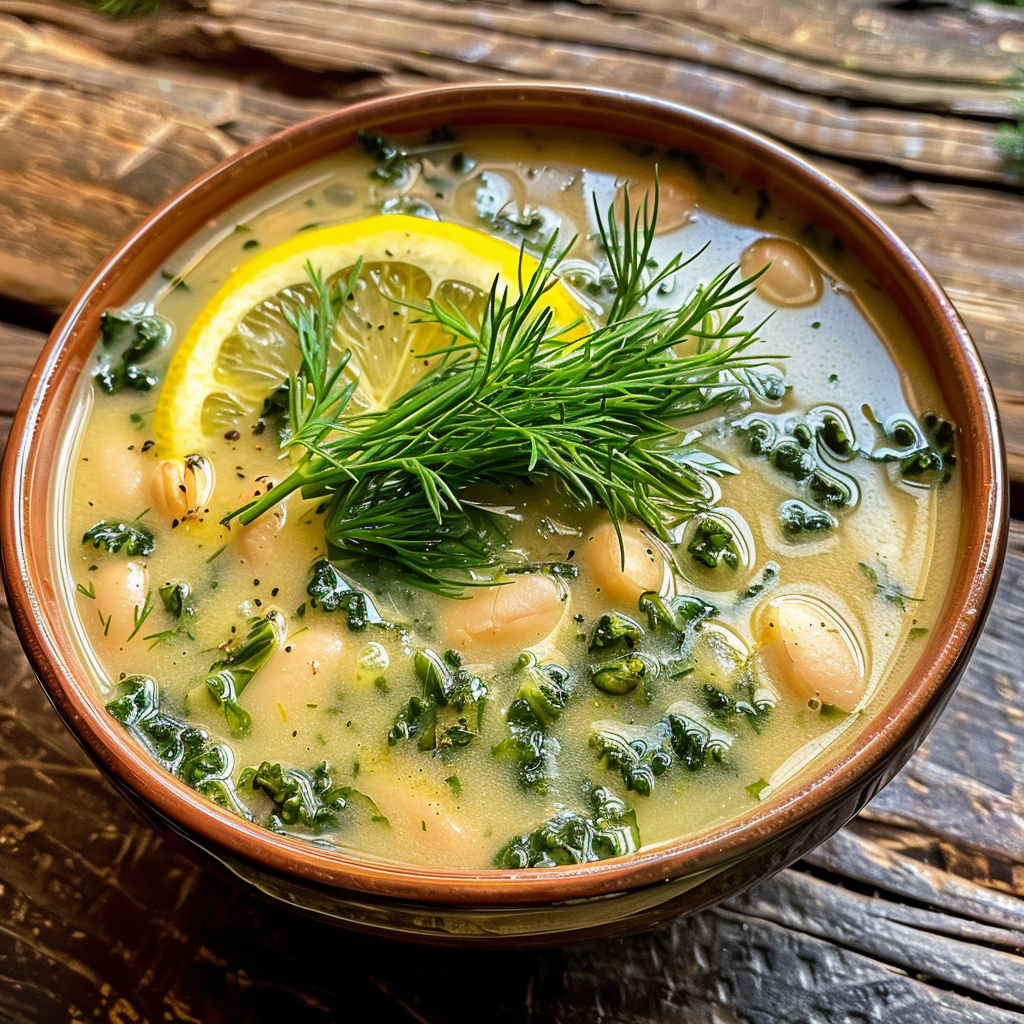
- Finish with Brightness: Turn off the heat. Remove the bay leaf. Stir in the lemon zest, the juice of half the lemon, and the fresh dill. Taste. Does it need more salt? Probably. More lemon? Maybe. Adjust it now. I used to rush this step, adding the lemon earlier, but it dulls the flavor—always add acid at the end.
⚠️ Common Mistakes to Avoid for a Perfect Soup
Even simple soups can go wrong. Here is how to sidestep the pitfalls.
Overcooking the Kale Kale is hearty, but it isn’t invincible. If you boil it for 30 minutes, it turns into a drab, mushy mess. Add it in the last 10 minutes of cooking. This preserves its vibrant green color and a texture that actually offers some resistance to the tooth.
Under-Salting the Broth Vegetable broth can be bland. If you wait until the end to season, the beans will remain tasteless on the inside. Salt your sautéing vegetables and taste the broth midway. Remember, you can always add more, but you can’t take it out.
Adding Acid Too Early Acid toughens vegetable fibers. If you add the lemon juice with the broth, the kale will stay tough and the beans won’t soften properly. Save the acid for the final moments to keep the texture right and the flavor bright.
Variations & Customizations: Make It Your Own
This soup is a template, not a rulebook.
- Protein Boost: For a non-vegan version, browned Italian sausage or leftover shredded chicken adds a savory depth. If you go this route, brown the meat first, remove it, and then sauté your vegetables in the rendered fat for maximum flavor.
- Texture Variations: If you prefer a completely smooth soup, blend the entire pot with an immersion blender. If you want more crunch, top with toasted croutons or sunflower seeds.
- Herb Swaps: No dill? Fresh parsley or basil offers a different but equally refreshing finish. Rosemary is excellent if you want a more piney, earthy profile, but add it earlier in the simmer so it softens.
Storage & Meal Prep Tips
This soup is arguably better the next day, making it ideal for meal prep.
Refrigeration Cool the soup to room temperature before sealing. Store in an airtight container for up to 4 days. The flavors will continue to meld, making the broth even more robust.
Freezing Freeze in individual portions for up to 3 months. One tip: the texture of kale changes slightly after freezing (it gets softer), but it’s still delicious. Thaw overnight in the fridge for the best texture retention.
Reheating Reheat gently over medium-low heat. If the soup has thickened too much in the fridge (the starches continue to absorb liquid), add a splash of water or broth to loosen it up.
💡 Pro Tips for Next-Level Flavor
The “Mash” Technique Don’t skip mashing half the beans. It creates an emulsion of starch and liquid that results in a creamy mouthfeel. This is a technique used in high-end Italian cooking to give “poor man’s” ingredients a luxurious feel.
Homemade Broth Matters Since the broth is a main ingredient, use the best one you can find. Many store-bought brands taste like dirty water. If you must use them, enhance the broth by sautéing a tomato paste or adding a parmesan rind during the simmer (remove before serving).
Serving Suggestion Serve with a drizzle of your best extra virgin olive oil and a crusty slice of sourdough. The bread isn’t just a side; it’s a vehicle for sopping up that thickened, flavorful broth.
Frequently Asked Questions (FAQ)
+Can I use dried beans instead of canned?
Yes, but plan ahead. Soak 1 cup of dried beans overnight, then simmer them until tender before adding them to the soup. This yields a slightly creamier texture than canned, but the convenience of canned is hard to beat for a weeknight meal.
+Why is my white bean soup bland?
Blandness usually comes from three places: insufficient salt, lack of acid, or undercooked aromatics. Ensure you salt the vegetables while sautéing, and don’t skimp on the lemon juice at the end. Fat carries flavor, so make sure you have enough olive oil as well.
+Can I use spinach instead of kale?
You can, but adjust the cooking time. Spinach wilts in seconds, so add it only in the final minute of simmering. Kale requires a few minutes to soften, whereas spinach will turn to mush if cooked too long.
+How long does this soup last in the fridge?
Properly stored, it will keep for 3 to 4 days. Because of the high starch content from the beans, the soup will thicken as it sits. Add a splash of water when reheating to return it to the desired consistency.
+Is this soup freezer-friendly?
Absolutely. This soup freezes well for up to 3 months. For best results, freeze in flat, gallon-sized bags so they stack easily in your freezer. Thaw overnight in the refrigerator before reheating.
Conclusion & Call to Action
The Hearty Mediterranean White Bean & Kale Soup with Lemon & Dill is more than just a healthy dinner option; it is a lesson in how simple ingredients, treated with respect, can yield extraordinary results. It is cheap to make, fast to prepare, and leaves you feeling genuinely nourished.
Try this recipe tonight and see how the simple act of mashing a few beans transforms your soup from a watery broth into a velvety, satisfying meal. Did you try the variation with sausage or stick to the vegan classic? Let us know in the comments below or share your bowl with us on social media.
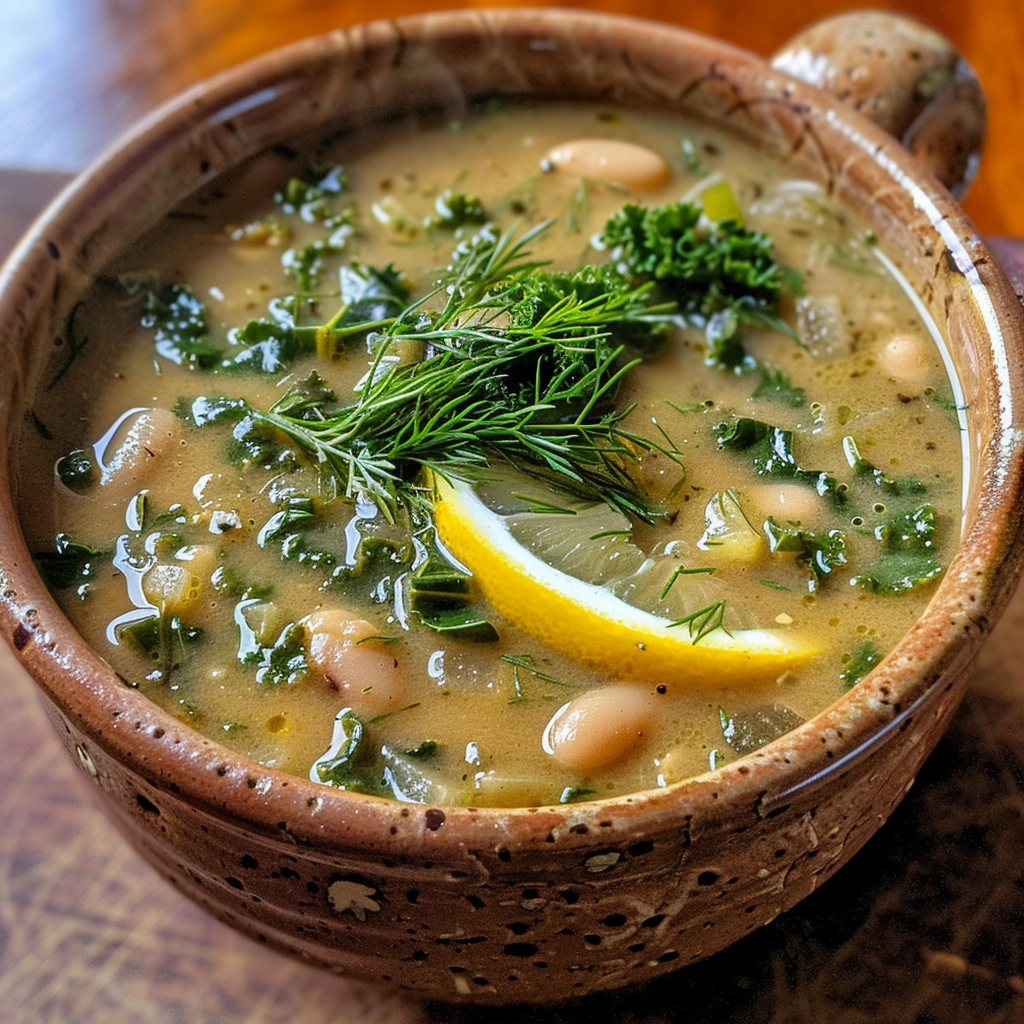
Lemony Tuscan White Bean and Kale Soup
Ingredients
Method
- Drain and rinse 3 (about 15-ounce) cans white beans. Transfer half of the beans to a medium bowl and mash with a potato masher or bottom of a flat measuring cup until mostly smooth.
- Heat 2 tablespoons olive oil in a Dutch oven or medium pot over medium heat until shimmering. Add 1 diced medium yellow onion, 1 sliced medium carrot, 1 diced medium celery stalk, 2 fresh rosemary sprigs, 3 minced garlic cloves, 1 1/2 teaspoons kosher salt, and 1/4 teaspoon red pepper flakes if using. Cook, stirring occasionally, until softened, 5 to 8 minutes.
- Stir in the whole and mashed beans and 1 (32-ounce) carton low-sodium vegetable broth. Bring to a boil over medium-high heat. Reduce the heat to maintain a simmer and cook for 10 minutes to allow the flavors to meld.
- Remove and discard the rosemary sprigs. Stir 1 small bunch coarsely chopped flat-leaf kale leaves into the soup and simmer until the kale is tender and vibrant green, 3 to 5 minutes.
- Remove the pot from the heat. Stir in 3 tablespoons lemon juice. Taste and season with more kosher salt as needed.
- Recipe Notes
Notes
- For the best flavor, consider making your own vegetable broth; it allows the soup's simple ingredients to shine through.
- To ensure the kale retains its vibrant color and nutrients, add it to the soup just a few minutes before serving.
- This soup freezes exceptionally well, so make a double batch and store half for a quick meal later; just be sure to let it cool completely before freezing.
- If you want to switch things up, try using escarole or Swiss chard in place of kale for a different flavor profile.
- When reheating, do so gently over low heat to prevent the soup from thickening too much; adding a splash of broth can help restore its original consistency.