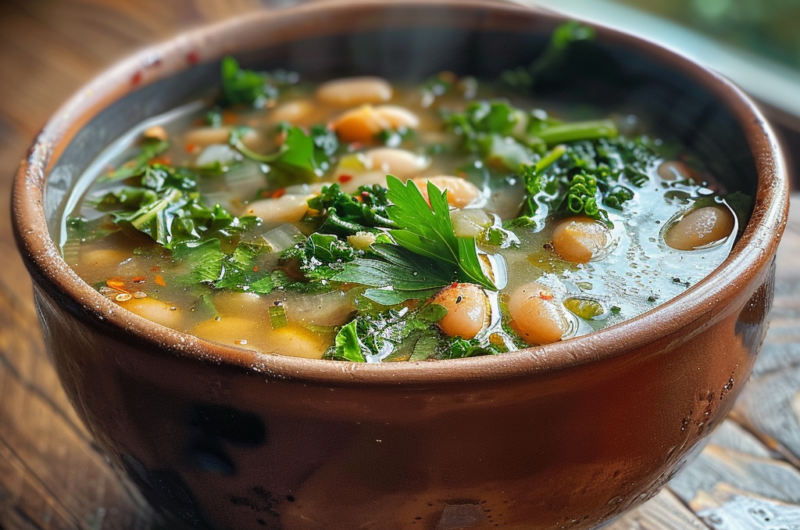
A rib-sticking, vegan classic that layers creamy beans and Tuscan kale over a deeply aromatic soffritto base.
📋 In This Article
- Introduction
- Why This Recipe Works
- The Secret to Authentic Flavor: Mediterranean Spices Explained
- Ingredients You’ll Need
- Step-by-Step Cooking Instructions
- Common Mistakes to Avoid
- Delicious Variations & Customizations
- Storage and Reheating Tips
- Expert Pro Tips for the Best Soup
- Frequently Asked Questions (FAQ)
Introduction
There is a specific kind of magic in a pot of Hearty Tuscan White Bean and Kale Soup with Mediterranean Spices. It’s the kind of meal that feels like a reset button—simple, nourishing, and deeply satisfying without weighing you down. I’ve spent years testing soup ratios, and this particular blend hits a sweet spot: the creaminess of the beans contrasts with the rugged texture of the kale, while a specific mix of Mediterranean spices provides a backbone of earthy, floral notes that you usually only get from hours of simmering.
But here’s the thing: most soup recipes treat the broth as an afterthought. They ask you to dump water or stock and vegetables into a pot and hope for the best. This approach works, sure, but it rarely delivers that “wow” factor. To get there, you need to understand layering. You need to build a foundation. Whether you are vegan, gluten-free, or just someone who craves a bowl of comfort that actually tastes like something, this recipe is built to deliver maximum flavor with minimal fuss.
Why This Recipe Works
Let’s be honest: white bean soup can often taste like… nothing. It’s a common tragedy. Without the heavy hand of a ham hock or bacon fat, vegetable-based soups run the risk of tasting flat. This recipe solves that problem through three specific mechanisms. First, we build a soffritto—the holy trinity of onion, carrot, and celery—cooked slowly until it’s sweet and fragrant. This provides the aromatic base.
Second, we manipulate texture. By blending just a portion of the beans, we create a velvety, creamy broth without adding a drop of dairy. It’s a classic restaurant trick that thickens the liquid while leaving plenty of whole beans for that hearty, rustic chew. Finally, the Mediterranean spices aren’t just sprinkled on top; they are bloomed in hot oil. This step is non-negotiable. It wakes up the dried herbs, turning a dusty powder into a vibrant, flavorful punch that carries through every spoonful.
The Secret to Authentic Flavor: Mediterranean Spices Explained
The difference between a bland bean soup and a memorable one often comes down to how the spices are treated. In this recipe, we use a robust blend centered around Herbs de Provence, smoked paprika, and oregano.
Here is the science behind it: Dried herbs are essentially dormant. Their flavor compounds are locked away inside delicate cell walls. When you toss them into a boiling pot of liquid, those compounds leach out slowly, but much of the volatile aromatic oils escape as steam. However, when you add these herbs to hot fat—like the olive oil in your sauté pan—something different happens. The heat dissolves the cell walls rapidly, and because the flavor compounds are fat-soluble, they dissolve directly into the oil. This process, often called “blooming,” creates a rich, infused base that coats every vegetable and bean in the pot. The smoked paprika adds a layer of complexity that mimics the depth usually provided by cured meats, giving the soup a savory, umami-rich quality that feels surprisingly meaty for a vegan dish.
Ingredients You’ll Need
- 3 cans (15 oz each) Cannellini Beans: Drained and rinsed. Rinsing removes the starchy, slightly metallic-tasting “aquafaba” found in cans, ensuring a cleaner broth.
- 4 cups Lacinato Kale: Stems removed and roughly chopped. Also known as dinosaur kale, this variety holds its texture better than curly kale.
- 5-6 cups Vegetable Broth: Use a high-quality brand or homemade. Since this is the main liquid, the flavor of the broth matters immensely.
- 1/4 cup Extra Virgin Olive Oil: Divided use. We need plenty of fat to sauté the vegetables and bloom the spices.
- 1 large Onion: Diced finely. We want this to melt into the base.
- 4 cloves Garlic: Minced. Added later than the onions to prevent burning and bitterness.
- 2 medium Carrots: Diced into small coins. Sweetness and color.
- 2 Celery Stalks: Diced. Essential for the savory aromatic base.
- 1 can (14.5 oz) Diced Tomatoes: With their juices. Adds acidity to cut through the starch of the beans.
- 2 Bay Leaves: Removed before serving. They add a subtle, tea-like herbal background note.
- 1 tablespoon Mediterranean Spice Blend: See below.
- 1/2 teaspoon Red Pepper Flakes: Adjust to taste.
- 1 teaspoon Sea Salt: Plus more to taste.
- 1/2 teaspoon Ground Black Pepper: Freshly cracked.
Mediterranean Spice Blend
(Mix these together before you start cooking)
- 1 tablespoon Dried Oregano
- 1 tablespoon Dried Basil
- 1 teaspoon Ground Cumin
- 1 teaspoon Smoked Paprika
- 1/2 teaspoon Garlic Powder
Optional Garnishes
- Grated Parmesan Cheese: For a savory, salty finish (omit for vegan).
- Crusty Bread: Essential for mopping up the thickened broth.
Step-by-Step Cooking Instructions
- Preparation: This goes faster if you prep first. Chop the onion, carrots, and celery into uniform pieces—aim for a 1/4-inch dice so they cook evenly and look nice in the final spoon. De-stem the kale and chop the leaves roughly. Rin and drain the cannellini beans thoroughly.
- Build the Base: In a large heavy-bottomed pot or Dutch oven, heat 3 tablespoons of olive oil over medium heat. Add the chopped onion, carrots, and celery. Add a pinch of salt. Cook for about 8–10 minutes, stirring occasionally. You want the vegetables to soften and the onions to turn translucent, but not brown deeply. This slow release of moisture concentrates the natural sugars.
- Bloom the Spices: Clear a small spot in the center of the pot. Add the remaining tablespoon of olive oil and the minced garlic. Cook for 30 seconds until fragrant, then immediately add your Mediterranean Spice Blend, red pepper flakes, and black pepper. Stir constantly for 1 minute. The spices should smell incredibly aromatic and toasty—this is the foundation of your flavor profile.
- Deglaze and Simmer: Pour in the diced tomatoes (with juice) and scrape the bottom of the pot with a wooden spoon to release any browned bits of spice or vegetable. This is where the fond lives—those sticky, caramelized residues that add immense depth. Add the vegetable broth, bay leaves, and cannellini beans. Increase heat to high to bring to a boil, then reduce to a low simmer.
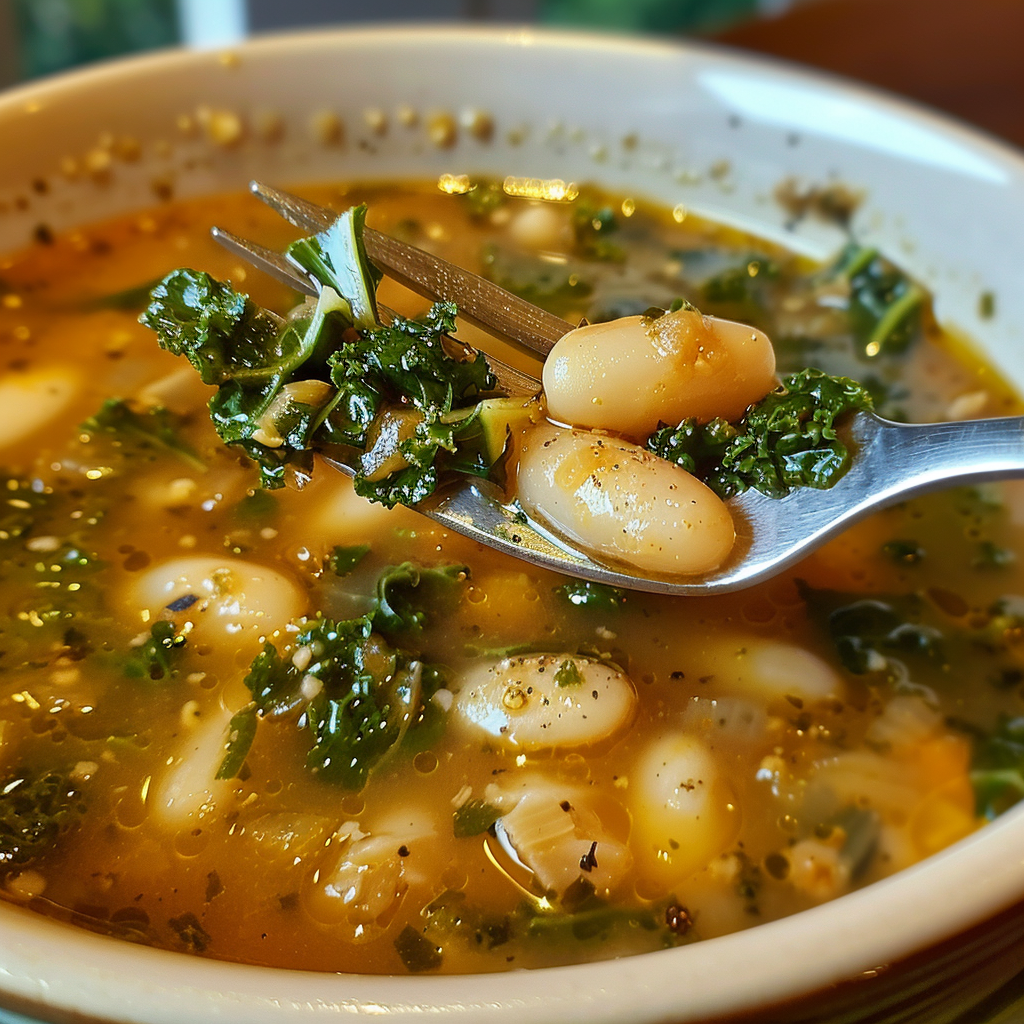
- Texture Development: Simmer the soup uncovered for 20 minutes. This allows the liquid to reduce slightly, concentrating the flavor. About halfway through, use a potato masher or the back of a wooden spoon to smash some of the beans against the side of the pot. Alternatively, transfer 1 cup of the soup to a blender, puree until smooth, and stir it back in. This thickens the broth naturally, creating a creamy consistency without dairy.
- Finish with Greens: Stir in the chopped kale. Simmer for another 5 minutes. You want the kale to be tender but still retain a bit of “chew.” Overcooking it at this stage will result in a drab, olive-colored mush, so keep an eye on the time.
- Season and Serve: Remove the bay leaves. Taste the soup. Does it need more salt? Probably. Add it now. Squeeze a bit of lemon juice over the top just before serving to brighten the flavors. Serve with a drizzle of good olive oil and crusty bread.
Cooking Tips for Beginners:
- Knife Skills: When dicing the carrots and celery, try to make them the same size as the beans. It makes the eating experience much more pleasant.
- Heat Control: If your garlic or spices start to smell acrid or burn, your heat is too high. Lower it immediately and add a splash of broth to stop the cooking.
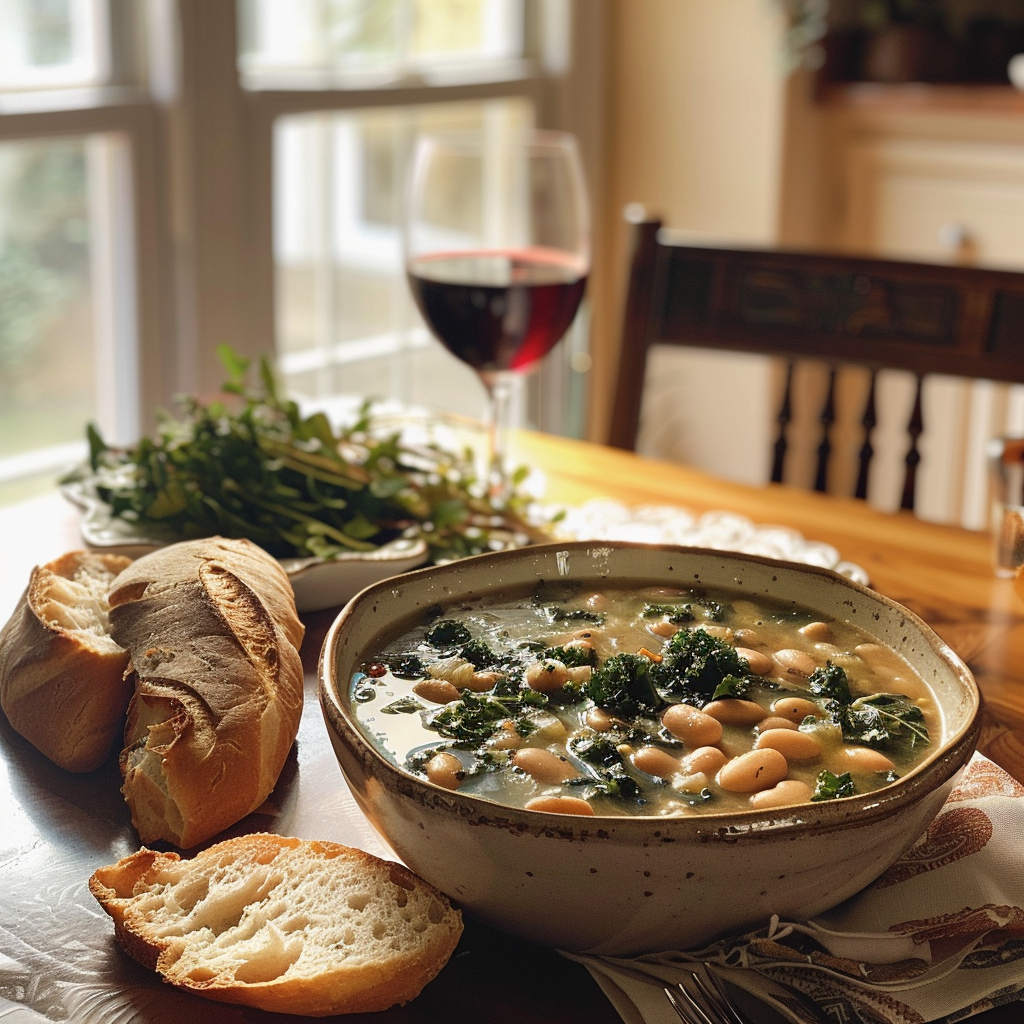
⚠️ Common Mistakes to Avoid
Even a simple soup like this can go wrong if you aren’t paying attention to the details.
Overcooking the Kale: This is the most frequent error. Kale is sturdy, but it isn’t invincible. If you boil it for 30 minutes, it loses its vibrant green color and becomes bitter and mushy. Add it in the final 5 minutes. That is all it needs.
Under-seasoning the Broth: Beans act like flavor sponges. They absorb salt aggressively. If you taste the broth and think “it’s okay,” it will likely taste bland once the beans have had their say. Be generous with salt, and remember that acid (lemon or tomatoes) is just as important as salt for popping the flavors.
Skipping the Rinse: Canned beans are stored in a thick, starchy liquid. While this liquid has uses (like aquafaba for meringues), it can make a soup gummy and cloudy. Always rinse your beans unless the recipe specifically calls for the canning liquid.
Delicious Variations & Customizations
This recipe is a template. Once you master the base, you can riff on it endlessly.
- Protein Boost: While this is a vegan powerhouse, meat-eaters can easily add shredded rotisserie chicken or browned Italian sausage. Add these at the simmering stage to let the flavors meld.
- The “Pasta e Fagioli” Twist: Add a cup of small pasta (like ditalini or shells) during the last 10 minutes of cooking. You may need to add an extra cup of broth, as the pasta drinks up a lot of liquid.
- Greens Swap: If you aren’t a fan of kale, Swiss chard is an excellent substitute. It cooks faster, so add it in the last 2–3 minutes. Spinach works too, but it wilts down to almost nothing, so use a massive amount.
- Spicy Kick: Double the red pepper flakes or add a diced jalapeño with the onions for a soup that clears your sinuses.
Storage and Reheating Tips
This soup is arguably better the next day, making it a meal-prep champion. Store it in an airtight container in the refrigerator for up to 5 days.
Freezing: It freezes beautifully for up to 3 months. However, if you plan to freeze it, I recommend slightly undercooking the kale. Reheating frozen soup can sometimes turn perfectly tender kale into mush, so leaving a bit of texture before freezing helps.
Reheating: The beans will have absorbed even more liquid, thickening the soup significantly. When reheating on the stovetop or in the microwave, add a splash of water or broth to loosen it back up. Stir well to distribute the heat evenly.
💡 Expert Pro Tips for the Best Soup
To take this from “good” to “I can’t believe this is vegan,” utilize these professional techniques.
The Parmesan Rind Trick: If you aren’t strictly vegan, toss a hard Parmesan cheese rind into the pot while the soup simmers. It dissolves slowly, imparting a profound savory depth and umami character that salt alone cannot achieve. Just remember to fish it out before serving!
Homemade Broth Matters: In a recipe with so few ingredients, the quality of the vegetable broth is paramount. Many store-bought brands taste like dirty water or are overly seasoned with celery seed. If you can, use a high-quality carton or, better yet, make your own from vegetable scraps.
Acidity Balance: Beans and greens are earthy and heavy. They crave acid. A squeeze of fresh lemon juice or a dash of red wine vinegar right before serving brightens the entire pot, lifting the flavors and cutting the richness of the olive oil. I used to skip this step—don’t. It changes everything.
Frequently Asked Questions (FAQ)
+Why is my white bean soup bland?
Most likely, you didn’t use enough salt or acid. Beans require a surprising amount of seasoning to shine. Additionally, ensure you are blooming your spices in oil at the beginning of the cooking process, as this extracts significantly more flavor than simply boiling them in broth.
+Can I use dried beans instead of canned?
Absolutely. You will need about 1 cup of dried beans to equal the 3 cans called for in this recipe. Soak them overnight, then simmer them until tender before adding them to the soup. This actually yields a creamier texture, but it requires an extra hour or two of cooking time.
+How do I know when the kale is done cooking?
The kale is ready when it has turned a deep, vibrant green and has wilted slightly, but still retains some structure. If it turns olive drab and falls apart, it has gone too far. Aim for tender but not lifeless.
+Can I make this in a slow cooker?
Yes. Sauté the onions, carrots, celery, garlic, and spices in a pan first (this step is crucial for flavor), then transfer everything except the kale to the slow cooker. Cook on low for 6–8 hours. Add the kale during the last 20 minutes of cooking.
+What sides go with Tuscan bean soup?
A hunk of crusty bread is the classic pairing for dipping. For a lighter meal, a simple arugula salad with a lemon vinaigrette complements the heartiness of the soup perfectly.
+Can I freeze this soup with the kale in it?
Yes, but the texture of the kale will soften further upon reheating. If you are freezing leftovers, it will still taste delicious, but the kale won’t have the same “chew” it did when fresh. For best results, you could add fresh kale when reheating the frozen soup.
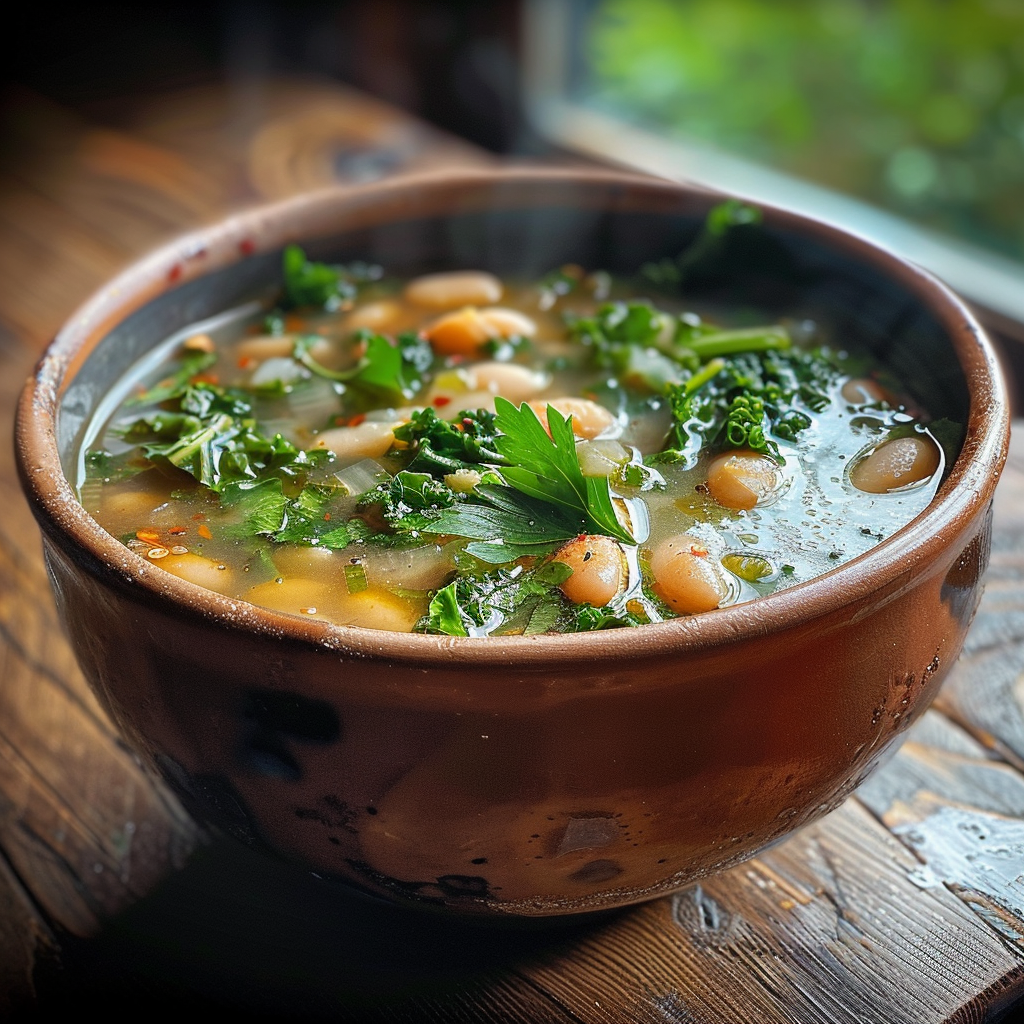
Hearty Tuscan White Bean Soup
Ingredients
Method
- To make this soup, start by heating the olive oil in a large soup pot or dutch oven, on the stove, over medium-low heat.
- Next, dice the onion, garlic, and shallots and add them to the hot oil. Stir and sauté them for 3-4 minutes, until the onion is translucent.
- Then, was and chop the carrots and celery and add them to the pot. Sauté for another 7-10 minutes - this is really important to ensure that the flavors build.
- Prepare the beans. Rinse and drain the cannellini beans, and add them to the pot along with the bay leaves, Italian seasoning, red pepper flakes, vegetable broth, salt, and pepper.
- Bring the soup mixture to a boil, then reduce the heat to low, cover, and simmer for another 15 minutes.
- Next, remove the cover to pull out and discard the bay leaves.
- Then, blend the soup. Transfer two cups of the soup to a high-speed blender and blend until it's thick and creamy.
- Once the soup is blended, return it to the pot and stir generously.
- Finally, add in the spinach and stir until it's wilted.
- Once the soup is done, transfer it into bowls. Garnish it with fresh chopped parsley, if desired, serve with crusty bread, and enjoy!
Notes
- For a deeper flavor, consider using homemade vegetable broth instead of store-bought; simply simmer vegetable scraps with water for a few hours to create a rich base.
- To prevent the soup from becoming too salty, add salt gradually and taste as you go; you can always adjust the seasoning after blending.
- If you prefer a thicker soup, reserve more of the blended soup and return it to the pot; this adds creaminess without overpowering the texture of the beans.
- Leftovers taste even better the next day, as the flavors continue to meld; store in an airtight container in the fridge for up to 4 days.
- This soup freezes beautifully, so make a double batch and store portions in freezer-safe containers for quick meals on busy nights.
📌 Pin this Recipe for Later!