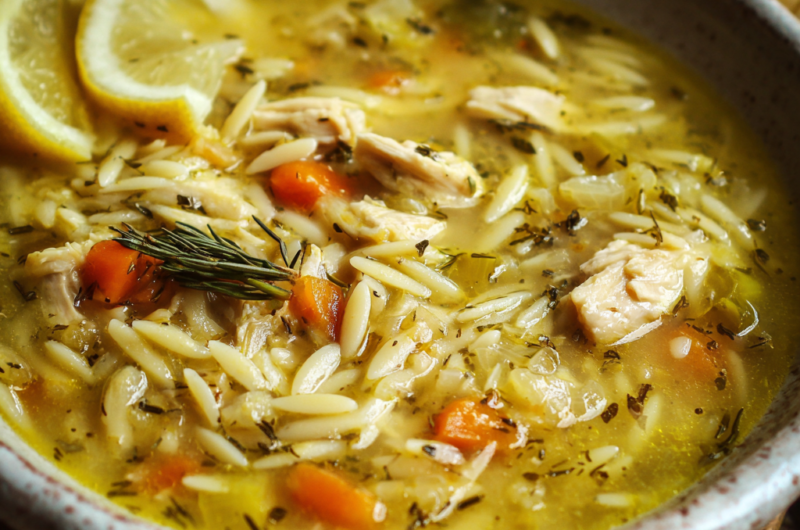
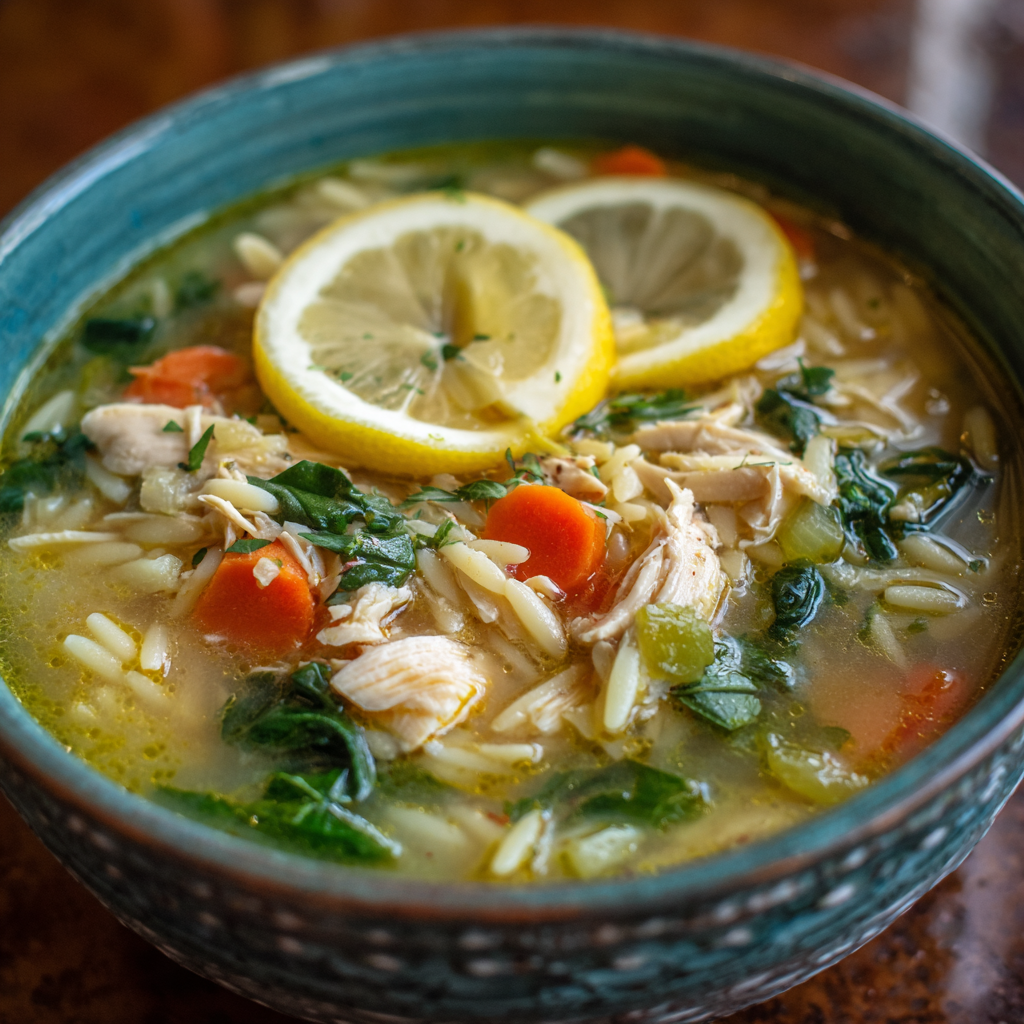
Bright, velvety, and deeply comforting—this soup delivers the soul of avgolemono without the fuss.
📋 In This Article
- Introduction
- Why This Recipe Works
- What Makes It Greek? The Soul of Mediterranean Flavors
- Essential Ingredients for Your Greek Lemon Chicken Orzo Soup
- Step-by-Step Instructions: How to Make Your Warm Greek Afternoon Soup
- Common Mistakes to Avoid for Perfect Lemon Chicken Orzo Soup
- Variations & Customizations: Make It Your Own
- Serving Suggestions: Completing Your Mediterranean Meal
- Storage & Freezing Tips: Enjoy Later
- Pro Tips for the Best Lemon Chicken Orzo Soup
- Frequently Asked Questions (FAQ)
Introduction
There’s a specific kind of magic in a bowl of Light Lemon Chicken Orzo Soup. One sip, and you’re instantly transported to a sun-drenched taverna in Greece. It’s bright, comforting, and surprisingly hearty without weighing you down. But this isn’t just “chicken soup with lemon.” It is a streamlined, weeknight-friendly ode to Avgolemono, the classic Greek egg-lemon soup known for its velvety texture.
Traditionally, making avgolemono requires tempering eggs to create a creamy emulsion without cream. While I love the traditional method, this recipe achieves a similar soul-warming effect using a clever combination of orzo starch and fresh citrus. The result is a broth that feels lush on the tongue but stays light enough for a warm Greek afternoon. It’s the kind of meal that bridges the gap between a healing tonic and a satisfying dinner, hitting that perfect note of acid, salt, and fat.
Why This Recipe Works
Most chicken soups rely on long simmer times to develop flavor. This one uses technique instead. By searing the chicken first, we trigger the Maillard reaction—browning that creates hundreds of new flavor compounds on the meat’s surface. Those browned bits, known as fond, dissolve into the broth later, adding a depth you just can’t get from boiling meat alone.
Then there’s the orzo. As it cooks, the pasta releases starch into the liquid. This starch gelatinizes, thickening the broth naturally and giving it a silky mouthfeel without a drop of heavy cream. Finally, the lemon. We add it at the very end. Why? Because heat kills the bright, volatile aromatic compounds in fresh citrus. Adding it off the heat preserves that “just-squeezed” zing that makes the flavors pop.
What Makes It Greek? The Soul of Mediterranean Flavors
This dish is rooted in the philosophy of the Mediterranean diet: simple ingredients treated with respect. The soul of this soup lies in the interplay between olive oil, lemon, and herbs.
In Greek cooking, fat isn’t just a cooking medium; it’s a flavor carrier. The olive oil here does double duty, providing a luscious texture and a peppery, grassy backbone that anchors the high notes of the lemon. We use dill and oregano not just as garnish, but as essential aromatic bridges. Dill offers a grassy freshness that pairs naturally with the citrus, while oregano adds an earthy, slightly bitter counterpoint that grounds the dish. It’s a symphony of flavors that tastes distinctly like a warm Greek afternoon.
Essential Ingredients for Your Greek Lemon Chicken Orzo Soup
To build a soup with this much depth, quality matters. Here is what you need:
- Chicken Breast: We use skinless breast for leanness, but cut it into bite-sized pieces for quick cooking. Tip: If you want more richness, boneless thighs work beautifully.
- Chicken Broth: Use a high-quality broth. Since the list is short, the liquid carries much of the weight. A low-sodium version lets you control the salt.
- Orzo Pasta: This rice-shaped pasta is essential. It creates that signature texture. See storage tips for why you might cook it separately.
- Fresh Lemon Juice: Bottled juice won’t cut it. You need the complex acidity of fresh lemons.
- Dill and Oregano: Fresh dill is non-negotiable for the finish. Dried oregano stands up to the simmering better than fresh.
- Aromatics (Onion, Carrot, Celery, Garlic): Your classic mirepoix, enhanced with garlic for a pungent kick that sweetens as it sautés.
- Olive Oil: Use extra Virgin for sautéing and a final drizzle for serving.
- Spinach or Kale: A modern addition for color and nutrients, wilting gently into the hot broth.
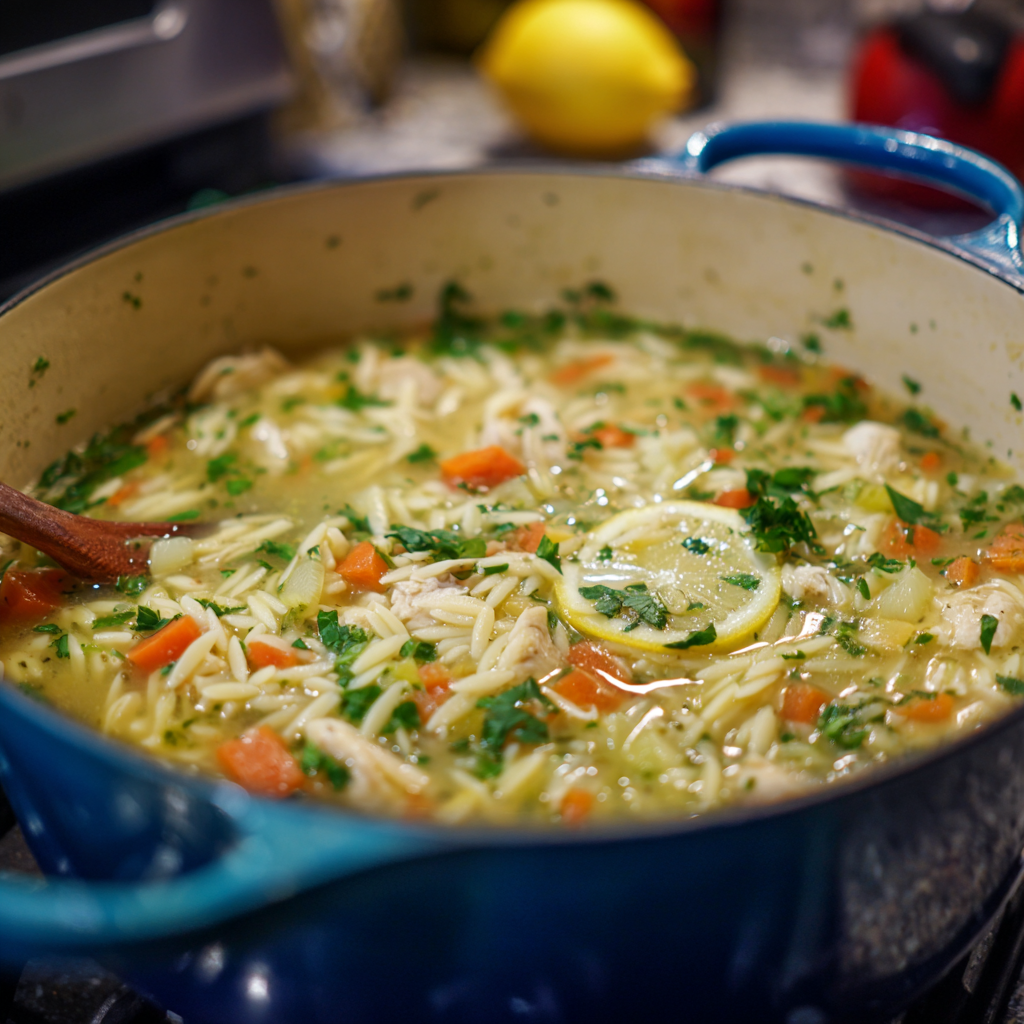
Step-by-Step Instructions: How to Make Your Warm Greek Afternoon Soup
Follow these steps to ensure you get that perfect balance of texture and flavor.
- Sear the Chicken: Heat 2 tablespoons of olive oil in a large pot over medium-high heat. Add 1 pound of diced chicken breast. Here’s the science: Don’t crowd the pot. If you do, the chicken steams and turns gray. You want a hard sear. Cook for 5-7 minutes until golden brown. The brown stuff stuck to the pan? That’s flavor. Don’t wipe it away.
- Sauté the Vegetables: Add the onions, carrots, and celery. Sauté for 5 minutes until softened. Add the garlic last—garlic burns fast and tastes bitter, so give it just 30 seconds until fragrant.
- Simmer the Broth: Pour in 6 cups of chicken broth. Use a wooden spoon to scrape up the fond from the bottom. Bring to a boil, then reduce to a simmer.
- Cook the Orzo: Add 1 cup of orzo. Cook for 8-10 minutes. Watch closely. Orzo goes from al dente to mush in seconds. You want it tender with a slight bite.
- Finish with Freshness: Turn off the heat. Stir in the spinach—it will wilt in the residual heat. Squeeze in the juice of 2 lemons. Critical step: Do this off the heat to keep the flavors bright and prevent the acid from turning bitter.
- The Avgolemono Twist (Optional): For a creamy finish, whisk 2 eggs with lemon juice in a bowl. Slowly ladle in hot soup while whisking constantly. This “tempering” raises the egg temperature slowly so it doesn’t scramble. Stir the mixture back into the pot for a silky, creamy texture.
⚠️ Common Mistakes to Avoid for Perfect Lemon Chicken Orzo Soup
Even a simple recipe can go wrong. Here is how to avoid the pitfalls.
- Overcooked Orzo: Orzo is a sponge. If you leave it in the hot broth, it will soak up every drop and turn into a paste. If you plan to eat it immediately, cook it in the broth. If you’re saving leftovers, cook the orzo separately.
- Adding Lemon Too Early: I made this mistake for years. Adding lemon juice and letting it boil creates a flat, metallic taste. Always add citrus at the very end.
- Dry Chicken: Because we cut the chicken small, it cooks fast. If you leave it in too long while searing, it will be dry by the time the soup is done. Pull it when it’s golden; it will finish cooking in the simmer.
- Bland Broth: Under-salted soup is a tragedy. Taste as you go. Salt enhances the lemon and herb flavors.
Variations & Customizations: Make It Your Own
This recipe is a blueprint. Here is how to adapt it.
- Protein Swaps: This is a perfect home for leftover turkey or rotisserie chicken. Just add the cooked meat at the end to warm through.
- Vegetarian Twist: Swap chicken broth for vegetable broth and use chickpeas instead of chicken. The chickpeas add a nutty creaminess that pairs well with lemon.
- Grain Alternatives: Not a fan of orzo? Rice works, but it takes longer to cook. Quinoa adds a nutty crunch but won’t release as much starch, so the broth will be thinner.
- Spice It Up: Add a pinch of red pepper flakes when sautéing the vegetables for a gentle heat that cuts through the acid.
Serving Suggestions: Completing Your Mediterranean Meal
This soup is a meal on its own, but the right sides elevate it.
- Crusty Bread: You need something to soak up that lemony broth. A warm baguette or pita is essential.
- Feta Finish: Crumble salty feta on top. The brine in the feta connects perfectly with the lemon and dill.
- Greek Salad: Serve a simple cucumber and tomato salad on the side for crunch.
- Wine Pairing: A crisp Assyrtiko or a dry Pinot Grigio mirrors the acidity in the soup.
Storage & Freezing Tips: Enjoy Later
To keep this soup tasting like a warm Greek afternoon (and not a mushy lunch), follow these rules.
- Fridge: Stores well for 3 days. The flavors actually improve as they meld.
- Freezer: Do not freeze with the orzo inside. The pasta will disintegrate upon reheating. Freeze the broth and chicken base separately. Cook fresh orzo when you reheat.
- Reheating: Gently warm on the stove. You may need to add a splash of water or broth to loosen it up, as the orzo swells.
💡 Pro Tips for the Best Lemon Chicken Orzo Soup
To take this from good to “I need this recipe,” focus on these details.
- Use the Zest: Before juicing your lemons, grate the zest into the pot. The zest contains the essential oils, which hold the pure lemon flavor without the sour acid.
- Homemade Broth: If you have time, homemade broth changes everything. It has natural gelatin from the bones, giving the soup a “body” that store-bought lacks.
- Resting: Let the soup sit for 5 minutes off the heat before serving. This allows the flavors to settle and the orzo to firm up slightly.
- Taste for Acid: If the soup tastes “flat,” it doesn’t need salt—it needs acid. Add another squeeze of lemon.
Frequently Asked Questions (FAQ)
+Can I use rice instead of orzo?
Yes, but the texture changes. Rice doesn’t release as much starch as orzo, so the broth will be thinner. Use long-grain white rice and adjust cooking time to about 15-20 minutes.
+Why does my soup taste bitter?
You likely boiled the lemon juice. Acid breaks down under high heat and can turn bitter. Always add lemon juice after removing the pot from the heat.
+Can I make this ahead of time?
Absolutely. In fact, it’s better the next day. Just undercook the orzo slightly so it doesn’t get mushy when you reheat it, or store the orzo separately.
+How do I know when the chicken is done?
For food safety, chicken should reach 165°F (74°C). If you don’t have a thermometer, cut into a piece; the meat should be opaque throughout with no pink, and the juices should run clear.
+Can I use rotisserie chicken?
Yes. Skip the searing step. Sauté the vegetables, add the broth, and simmer. Add the shredded rotisserie chicken in the last 5 minutes just to warm through. This saves about 10 minutes of prep time.