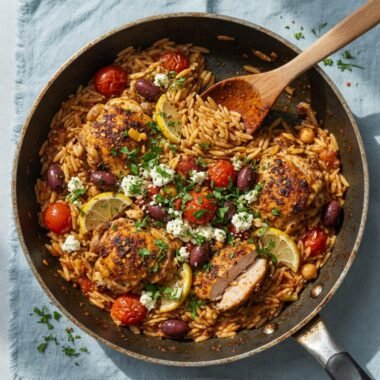
Golden seared chicken meets briny olives and creamy feta in this weeknight hero that cooks entirely in one skillet.
📋 In This Article
- Introduction
- Why This Recipe Works (and Why You’ll Love It)
- Key Ingredients for Authentic Mediterranean Flavor
- Step-by-Step Cooking Instructions
- Common Mistakes to Avoid for a Perfect Skillet
- Delicious Variations & Dietary Adaptations
- Serving Suggestions & Perfect Pairings
- Storage & Reheating Tips
- Expert Tips for Success
- Frequently Asked Questions (FAQ)
Introduction
Most “one-pan” recipes promise convenience but deliver mushy, bland results. This One-Pan Mediterranean Chicken & Orzo Skillet is different because it treats the skillet like a miniature braiser, building layers of flavor from the bottom up. We start by searing the chicken to create a fond—those sticky, caramelized bits on the pan—that becomes the base for the orzo. As the pasta simmers, it absorbs that savory richness, plumping up in the chicken drippings rather than plain water.
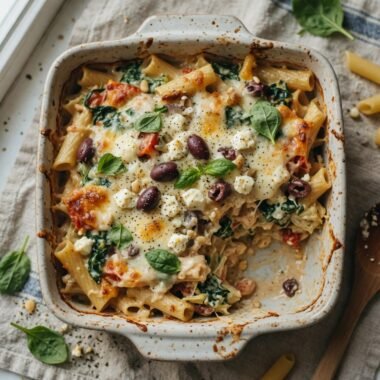
It’s a technique borrowed from risotto but without the constant stirring. You get the briny punch of kalamata olives, the tang of feta, and the sweetness of sundried tomatoes in every bite. It’s fast, yes, but more importantly, it tastes like actual food, not a convenience hack. Creamy Mediterranean Orzo with Sun-Dried Tomatoes & Feta.
Why This Recipe Works (and Why You’ll Love It)
The genius of this dish lies in the starch. When you toast orzo in the same pan used for the chicken breast, you’re essentially creating a roux-like base. The pasta gets coated in the rendered fat and aromatics, which prevents it from clumping and helps it cook evenly.
Then comes the liquid. By using a combination of chicken broth and water, we ensure the flavor is concentrated enough to season the pasta but not so salty that it becomes overwhelming as the liquid reduces. The “holy trinity” of Mediterranean add-ins—sundried tomatoes, kalamata olives, and feta cheese—doesn’t just sit on top. The tomatoes and olives are added during the simmer so their flavors bloom into the sauce, while the feta is folded in at the end for creamy, tangy pockets throughout. It’s a balanced meal—protein, carbs, and vegetables—in under 30 minutes.
Key Ingredients for Authentic Mediterranean Flavor
The Protein
- Chicken Breast: We slice it thin to ensure it cooks through quickly without drying out. If you prefer dark meat, chicken thighs work beautifully, though they may need an extra minute of searing time.
The Base
- Orzo Pasta: This rice-shaped pasta acts like a sponge. We prefer standard semolina orzo, but whole wheat works too (just add an extra ¼ cup of liquid).
- Extra Virgin Olive Oil (EVOO): Use a decent quality oil here. Since it’s the cooking fat and a finishing note, flavor matters.
The Flavor Builders
- Sundried Tomatoes: Oil-packed tomatoes are essential. They bring an umami-rich sweetness that fresh tomatoes lack, especially out of season.
- Kalamata Olives: Their brine adds a necessary saltiness. Pitted is easier; give them a rough chop so the flavor disperses.
- Garlic & Onion: The aromatic foundation. We use a generous amount of garlic because it mellows into sweetness during the simmer.
- Chicken Broth: Low-sodium is a must. You control the seasoning; the broth provides the backbone.
- Spinach: Fresh spinach wilts into the hot pasta at the very end, adding color and texture without making the dish heavy.
The Finishers
- Feta Cheese: We fold this in off-heat so it holds its shape rather than melting into a salty puddle.
- Lemon: A hit of fresh lemon juice and zest right before serving cuts through the richness and wakes up the palate.
Step-by-Step Cooking Instructions
- Searing the Chicken: Heat 2 tablespoons of olive oil in a large, deep skillet (12-inch is ideal) over medium-high heat. Season 1 pound of thinly sliced chicken breasts generously with salt and pepper. Once the oil shimmers—this is crucial, or the meat sticks—add the chicken in a single layer. Don’t crowd the pan; do it in batches if needed. Sear for 4-5 minutes per side until deeply golden brown. Remove the chicken and set it aside on a plate.
- Science Note: We aren’t “sealing in juices.” We are triggering the Maillard reaction, creating hundreds of new flavor compounds on the meat’s surface. Those brown bits left behind? That’s the fond, and it’s liquid gold.
- Sautéing Aromatics: Reduce the heat to medium. Add 1 diced onion to the skillet. Sauté for 2 minutes, scraping the bottom of the pan with a wooden spoon to release the fond into the onions. Add 3 minced garlic cloves and cook for another 30 seconds until fragrant.
- Watch the Garlic: Garlic burns fast. Adding it after the onion has softened prevents bitterness.
- Toasting the Orzo: Add 1 cup of orzo to the pan. Stir constantly for about 1 minute. The pasta should smell slightly nutty and look opaque. This toasting step adds a layer of complexity you don’t get from boiling pasta in water.
- Deglazing and Simmering: Pour in 2 cups of chicken broth and 1 cup of water. Stir well, scraping up any final bits of fond. Bring the mixture to a boil, then reduce heat to low. Cover the skillet tightly with a lid. Simmer for 10-12 minutes, stirring once or twice to prevent sticking, until the orzo is tender and most of the liquid is absorbed.
- Finishing the Dish: Remove the lid. The orzo should be creamy but not soupy. If it looks too wet, cook uncovered for another minute. Stir in ½ cup of sundried tomatoes, ½ cup of chopped kalamata olives, and 2 handfuls of fresh spinach. The residual heat will wilt the spinach instantly. Return the chicken (and any juices on the plate) to the skillet. Fold in ½ cup of crumbled feta cheese. Remove from heat immediately.
- Serve and Enjoy: Squeeze the juice of half a lemon over the skillet and garnish with fresh parsley or dill. Serve directly from the pan.
⚠️ Common Mistakes to Avoid for a Perfect Skillet
Even simple recipes have pitfalls. Here is how to dodge them: Creamy Mediterranean Sun-Dried Tomato & Spinach Orzo Pasta With Feta For A Quick Weeknight Dinner.
- Overcrowding the Pan: If you cram all the chicken in at once, the temperature drops, and the meat steams instead of sears. You end up with grey, rubbery chicken. Work in batches for that golden crust.
- Burning the Garlic: Garlic has a lower burning point than onions. If you add them together, your garlic will be bitter by the time the onions soften. Patience is key—onions first, garlic last.
- Using High-Sodium Broth: The feta and olives are salty powerhouses. If you use regular broth, the final dish will be inedible. Always opt for low-sodium broth so you can control the finish.
- Skipping the Rest: It’s tempting to dig in immediately. But letting the skillet sit off-heat for 2 minutes allows the sauce to thicken and the flavors to marry.
Delicious Variations & Dietary Adaptations
This recipe is a blueprint, not a rulebook.
- The “Fancy” Swap: For a richer texture, swap the chicken breast for chicken thighs. They render more fat, which means more flavor for the orzo.
- Vegetarian Adaptation: Ditch the chicken and use chickpeas (rinsed and drained) instead. Sauté them with the onions to get a little crunch on the skins. Use vegetable broth instead of chicken broth.
- Gluten-Free: Gluten-free orzo (usually made from corn or rice) works perfectly here. It tends to be thirstier, so keep an extra ½ cup of water handy in case the pan dries out.
- Spicy Kick: Add a pinch of red pepper flakes with the garlic if you want to cut through the creaminess with some heat.
Serving Suggestions & Perfect Pairings
This is a complete meal in a pan, but it plays well with others. A simple side salad of arugula with a lemon vinaigrette provides a peppery contrast to the rich pasta. If you’re feeding a crowd, warm, crusty bread is essential for mopping up the creamy sauce.
As for wine, a crisp Pinot Grigio or a dry Rosé matches the acidity of the tomatoes and lemon. If you prefer red, a light Chianti won’t overpower the feta.
Storage & Reheating Tips
Orzo continues to absorb liquid as it sits, so leftovers will be thicker than the fresh dish. Mediterranean Lemon Garlic Shrimp Quinoa Bowl (One-Pan Recipe).
- Fridge: Store in an airtight container for up to 3 days.
- Freezer: You can freeze it, but the texture changes. The orzo softens considerably upon reheating. If you freeze it, do so in a flat layer for faster thawing.
- Reheating: The microwave is fine, but the stovetop is better. Add a splash of water or broth to the pan to loosen the sauce, then heat gently over medium-low. The first time I reheated this without adding liquid, I basically had a solid block of pasta—don’t make my mistake. Hydration is everything.
💡 Expert Tips for Success
- Don’t Overcook the Orzo: Orzo can go from al dente to mush in seconds. Start checking at the 8-minute mark. It should have a slight bite, as carryover cooking will finish the job.
- The Pan Matters: Use a stainless steel or enamel cast-iron skillet. Non-stick pans are fine, but they don’t develop fond—the caramelized bits that make the sauce taste like it simmered all day.
- Taste as You Go: Because the salt levels in feta and olives vary, always taste the pasta before adding the final salt seasoning. You might not need any extra.
- Mise en Place: Have everything chopped and measured before you turn on the stove. This recipe moves fast, and you don’t want to be hunting for the paprika while the garlic burns.
Frequently Asked Questions (FAQ)
+Can I use chicken thighs instead of breast?
Absolutely. Boneless, skinless chicken thighs are actually more forgiving than breasts. They stay juicy even if you accidentally overcook them slightly. Just make sure to render the fat properly during the searing stage.
+Why is my orzo mushy?
You likely added too much liquid or cooked it too long. Orzo releases a lot of starch, which creates a creamy sauce, but if there’s excess water, it turns to glue. Stick to the 2:1 broth-to-pasta ratio and check it early.
+Can I make this in advance?
You can prep the ingredients (chopping, measuring) a day ahead, but don’t cook it until you’re ready to eat. The orzo absorbs sauce rapidly, so leftovers are delicious but much denser than the fresh version.
+What can I substitute for orzo?
If you don’t have orzo, small pasta shapes like acini di pepe or ditalini work. You could also use Arborio rice for a true risotto style dish, though you’ll need to stir it more frequently and add a bit more liquid.
+How do I know when the chicken is done?
The safest way is an instant-read thermometer. You’re looking for 165°F (74°C) in the thickest part. If you don’t have a thermometer, slice into the thickest piece; the juices should run clear and the meat should be opaque throughout.
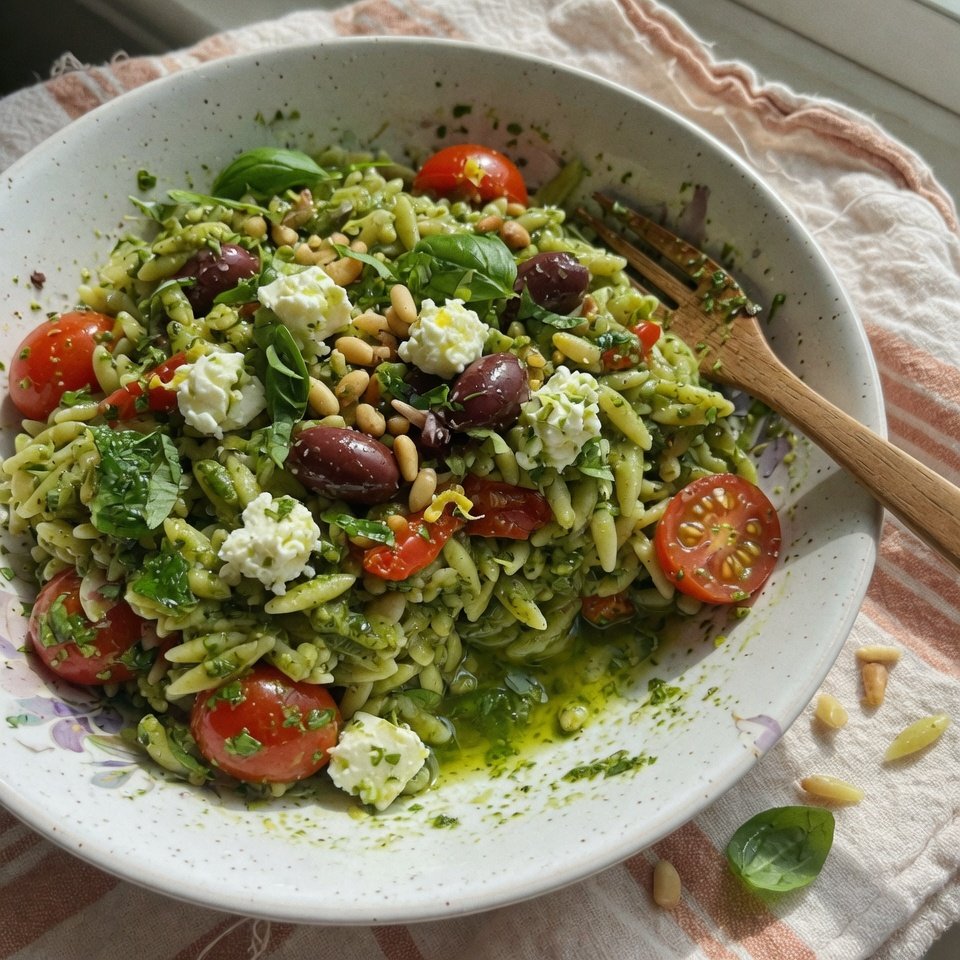
Mediterranean Chicken and Orzo Skillet
Ingredients
Method
- Cut chicken breasts into ¼ inch-thick slices. Toss with salt, pepper, garlic, and oregano, and allow to sit while you prep the other ingredients.
- Heat 1 tablespoon of olive oil in an 8- or 10-inch skillet over medium high heat, tilting the skillet to coat the bottom of the pan.Add chicken in a single layer, working batches if necessary.
- Allow the pieces to get nice and brown on the first side (2-3 minutes). Turn them over, and cook for 30 more seconds until no longer pink on the second side. Remove them to a clean bowl or plate. They may not be cooked all the way through, but they will finish cooking with the orzo.
- Reduce the heat to medium, and add the remaining 2 tablespoons of EVOO.
- Add the onion and saute until translucent. Add the garlic and cook for 1 more minute.
- Stir in the orzo to coat with the aromatics, then add 1/2 teaspoon kosher salt, water, and lemon juice. Bring to a simmer and cook for 3-4 minutes, or until the liquid begins to absorb into the pasta.
- Mix in the cooked chicken with any juices, the sundried tomatoes, and the kalamata olives. Bring back to a simmer, then turn to medium low. Cover and cook for 10-12 minutes, until the orzo is tender and most of the liquid has been absorbed.
- Remove the lid and top with fresh black pepper, feta cheese, chopped parsley, and dill. Enjoy!
Notes
- For perfectly tender chicken, slice the breasts into ¼ inch-thick pieces; this will help them cook quickly and evenly without drying out.
- Keep an eye on the chicken while browning; it's done when it's golden brown on one side and just cooked through, as it will finish cooking with the orzo.
- If you're short on time, you can use leftover rotisserie chicken; simply stir it in when you add the sundried tomatoes and olives to save time.
- If you don't have orzo on hand, feel free to substitute with small pasta shapes like pastina or ditalini, adjusting the cooking time as needed.
- This dish can be stored in the fridge for up to three days; for reheating, gently warm it on the stovetop with a splash of water to prevent it from drying out.