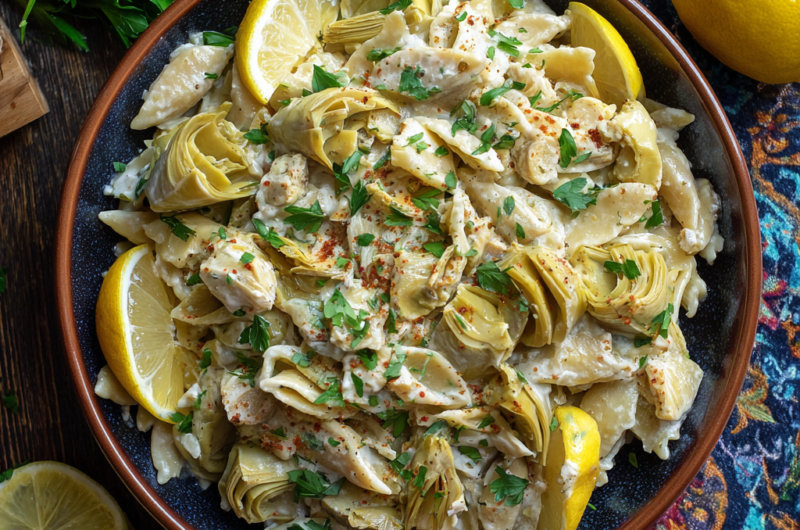
A bright, velvety pasta dinner ready in 20 minutes, featuring tender artichokes and a no-heavy-cream sauce.
📋 In This Article
- Introduction
- Why This Recipe Works: The Secret to Its Irresistible Charm
- Gather Your Ingredients: What You’ll Need for Lemon Artichoke Bliss
- Step-by-Step Instructions: Crafting Your Perfect Mediterranean Pasta
- Common Mistakes to Avoid for a Flawless Pasta Dish
- Creative Variations & Dietary Adaptations
- Storage & Reheating Tips: Enjoying Leftovers
- Pro Tips for Success
- Frequently Asked Questions (FAQ)
Introduction
Creamy Lemon Mediterranean Pasta With Artichokes solves the weeknight dinner dilemma: it’s fast, fresh, and satisfies that craving for something rich without weighing you down. We’re bypassing heavy cream here. Instead, we build a velvety sauce using vegetable broth, a splash of creamy alternative (like Greek yogurt or cashew cream), and the magic of starchy pasta water. The result is a light, fresh dish where the sharpness of lemon cuts through the savory depth of artichokes. It’s simple, but it relies on a few specific techniques to get the texture right.
Why This Recipe Works: The Secret to Its Irresistible Charm
This dish works because it balances fat, acid, and salt perfectly. The lemon zest provides aromatic oils that hit the nose before you even take a bite, while the juice adds the acidity needed to brighten the earthy artichoke hearts. We use vegetable broth and a creamy element to create a lighter sauce that still clings to the pasta.
The real secret, however, is the pasta water. It’s loaded with starch released from the pasta, which helps emulsify the sauce ingredients, creating a creamy texture without the need for heavy dairy. When you toss the pasta in this mixture, the sauce thickens rapidly, coating every strand or curve.
Gather Your Ingredients: What You’ll Need for Lemon Artichoke Bliss
- Pasta of Your Choice: 112 grams (4 ounces) of spaghetti, fettuccine, or penne. Long pasta captures the silky sauce elegantly, while short pasta offers more texture in every bite.
- Artichoke Hearts: 1 can (approximately 14 ounces), drained and rinsed. Rinsing removes the briny canning liquid, ensuring the artichokes taste clean and fresh.
- Lemon: 1 large lemon. You’ll need both the zest and the juice.
- Garlic: 3-4 cloves, minced. Fresh is non-negotiable here for the best punch.
- Olive Oil: 2 tablespoons of extra virgin olive oil, divided.
- Vegetable Broth: 1 cup. This forms the base of our light sauce.
- Parmesan Cheese: 1/2 cup, freshly grated. The nutty, salty notes are essential for the umami profile.
- Fresh Herbs: A handful of fresh parsley or dill, chopped.
- Creaminess Alternative: 1/2 cup of cashew cream, Greek yogurt, or a light plant-based milk. This replaces heavy cream for a lighter finish.
- Spinach (Optional): 4 cups fresh spinach. Wilts quickly for added nutrients.
- Sun-Dried Tomatoes (Optional): A small handful, chopped, for a tangy, chewy contrast.
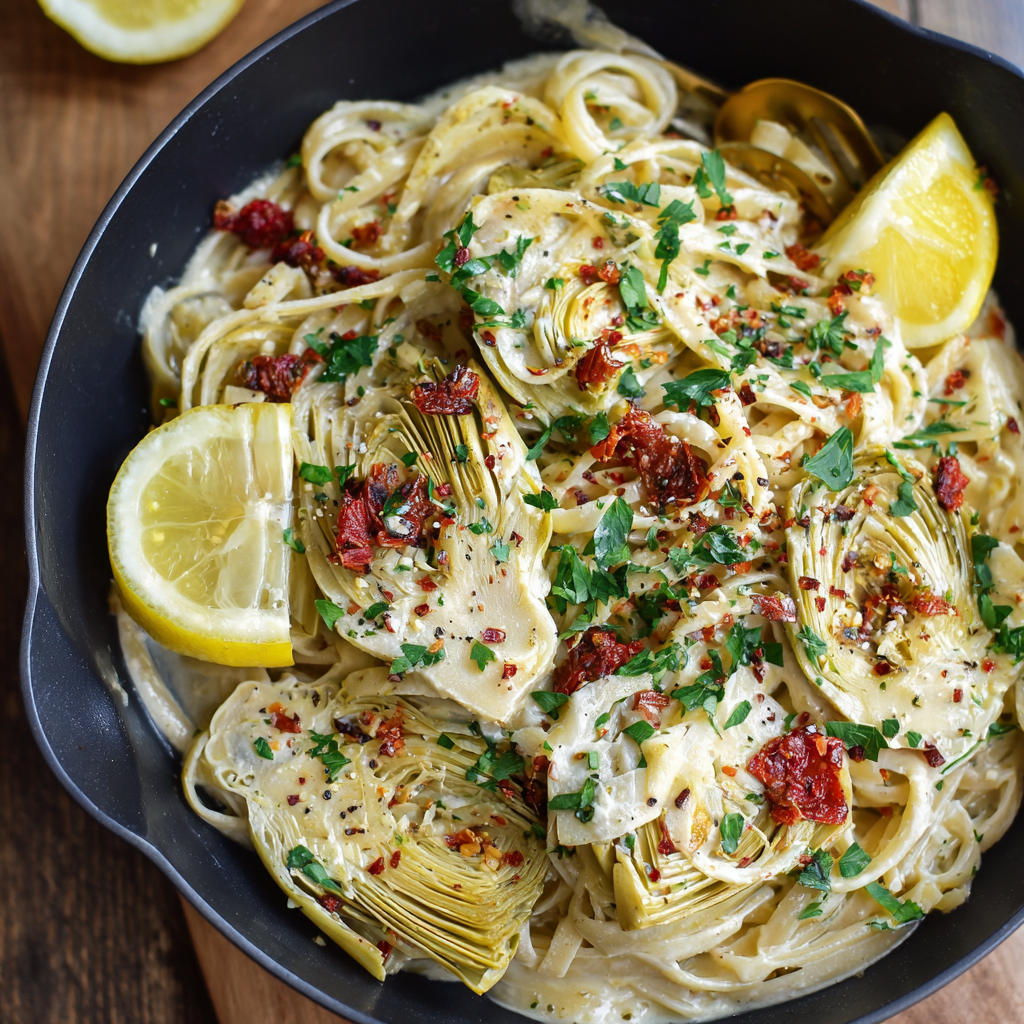
Step-by-Step Instructions: Crafting Your Perfect Mediterranean Pasta
- Cook the Pasta: Bring a large pot of salted water to a boil. Add the pasta and cook until al dente (usually 1-2 minutes less than package directions). Before draining, reserve at least 1 cup of that starchy pasta water—this is liquid gold for thickening the sauce. Drain the pasta.
- Sauté the Artichokes: While the pasta cooks, heat 1 tablespoon of olive oil in a large skillet over medium heat. Add the drained artichokes. Sauté them for about 5 minutes until they develop a golden-brown crust on the edges. Why do this? Browning triggers the Maillard reaction, deepening their flavor from merely “briny” to savory and complex.
- Sauté the Aromatics: Add the remaining olive oil and the minced garlic to the skillet. Sauté for 1 minute until fragrant. Don’t let it brown too much or it turns bitter.
- Build the Sauce: Pour in the vegetable broth and the juice and zest of the lemon. Scrape up any browned bits stuck to the pan (the fond)—that’s pure flavor. Let it simmer for 3-4 minutes to reduce slightly. Lower the heat and stir in your creamy element (Greek yogurt or cashew cream). Crucial step: If using yogurt, pull the pan off the heat briefly or keep the heat very low to prevent separation. You want a smooth emulsion, not a curdled mess.
- Combine and Emulsify: Add the cooked pasta directly to the skillet. Toss vigorously. If the sauce looks too tight or sticky, pour in the reserved pasta water a splash at a time, tossing constantly. The starch in the water binds with the oil and broth, creating a glossy, velvety coating. I used to skip this step and wonder why my sauce was oily—don’t make that mistake.
- Finish and Serve: Stir in the Parmesan cheese and optional spinach (the residual heat will wilt it instantly). Taste. Does it need more salt? Probably. The artichokes and cheese are salty, but the pasta and broth dilute it. Adjust seasoning. Serve immediately, garnished with fresh herbs.
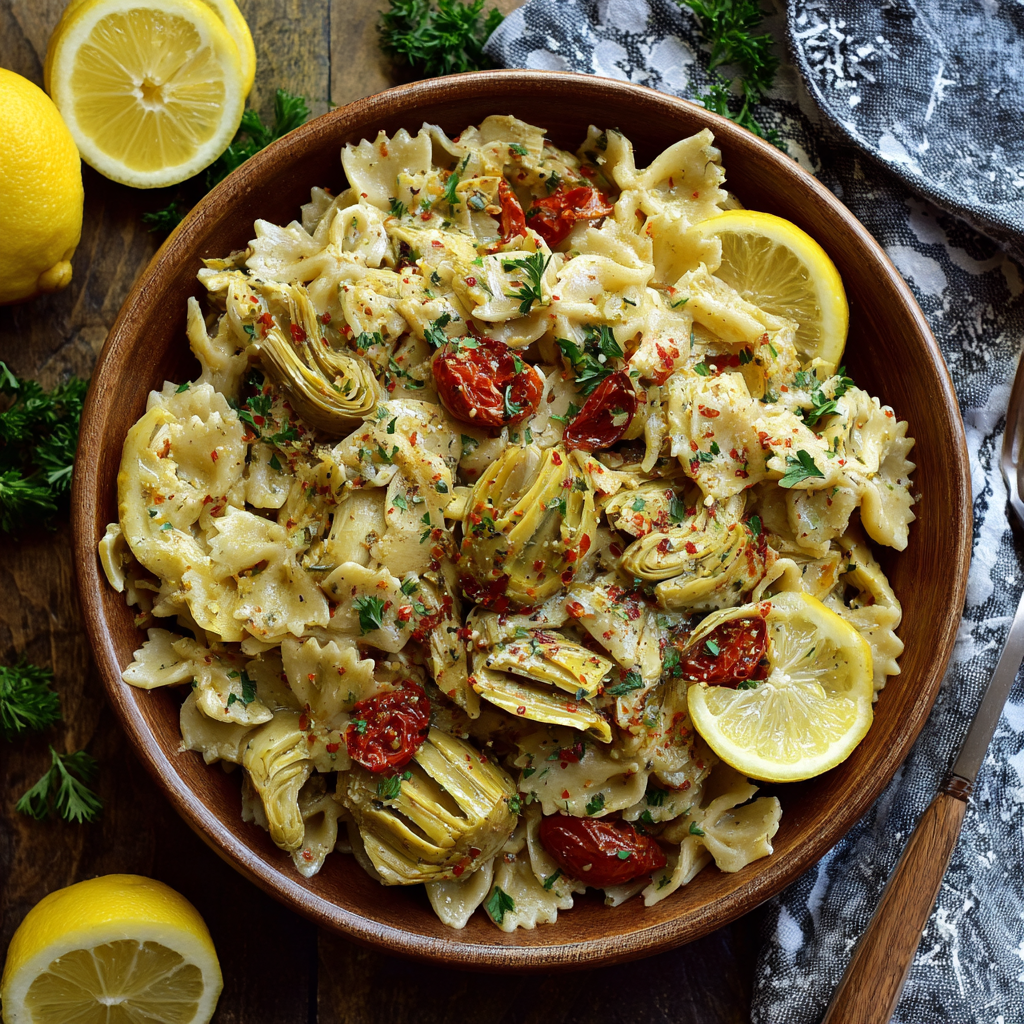
⚠️ Common Mistakes to Avoid for a Flawless Pasta Dish
Even simple recipes have pitfalls. Here’s how to avoid them:
- Overcooking the Pasta: Since the pasta finishes cooking in the sauce, it must be al dente when it leaves the pot. If it’s fully cooked in the water, it will turn mushy in the skillet.
- Skipping the Pasta Water: If you skip reserving the pasta water, you lose your ability to adjust the sauce consistency. The starch is the glue that holds the sauce together.
- Curdling the Sauce: High heat and acid (lemon) can make dairy-based sauces separate. Keep the heat gentle when adding your creamy element.
- Under-seasoning: Lemon juice is potent, but it needs salt to pop. Taste at the very end. If it feels “flat,” it likely needs a pinch more salt or a final squeeze of lemon.
Creative Variations & Dietary Adaptations
This recipe is a blueprint. Feel free to riff on it.
- Protein Boost: Toss in grilled chicken or sautéed shrimp during the last step for a heartier meal. Chickpeas are a great plant-based protein addition.
- Gluten-Free: Use your favorite gluten-free pasta. Note that gluten-free pasta releases less starch, so your sauce might be thinner—save extra pasta water.
- Vegan: Swap the Parmesan for nutritional yeast and use cashew cream instead of yogurt. The nutty flavor mimics cheese surprisingly well.
- Spicy Kick: Add red pepper flakes with the garlic for a background heat that cuts through the creaminess.
Storage & Reheating Tips: Enjoying Leftovers
Creamy Lemon Mediterranean Pasta With Artichokes keeps well, but the texture changes slightly. Store leftovers in an airtight container in the refrigerator for 3 to 5 days.
Freezing is generally not recommended for creamy pasta sauces; they tend to separate upon thawing, resulting in a grainy texture.
To reheat, skip the microwave if you can. Warm it gently in a skillet over low heat. Add a splash of water or broth to “loosen” the sauce back up, as pasta absorbs moisture as it sits. Stir constantly until just heated through.
💡 Pro Tips for Success
- Reserve More Water Than You Think: You might not need a full cup, but it’s better to have it and not need it. The starch in pasta water is the difference between a sauce that slides off the pasta and one that clings.
- Zest First, Juice Second: It’s much harder to zest a lemon that you’ve already squeezed dry. Get the zest off before you cut the fruit.
- Dry Your Artichokes: If using canned artichokes, pat them dry with a paper towel before sautéing. Excess moisture prevents browning.
- Don’t Dump the Cheese: Add the Parmesan off the heat or at very low heat. High heat can cause cheese proteins to tighten and separate, making the sauce oily rather than creamy.
Frequently Asked Questions (FAQ)
+Can I use frozen artichokes instead of canned?
Yes, frozen artichoke hearts work well and often have a fresher flavor than canned. Thaw them completely and pat them dry before sautéing to ensure they brown properly.
+Why is my lemon sauce bitter?
If the sauce tastes bitter, you may have overcooked the garlic or included too much of the lemon’s white pith in the zest. Use a microplane to zest only the yellow outer layer, avoiding the white bitter pith.
+How do I know when the pasta is perfectly al dente?
Taste a piece of pasta about 2 minutes before the package instructions say it’s done. It should be tender but still have a firm bite in the center. It will continue to soften in the sauce.
+Can I make this pasta ahead of time?
You can prep the ingredients (chop garlic, zest lemon, measure liquids) ahead, but cook the pasta fresh. Pasta absorbs sauce as it sits, so leftovers are best eaten within a day or two.
+What can I substitute for Parmesan cheese?
Nutritional yeast is the best vegan substitute, offering a similar savory, cheesy flavor. Pecorino Romano is a good alternative if you want a sharper, saltier sheep’s milk cheese.
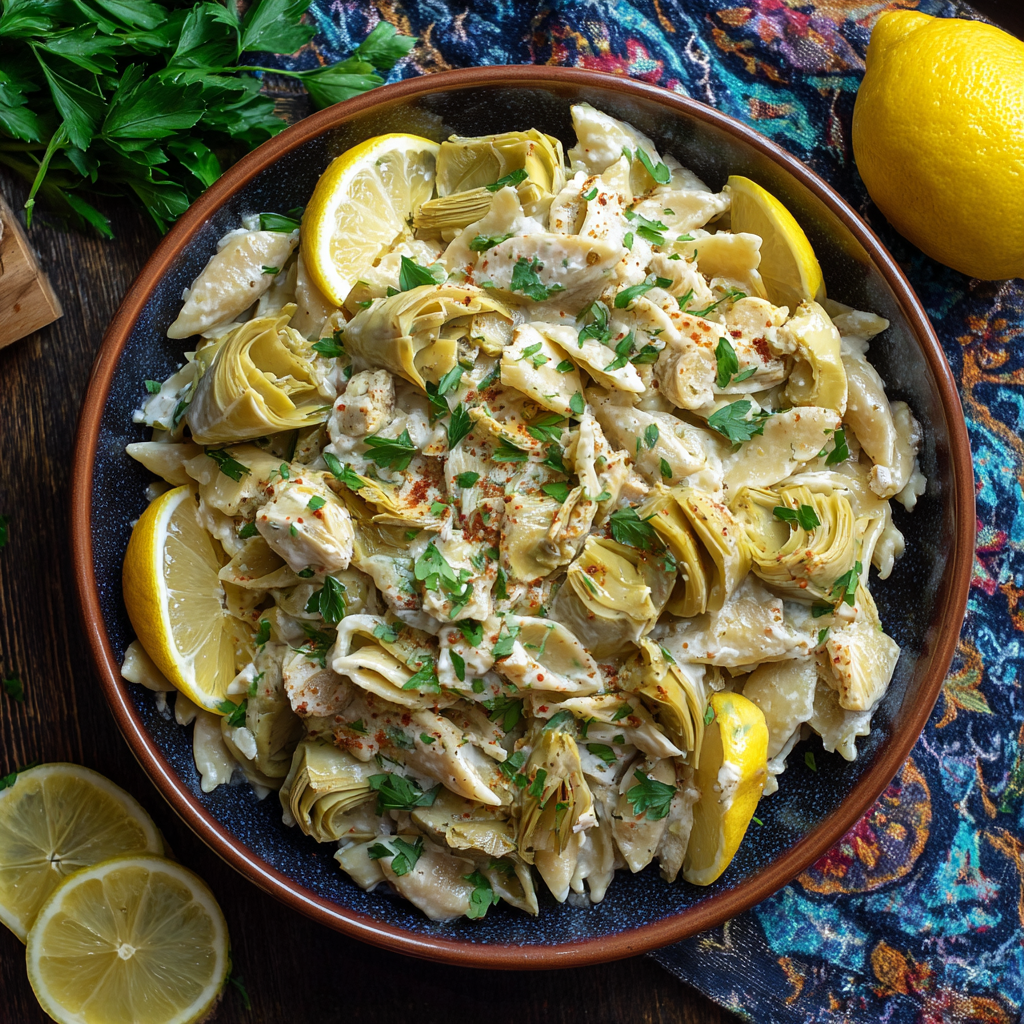
Healthy Lemon Artichoke & Spinach Pasta
Ingredients
Method
- PREP: mince garlic, chop artichoke hearts in halves or quarters, chop parsley, grate parmesan cheese, zest and juice lemon. Set all ingredients aside.
- Bring a large pot of salted water to a boil. Cook pasta according to package directions. Reserve 1/2 a cup of pasta water and set aside.
- IF USING HAZELNUTS: heat a small pan over medium. Add raw hazelnuts and toast for 5-8 minutes, or until lightly browned and fragrant. Be sure to stir regularly and to keep an eye on them to prevent burning. Remove from heat and set aside.
- Heat a larger, separate pan over medium. Add 1 Tbsp olive oil and minced garlic. Sauté for about 2 minutes, until lightly browned. Add in spinach and artichoke hearts and cook until wilted.
- Add drained and cooked pasta to the larger pan. Stir in lemon zest, lemon juice, chopped parsley, parmesan, remaining Tbsp olive oil, and reserved pasta water. Season with salt and pepper. Cook together for about 2 minutes, stirring until heated through.
- At this point the hazelnuts should be cooled. Gently rub off their skins (it's ok if some remain!) and roughly chop into smaller pieces.
- Serve pasta and top with chopped hazelnuts. Feel free to add additional parmesan, fresh pepper, or an extra drizzle of olive oil. Enjoy warm!
Notes
- To ensure your pasta is perfectly al dente, taste it a minute or two before the package instructions indicate; it should be tender but still have a slight bite.
- To prevent your garlic from burning, sauté it over medium heat and keep a close eye on it, stirring frequently until it turns golden brown and fragrant.
- If you prefer a nut-free version, simply omit the hazelnuts and consider adding a sprinkle of toasted pumpkin seeds for a similar crunch.
- For easy storage, refrigerate leftovers in an airtight container for up to 3 days; reheat gently in a pan over medium heat with a splash of water to loosen the sauce.
- Feel free to swap out the parmesan for a dairy-free cheese alternative or nutritional yeast for a vegan-friendly option without sacrificing flavor.